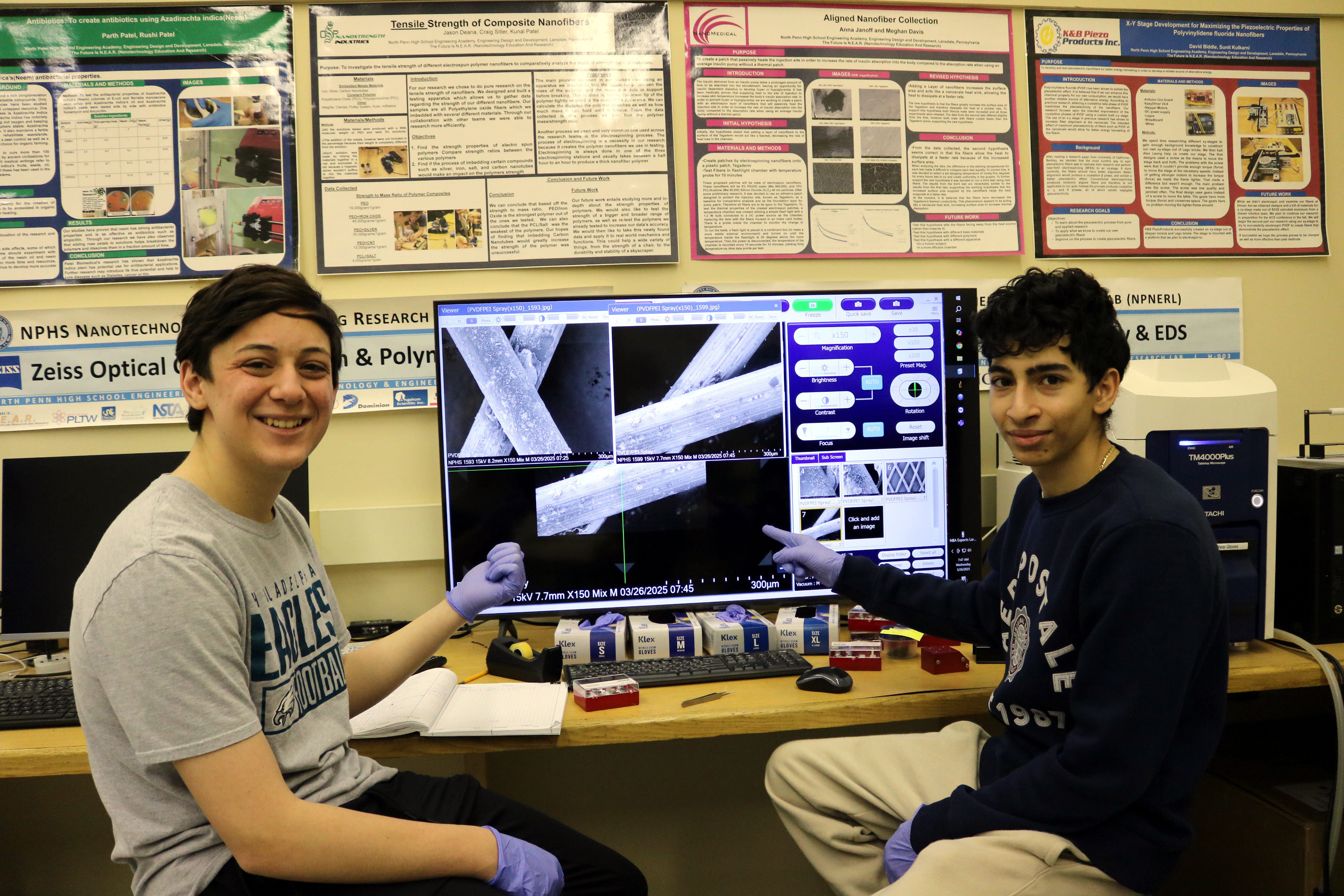
The Future is N.E.A.R. (Nanotechnology Education And
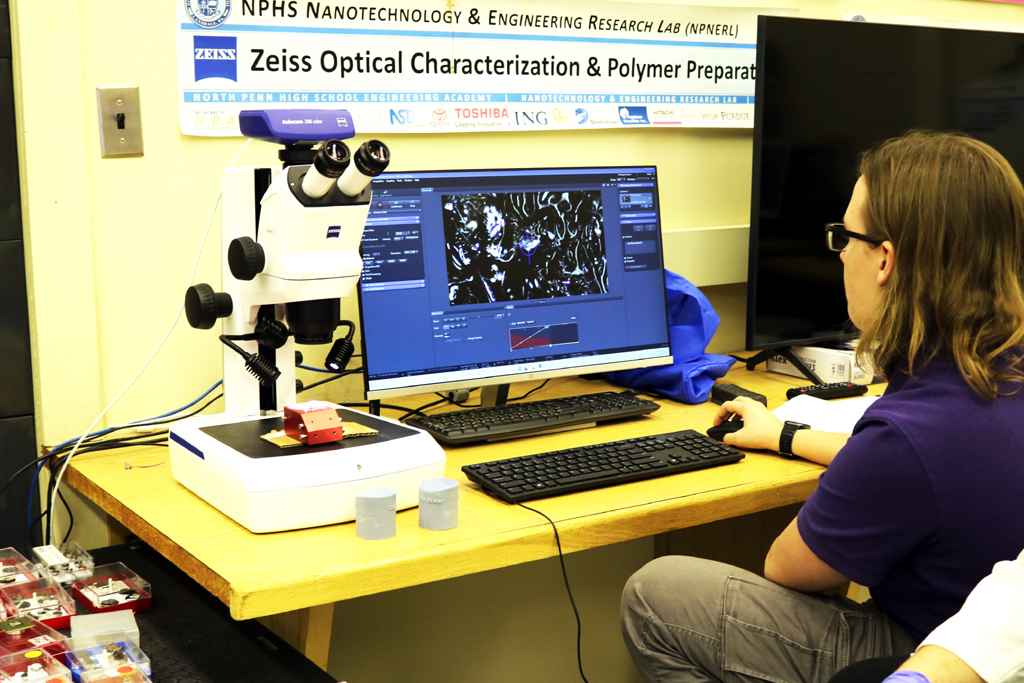
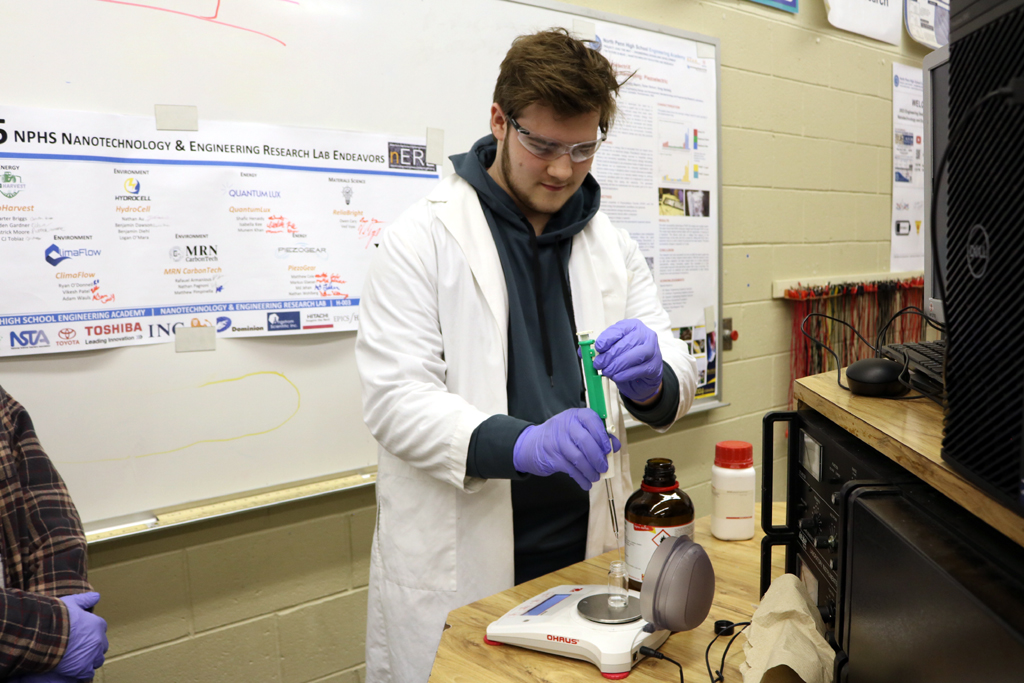
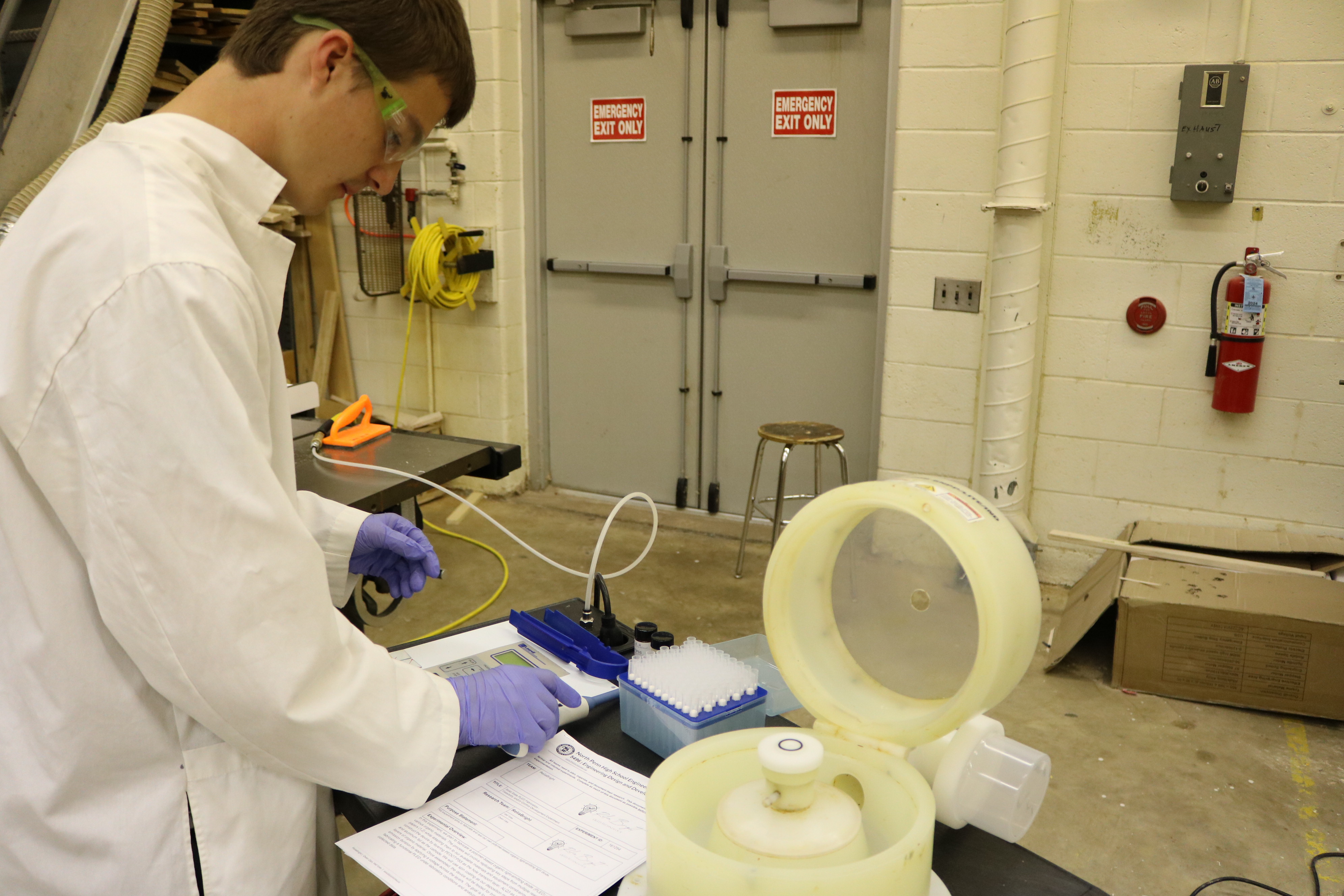
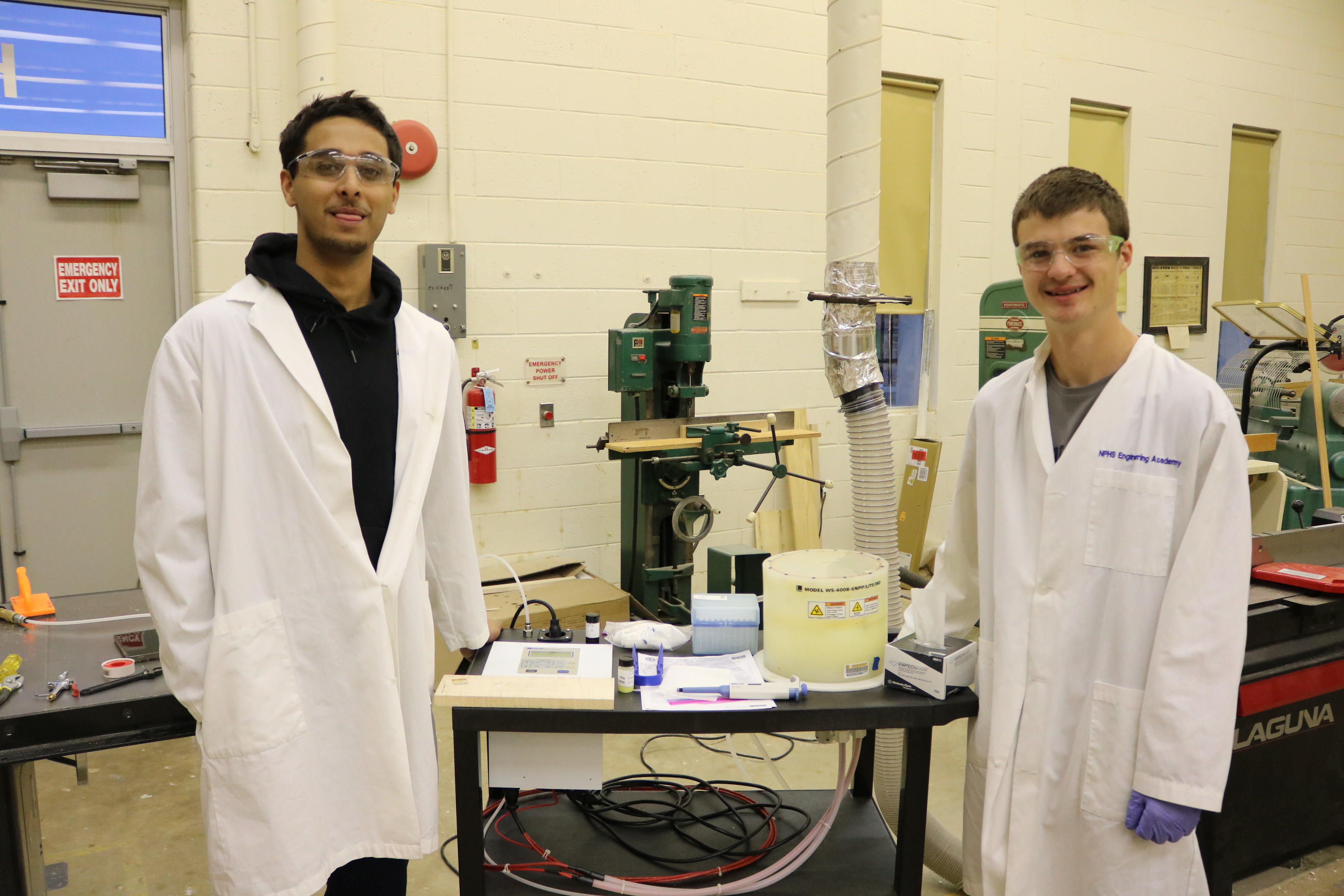
Research) program is an exciting STEM education
opportunity that allows
North Penn High School
students to perform research in the exciting world of
nanotechnology, experimental design, and engineering
research.
The program parallels the Engineering
Design and Development course (EDD) of the
Project Lead the Way
engineering academy and offers its students an opportunity
to gain 21st century STEM skills that prepares them to
become successful leaders in a global society.
READ MORE
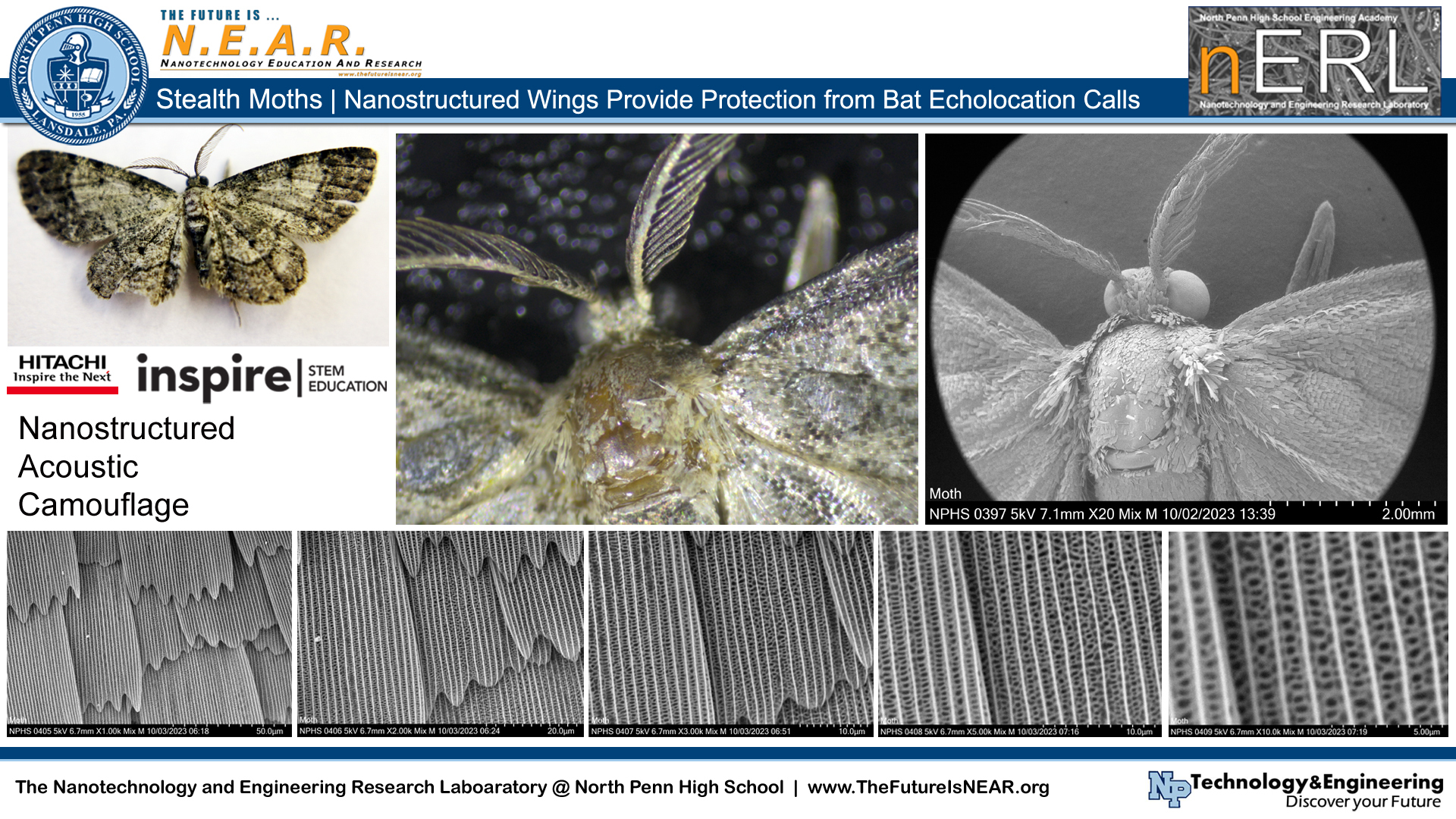
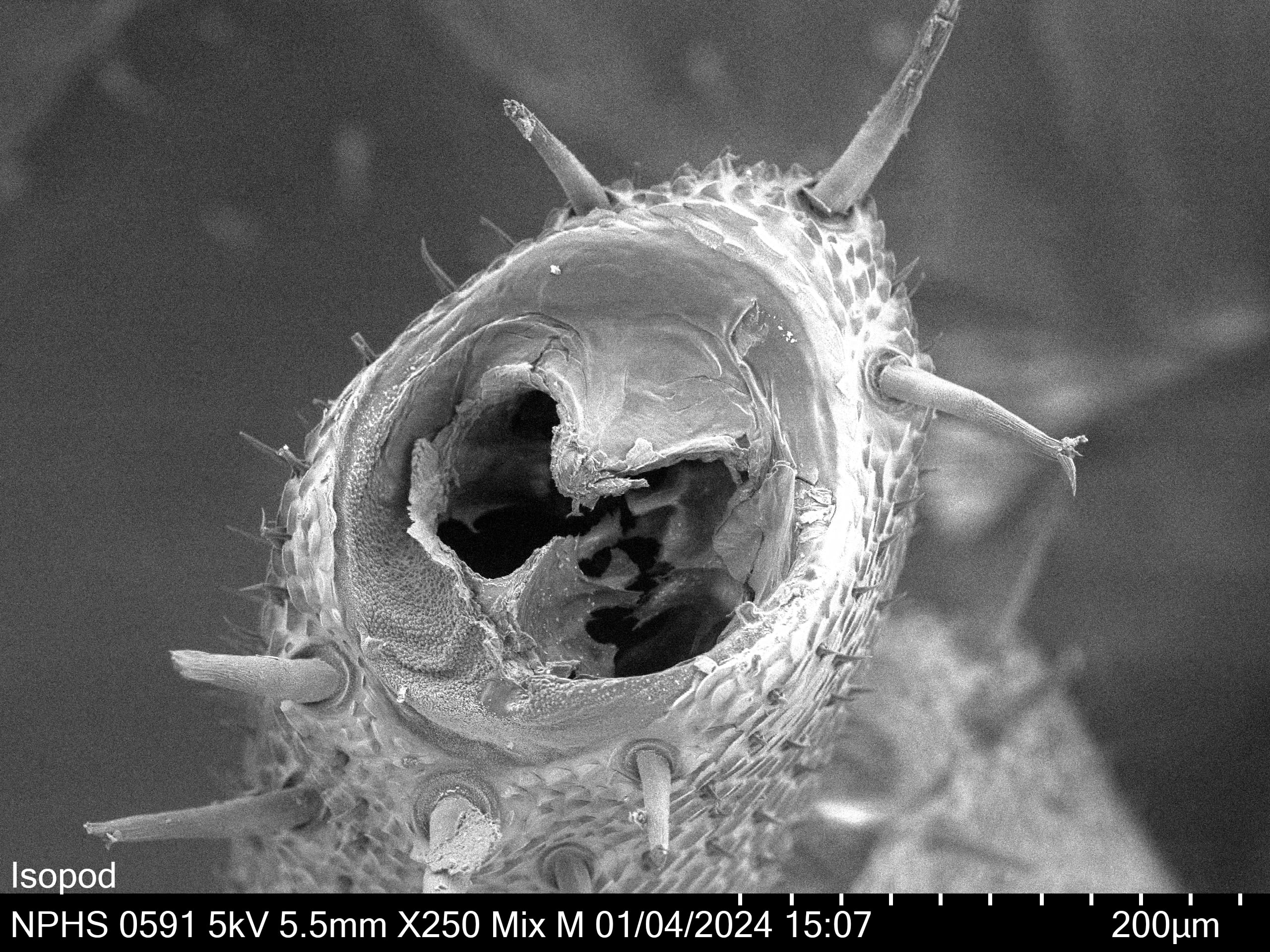
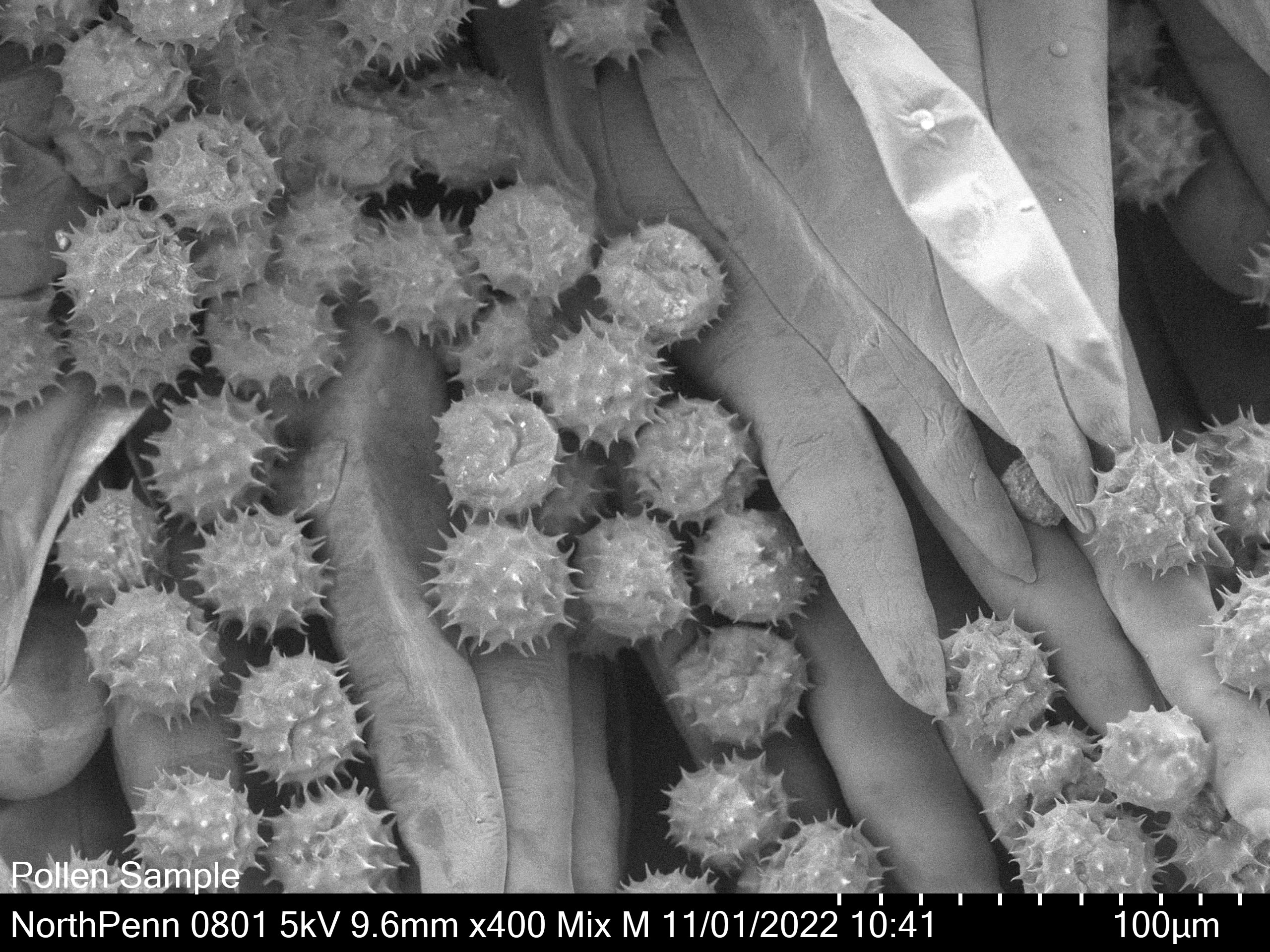
Structural Camouflage
Isopod
Pollen
Student Research
Student Research
Students from
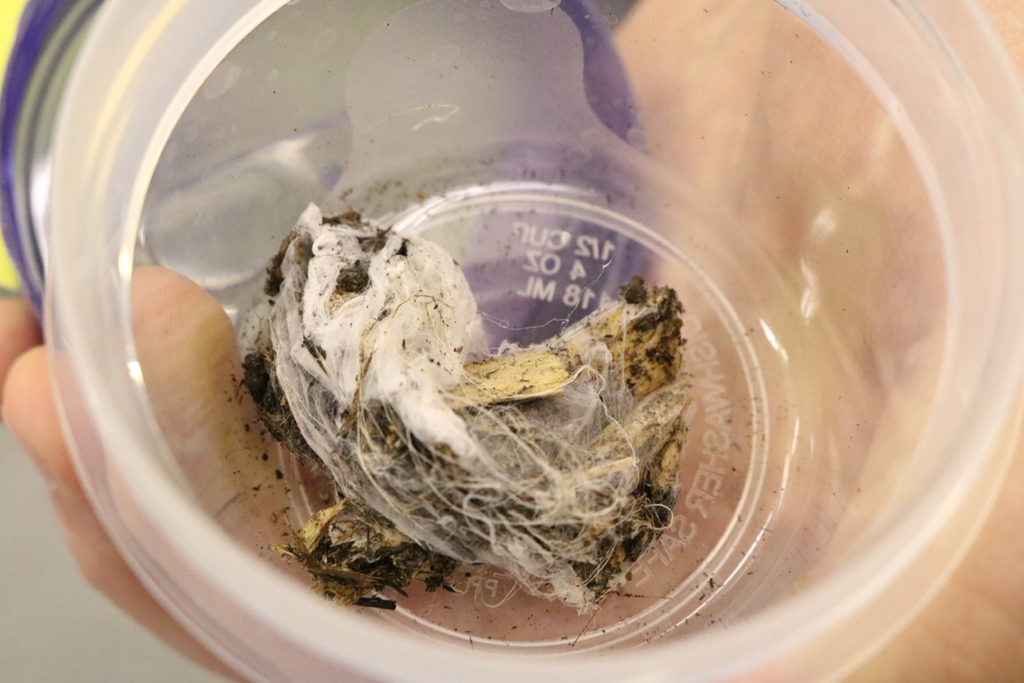
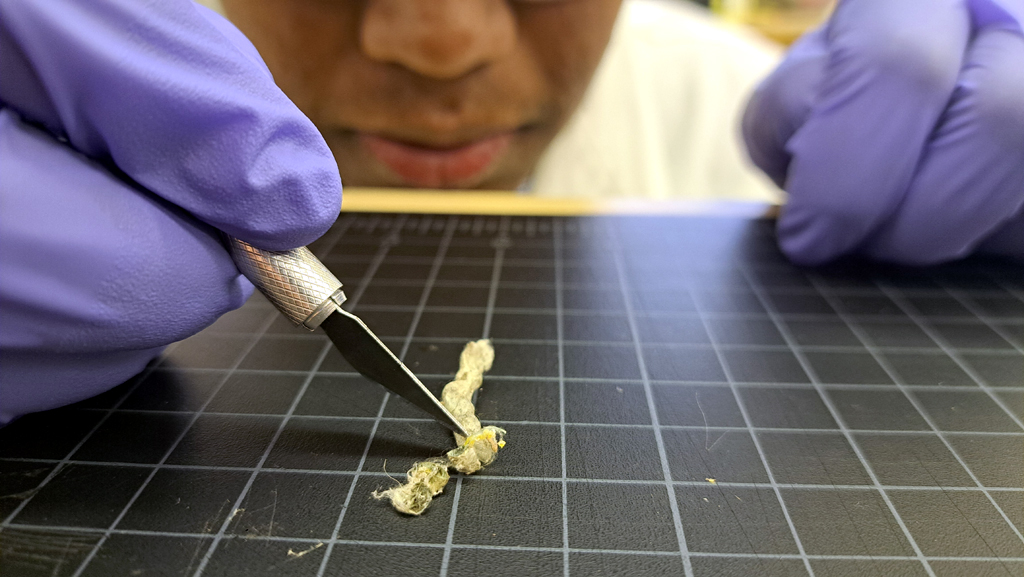
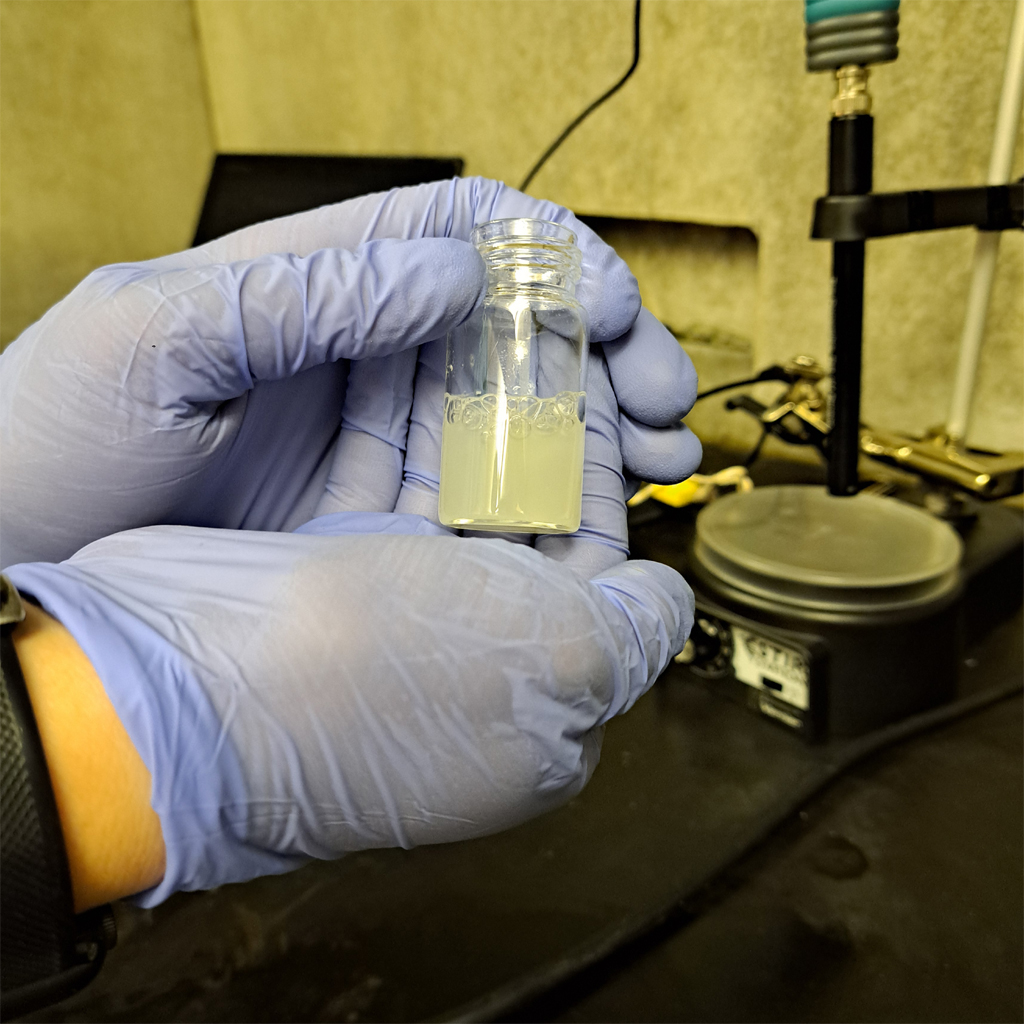
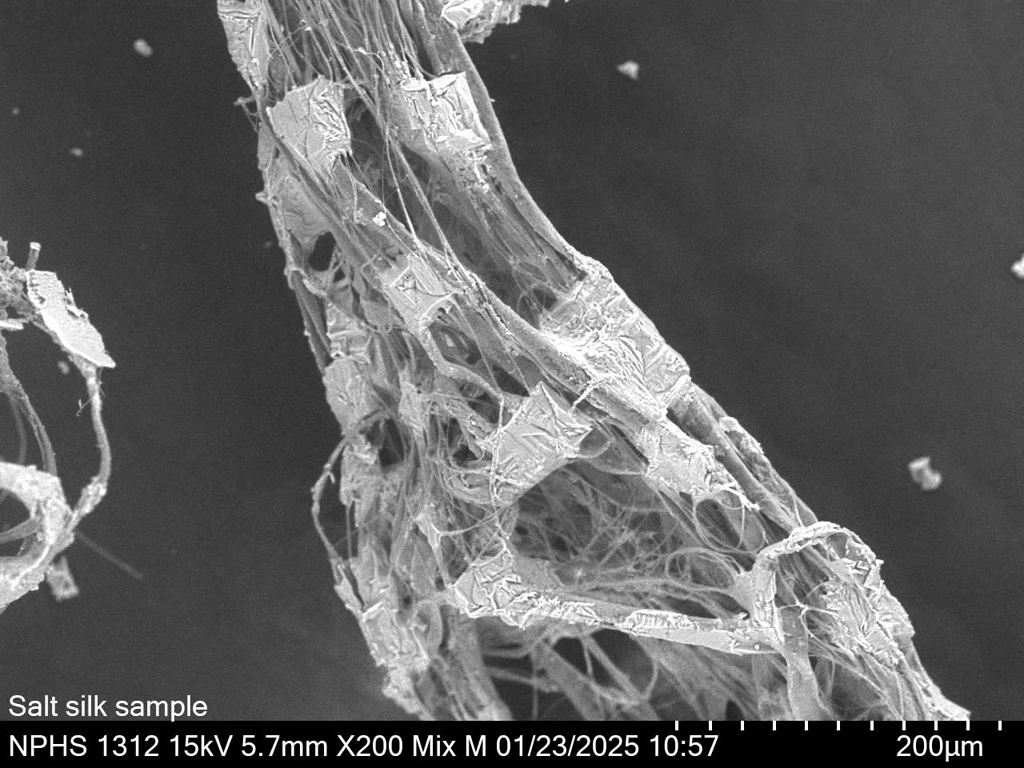
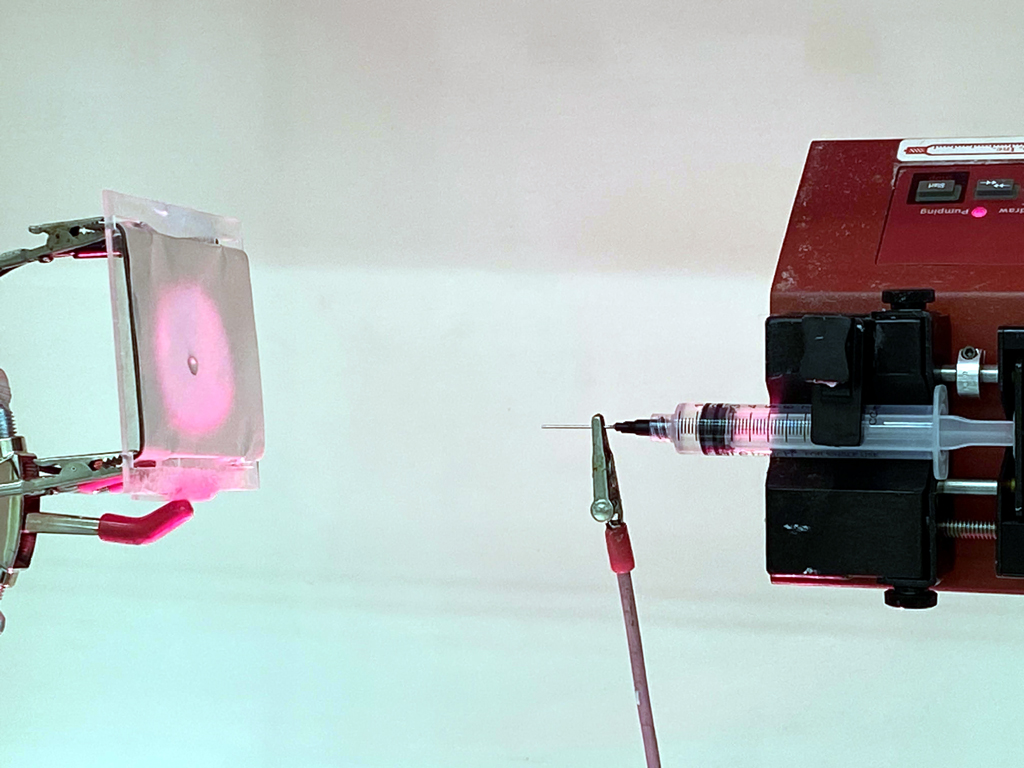
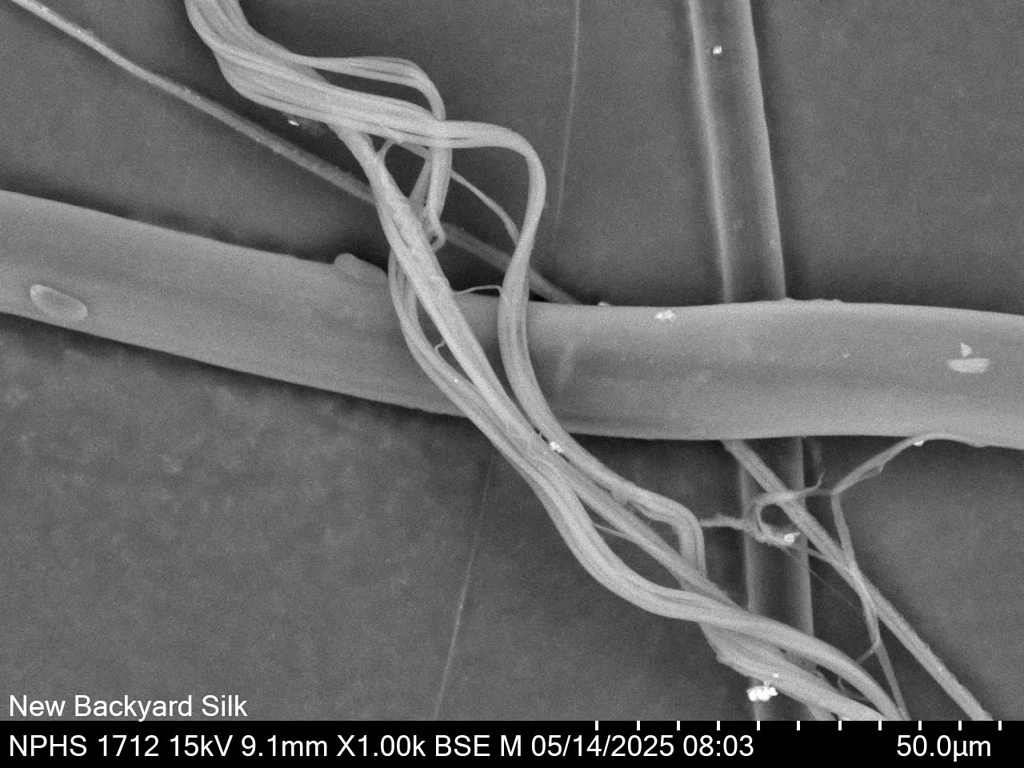
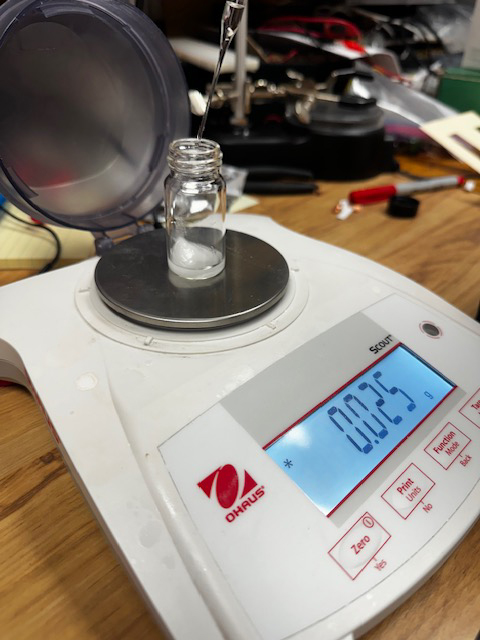
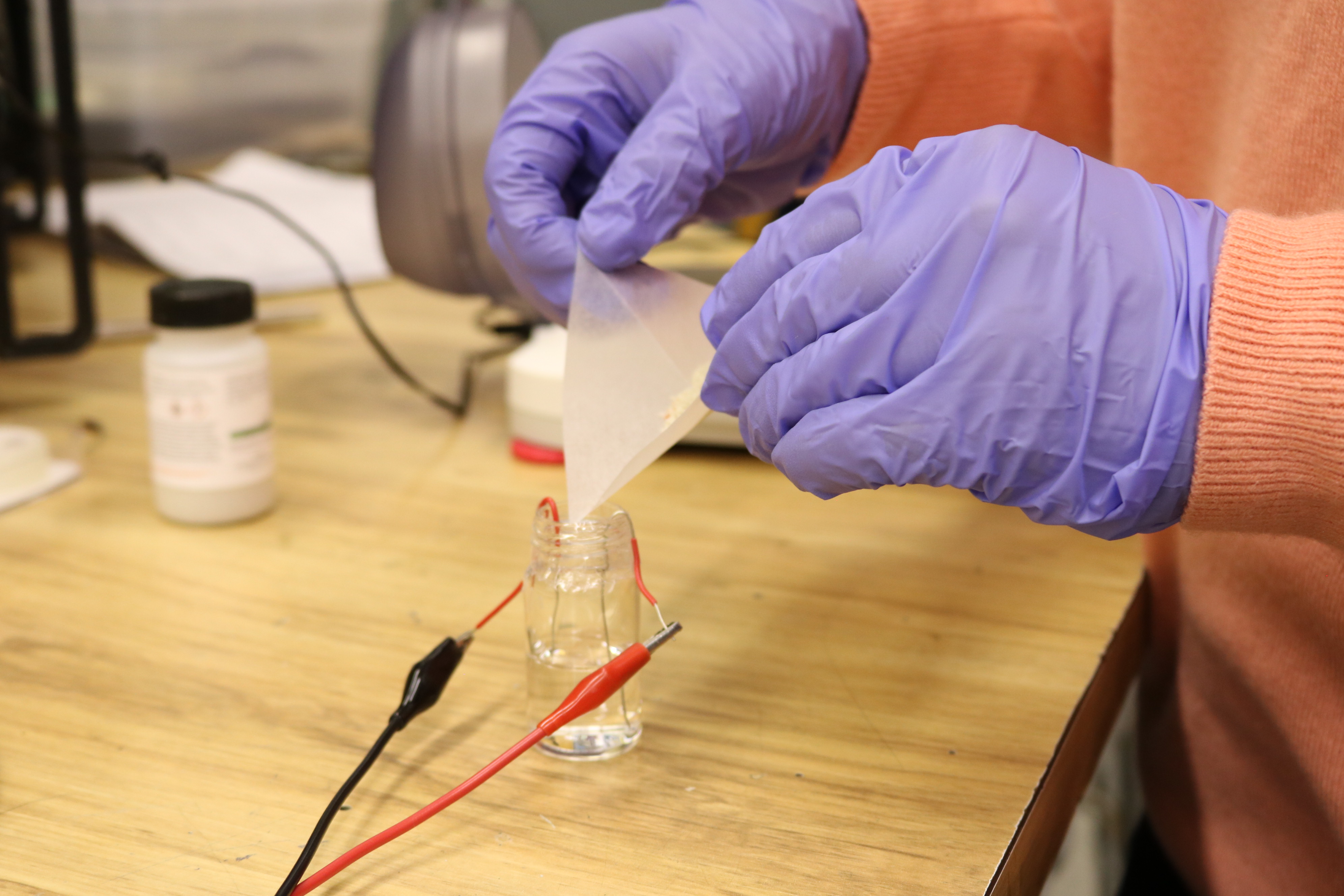
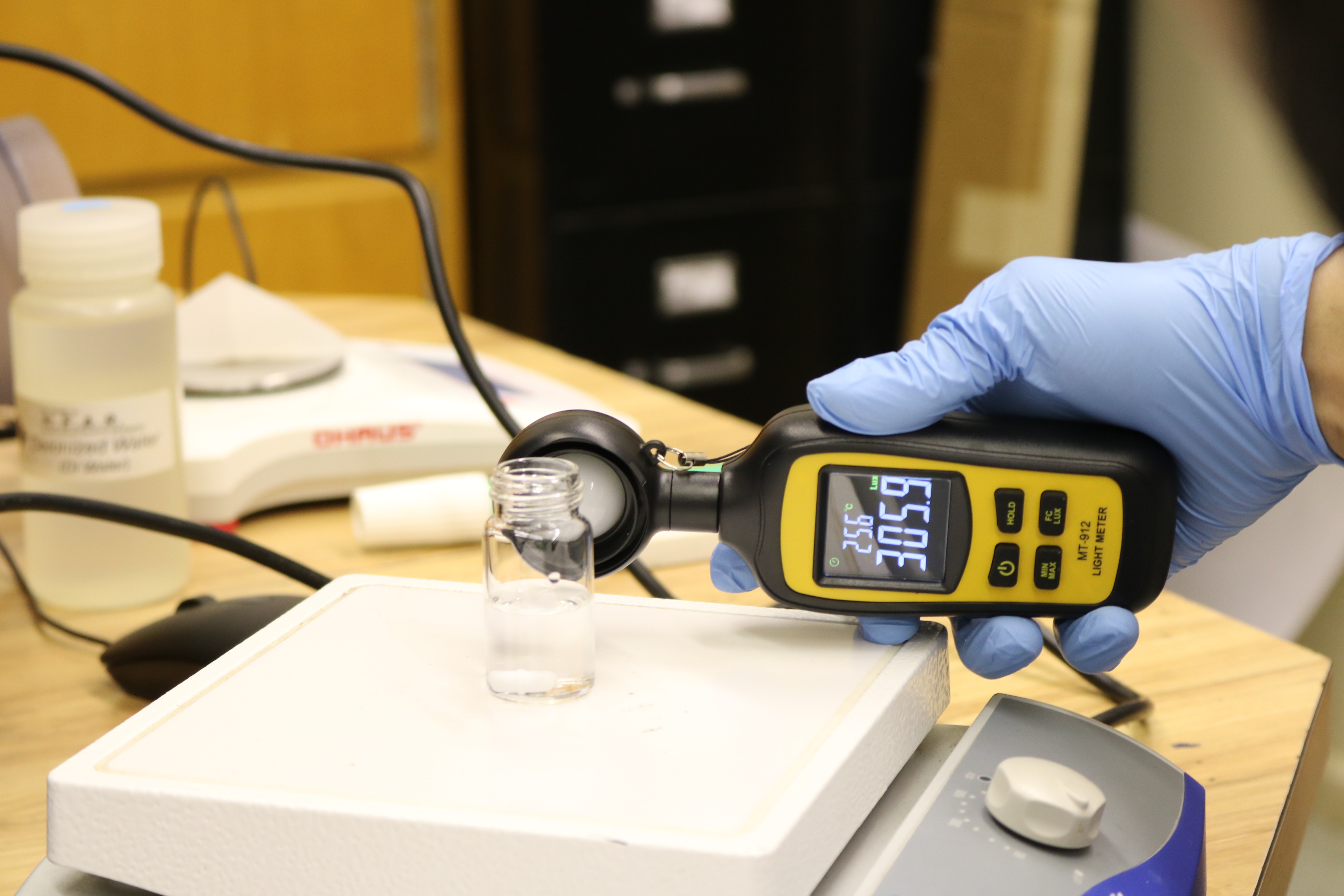
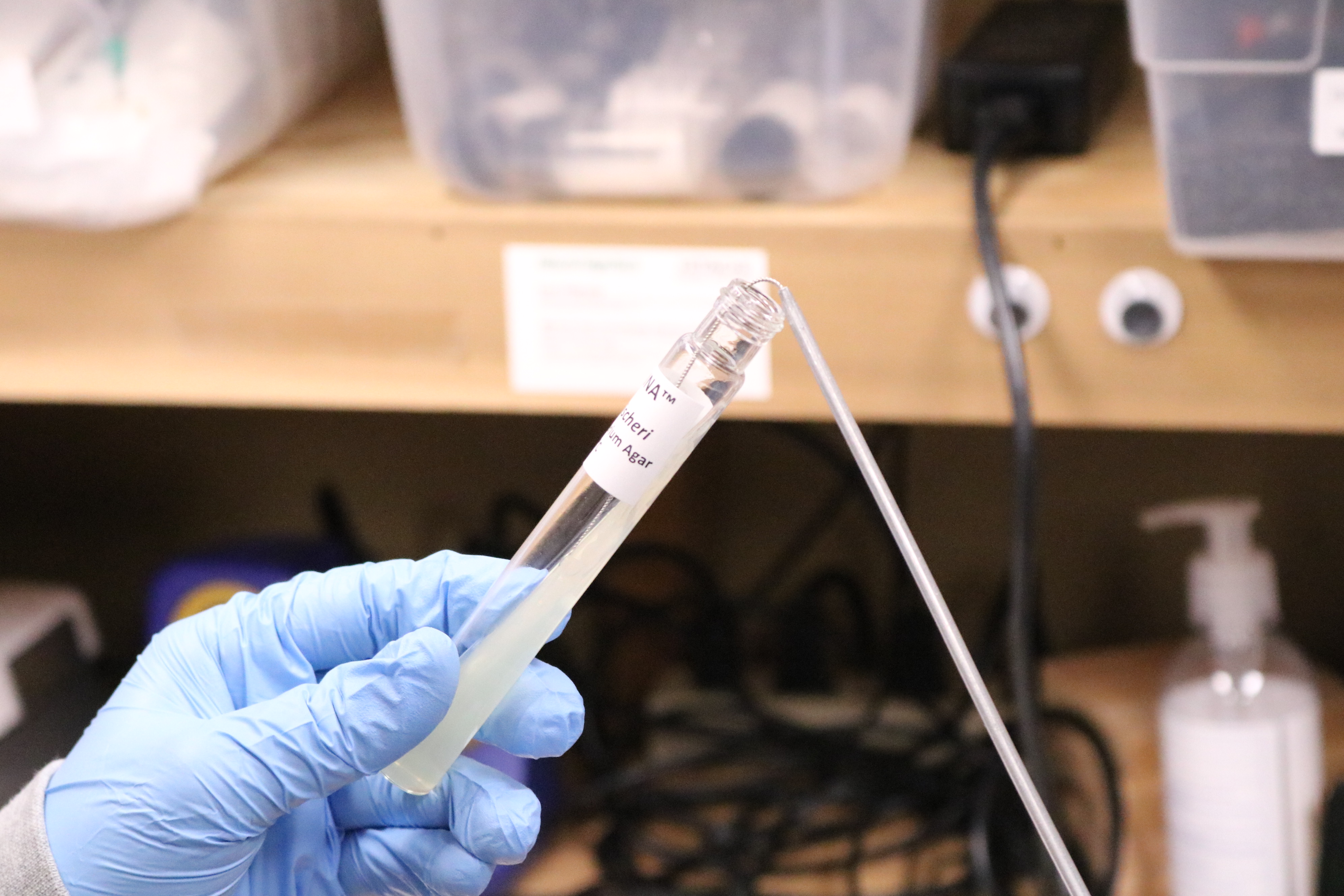
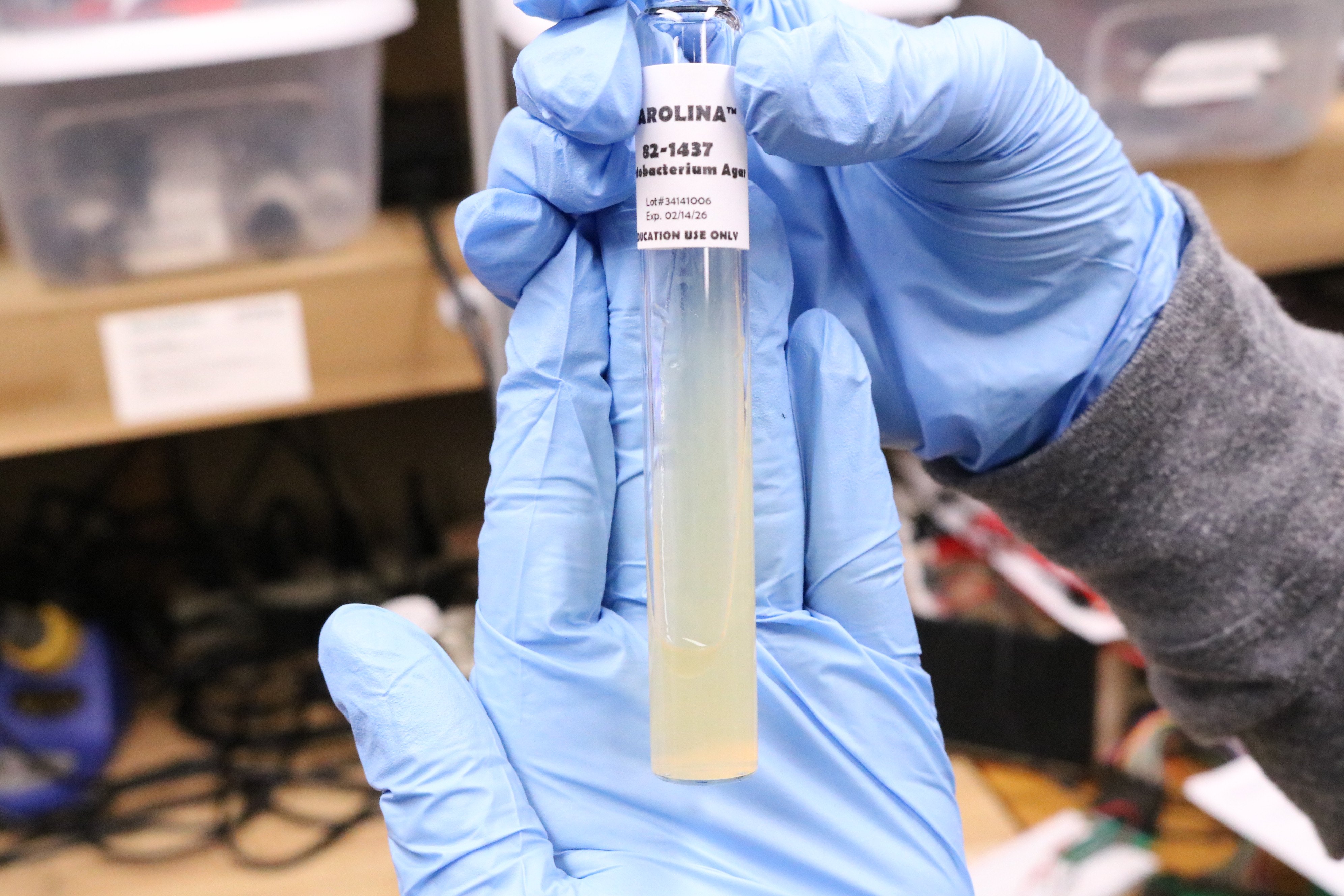
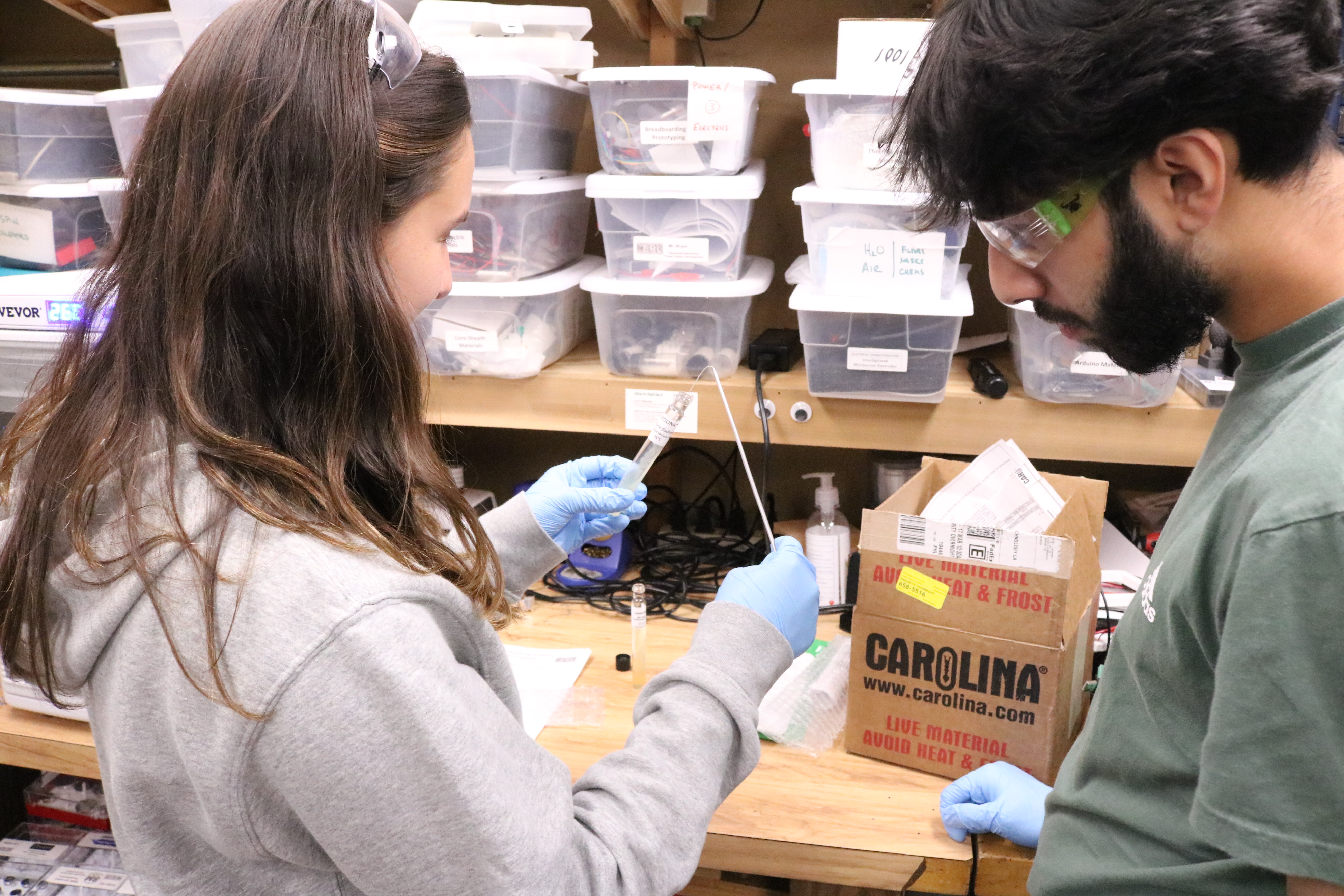
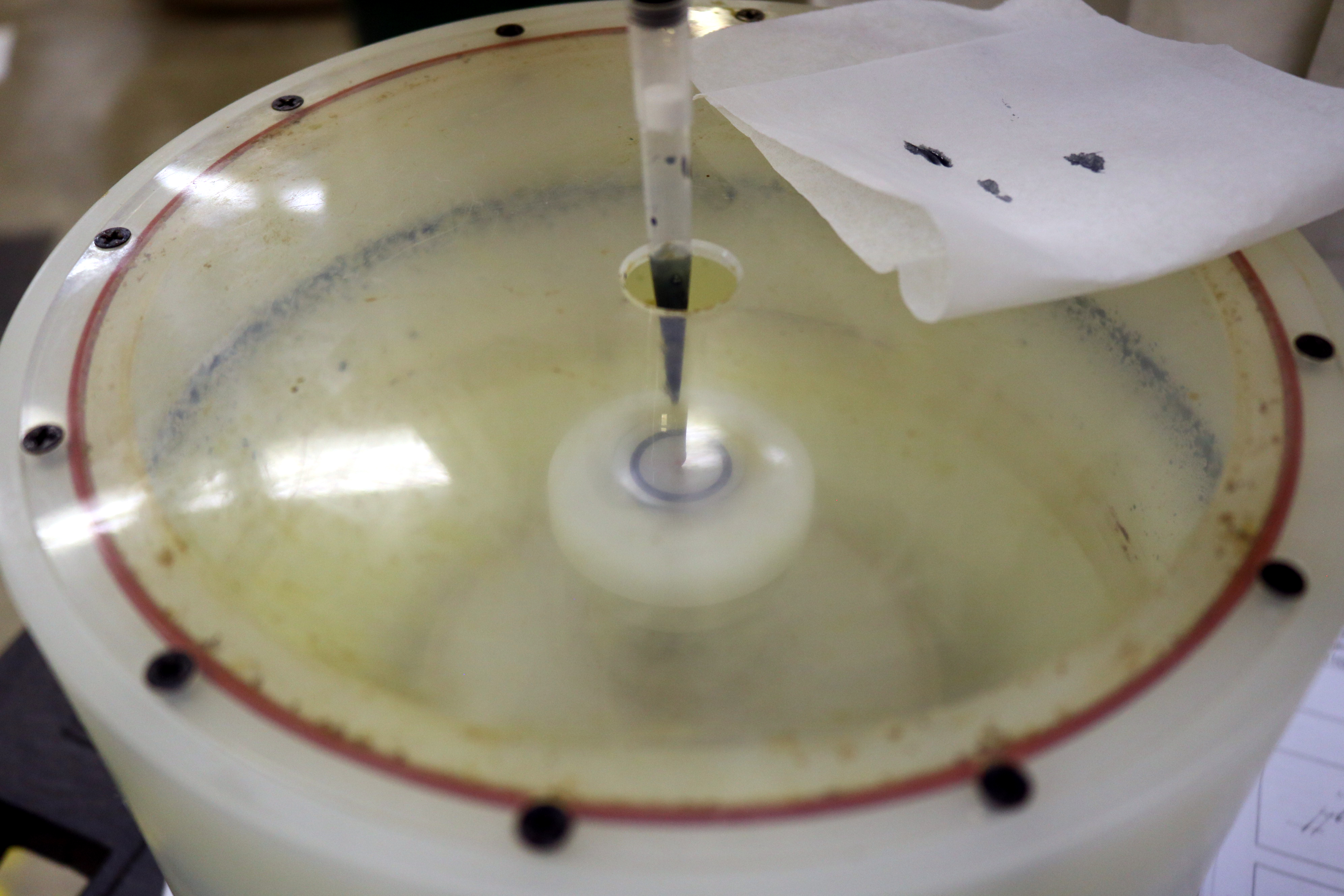
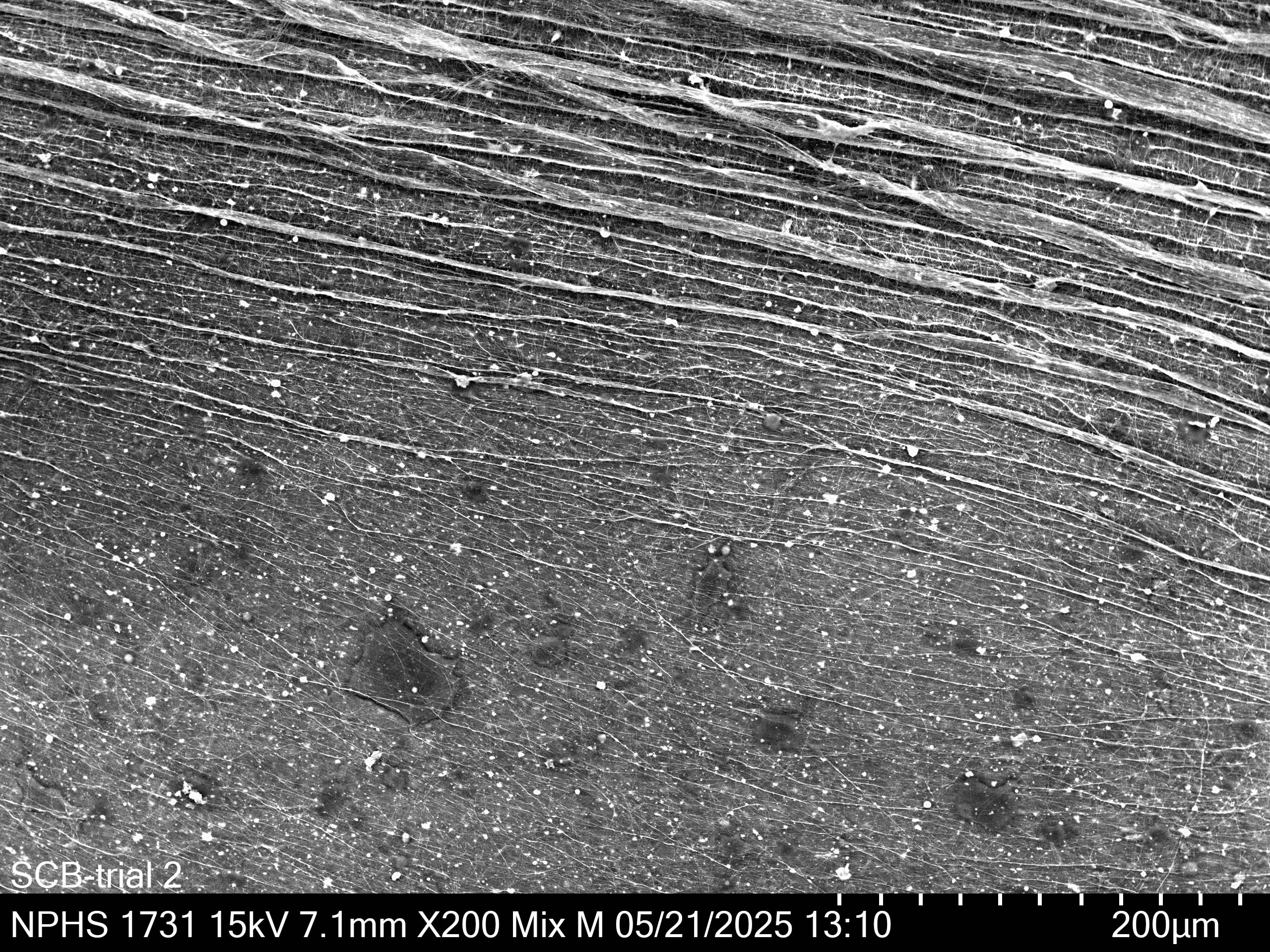
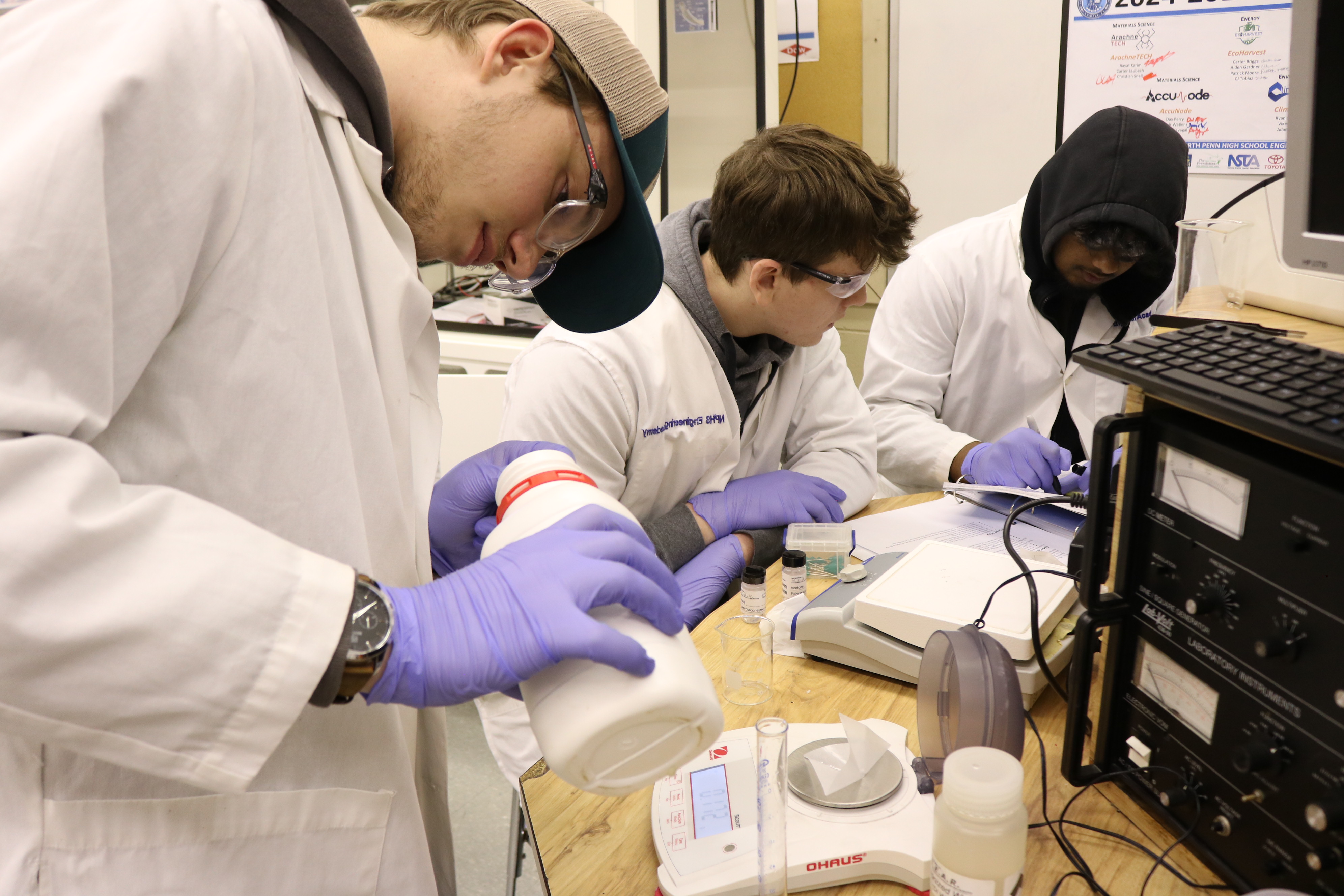
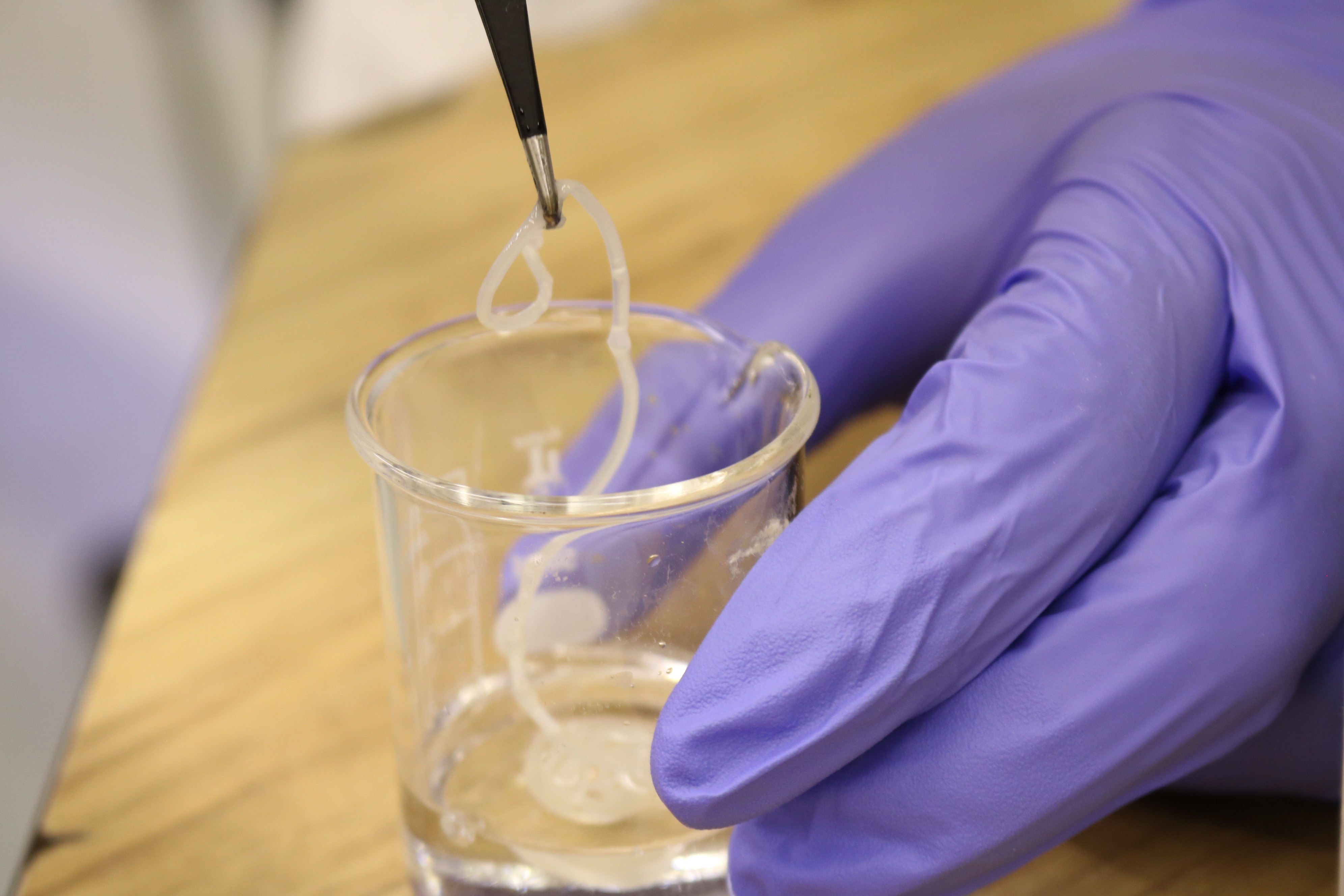
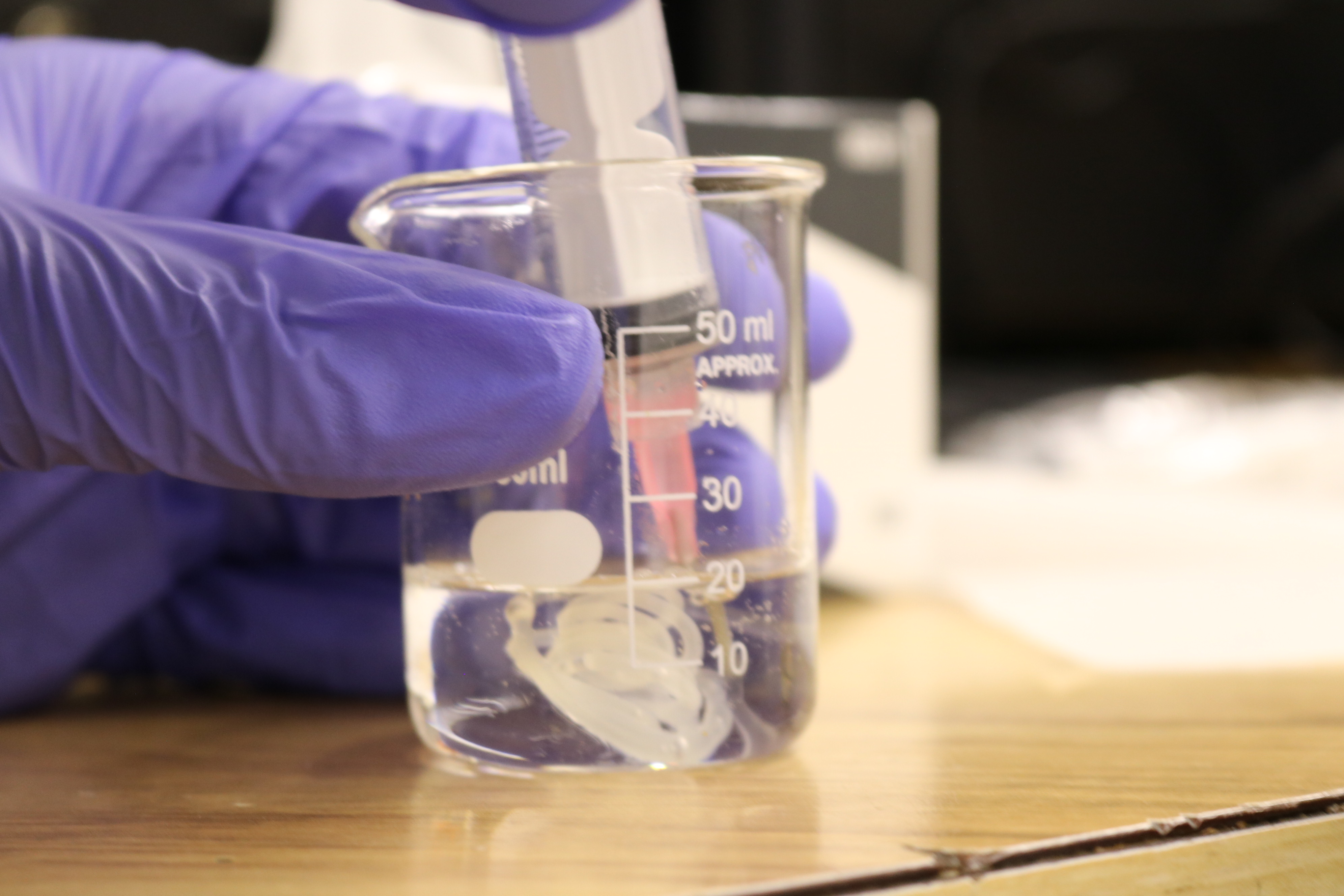
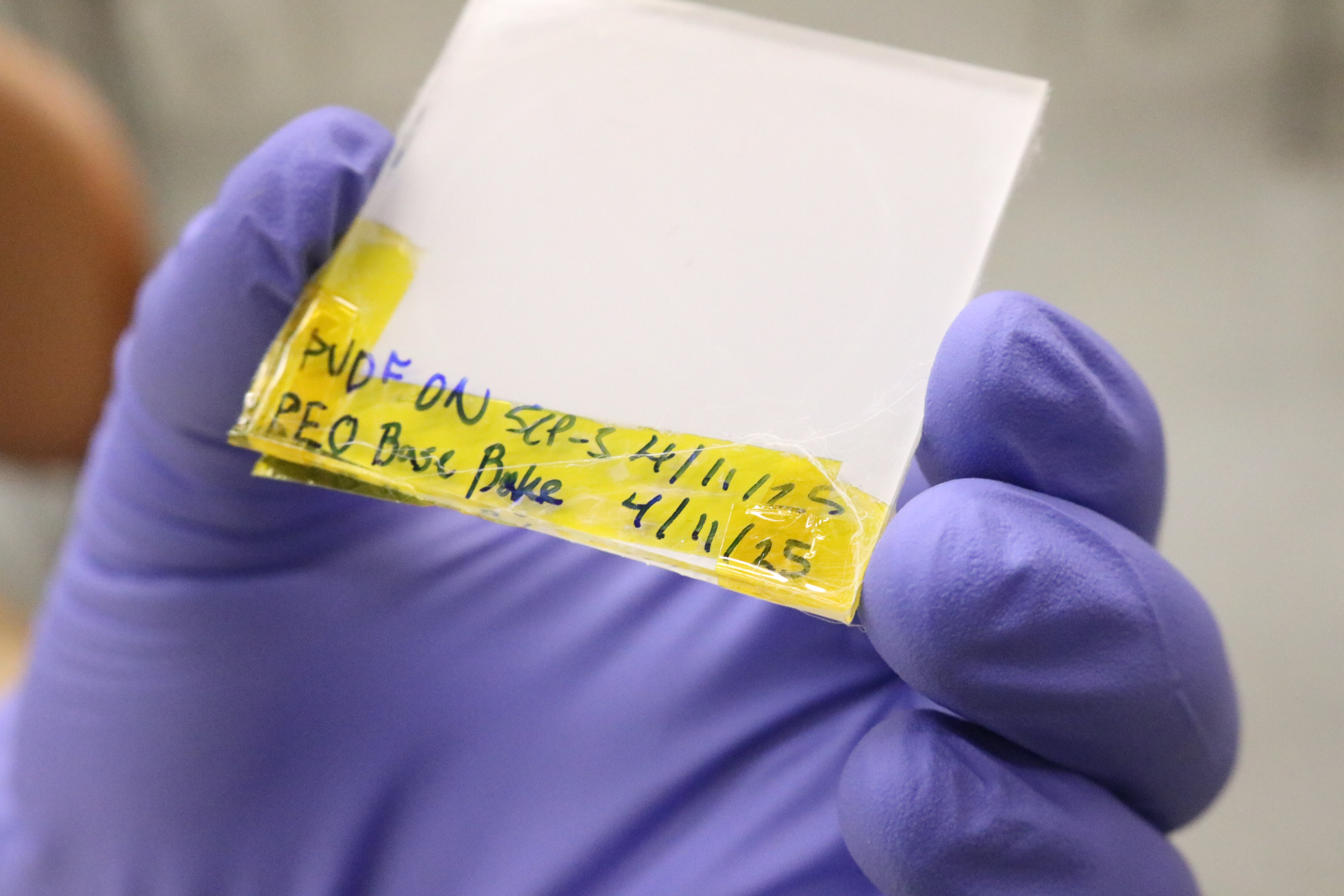
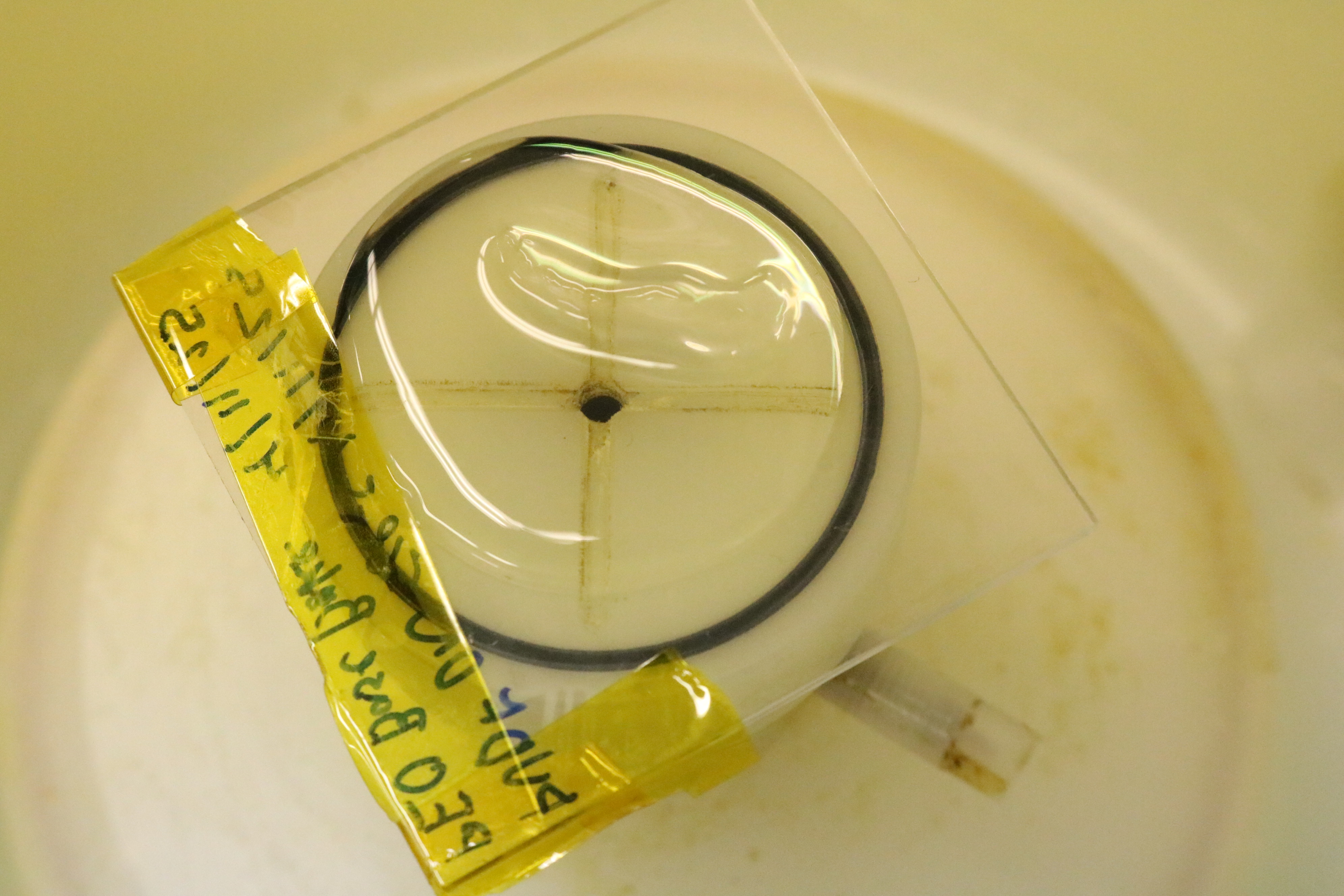
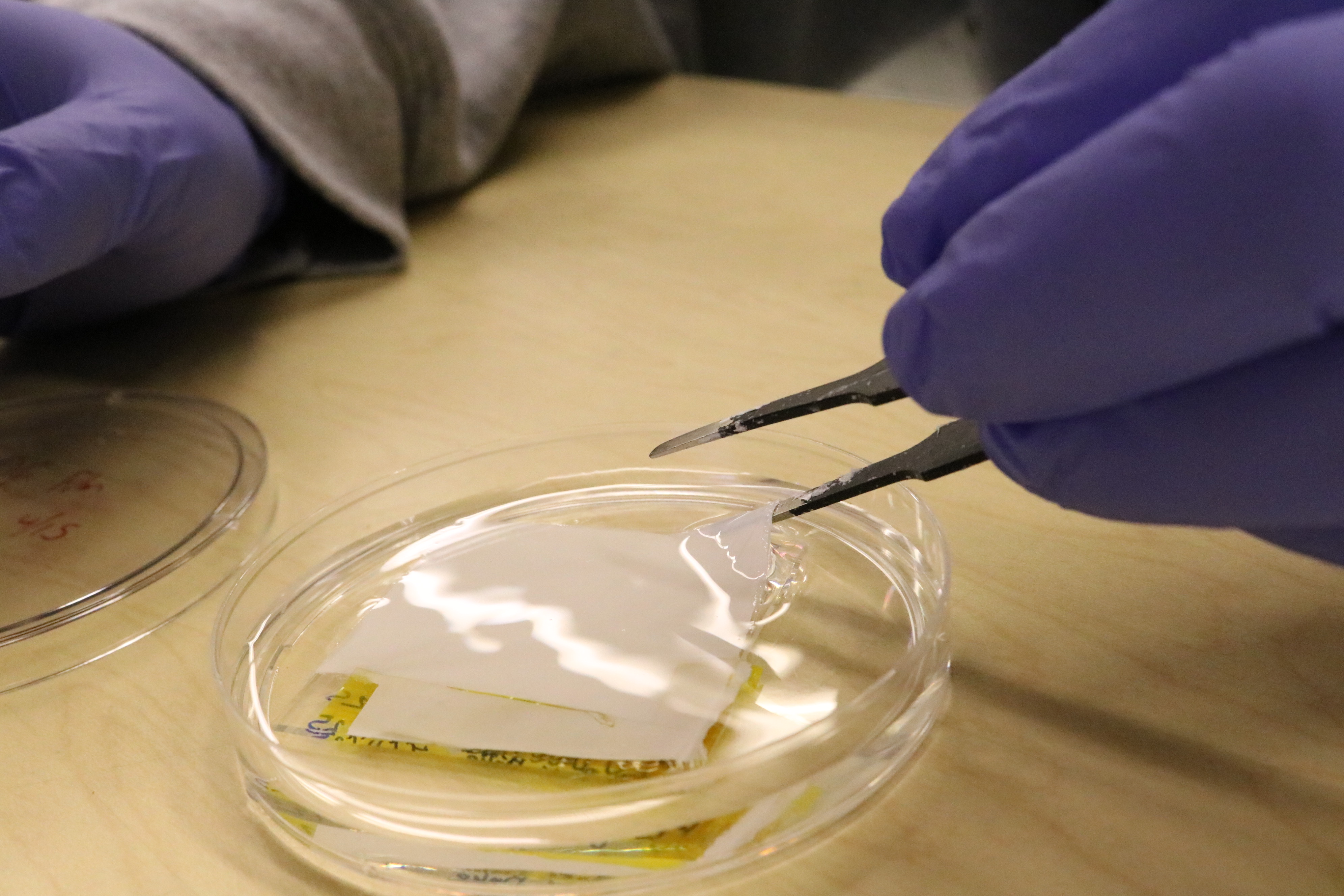
NPHS Lansdale, PA, USA and Queen Elizabeth's Grammar School Faversham, UK have been researching the development of cellulose nanofibers from ionic liquid systems.
Cellulose nanofibers have never been researched at North
Penn before. This research endeavor is particularly
interesting, not only because of the international
collaboration, but because cellulose has many inherent
properties that could improve the function of nanofibers
developed for many applications.
Please check
back often for news and updates.
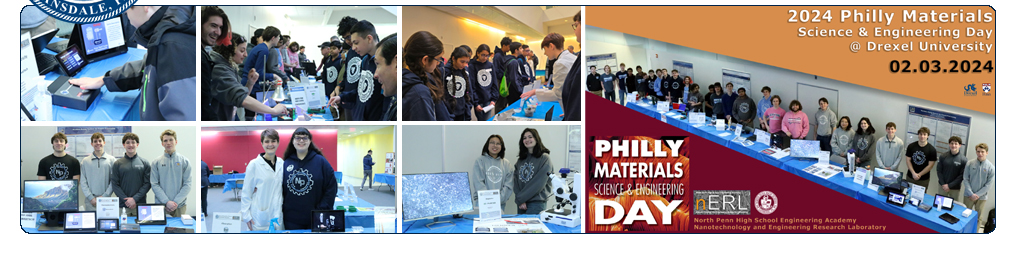
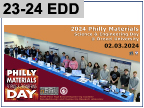
Philly Materials Day
NEWS 2
NEWS 3
NEWS 4
NEWS 5
NEWS 6
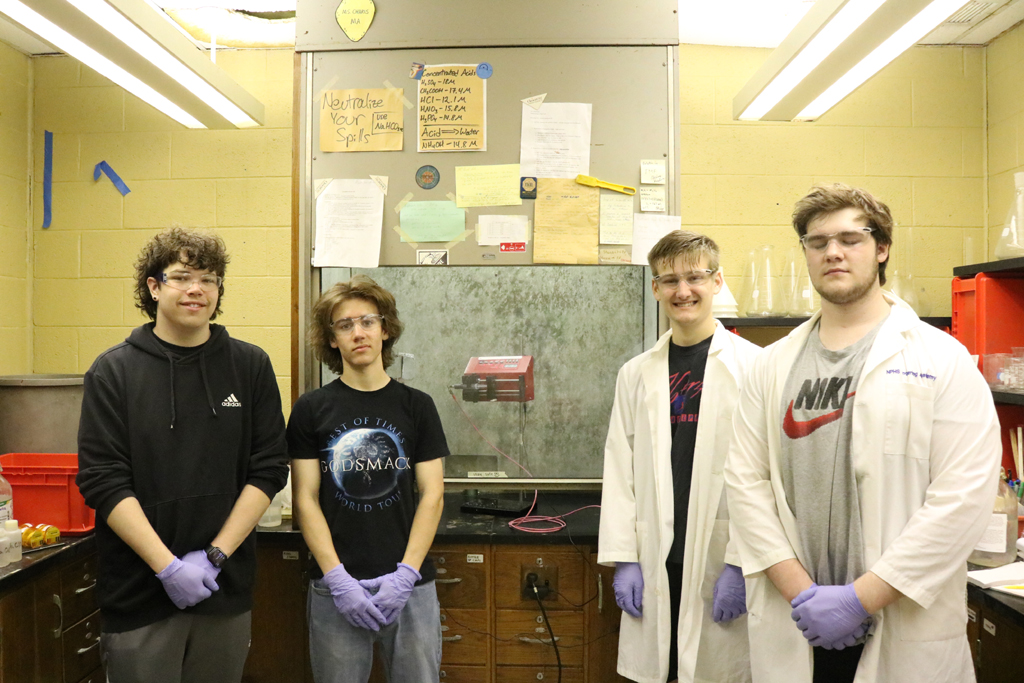
This year, there
are 30 students in 10 research teams in
the Engineering Design and Development Capstone Course of the
North Penn High School Engineering Academy. The main
research endeavors that the students are involved with are
listed below. Many of the students within these teams
will also be performing various extended and supplementary
experiments. A team research section will be added to
the website soon to share various images and videos of the
students' research. Please check back often!
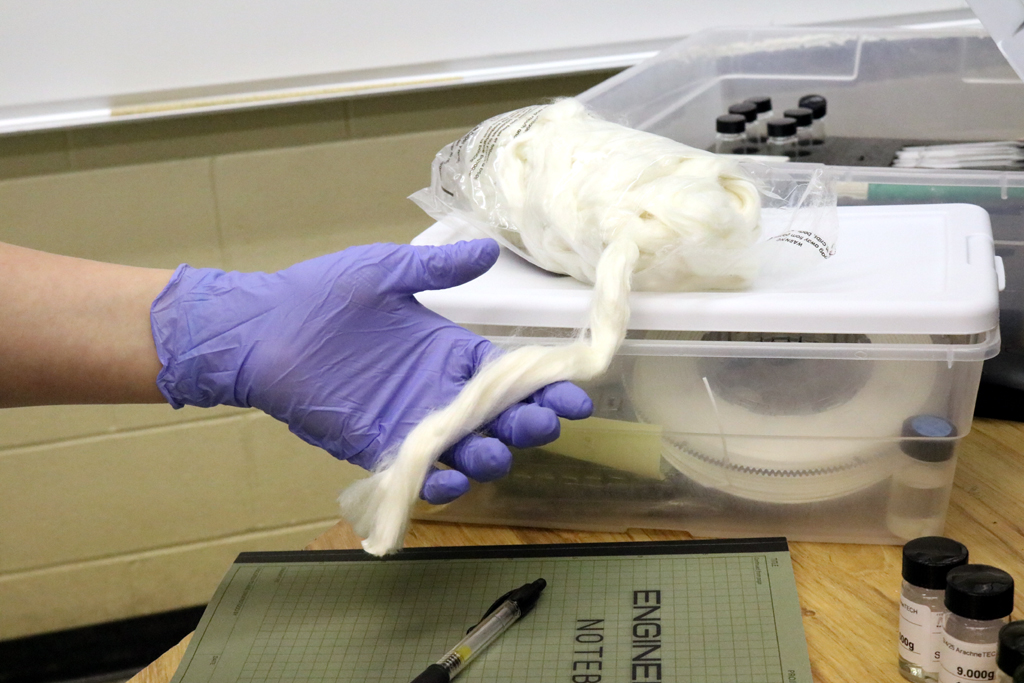
Bio-Based Textiles
Materials Science and Environment
Research and Development
MATERIALS
SCIENCE
RESEARCH
Rayat Karim |
Carter Laubach | Christian
Snell
Although textile
recycling programs exist, they are costly and often too small-scale
to make a difference to the pollution issue. Textile pollution,
mostly caused by non-biodegradable materials, is causing a build-up
of synthetic textiles in landfills, amounting to around 92 million
tons in 2015. Polyester, which accounts for 70% of the world's
textile use/production, is non-biodegradable and can take over 200
years to break down in a landfill. Research must be done to help
find a new textile suitable for consumption.
IMAGE GALLERY
Team Name: Image 01
Team Name: Image 02
Team Name: Image 03
Team Name: Image 04
Team Name: Image 04
Team Name: Image 05
Team Name: Image 06
Team Name: Image 07
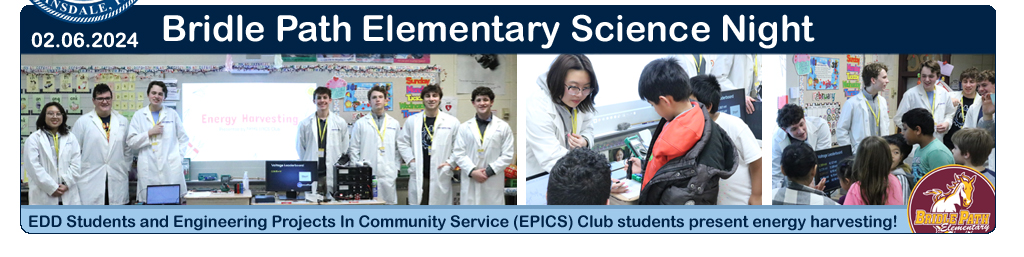
Energy Harvesting R &
D
Energy Research
ENERGY
RESEARCH
Carter Briggs |
Aiden Gardner | Patrick
Moore |
CJ Tobiaz
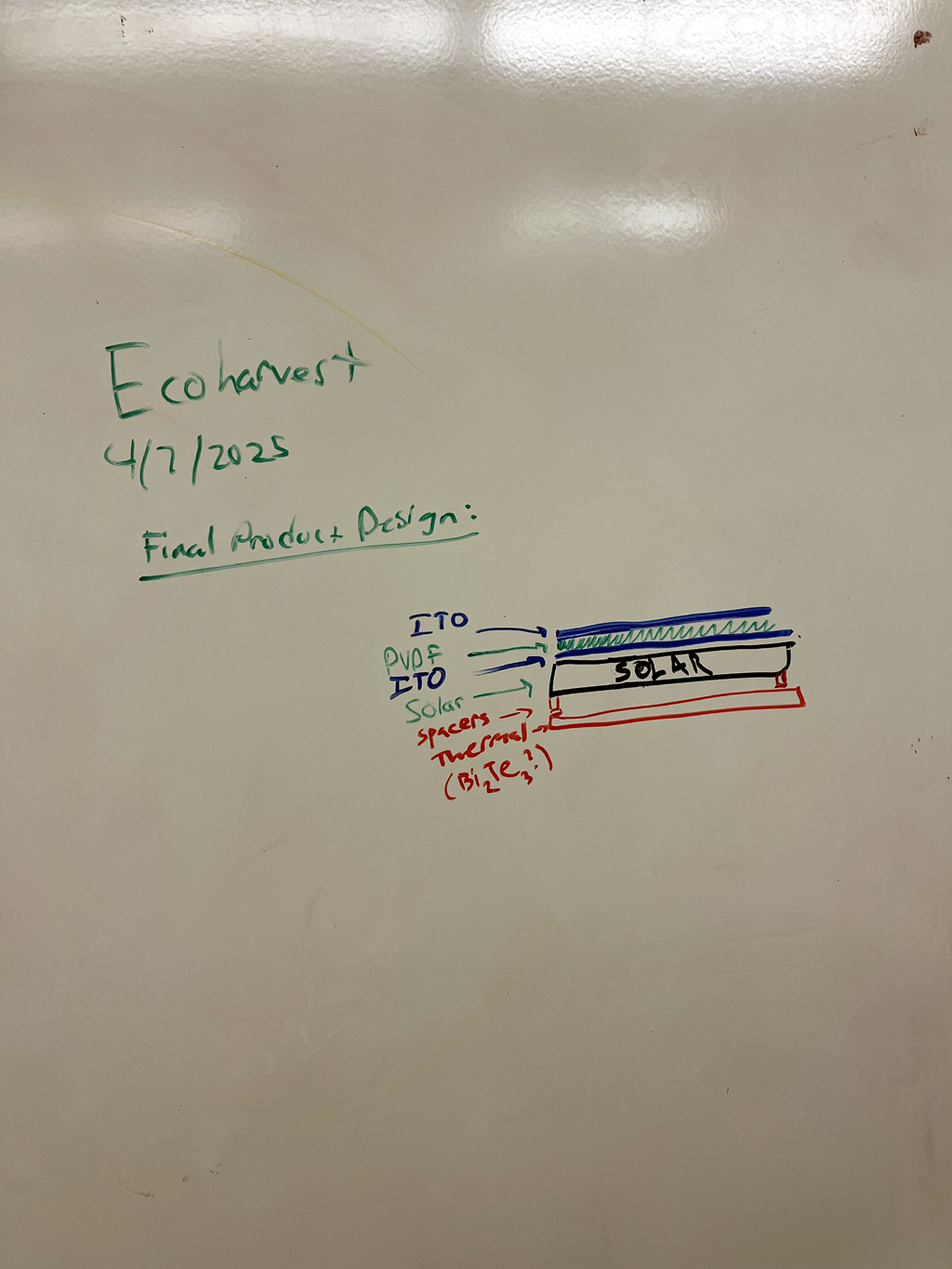
Renewable energy is
not the primary source of energy production due to high costs, low
efficiency, and not enough real estate. Most of the world relies
entirely on fossil fuels due to affordability, since it would be
around $62 trillion to convert to renewable energy. Because most of
the world relies on energy, this problem affects almost everyone,
with 90% of people accessing a power grid. Therefore, further
research is necessary to develop alternative methods of harvesting
renewable energy.
IMAGE GALLERY
EcoHarvest: Image 00
EcoHarvest: Image 01
EcoHarvest: Image 02
EcoHarvest: Image 03
EcoHarvest: Image 04
EcoHarvest: Image 05
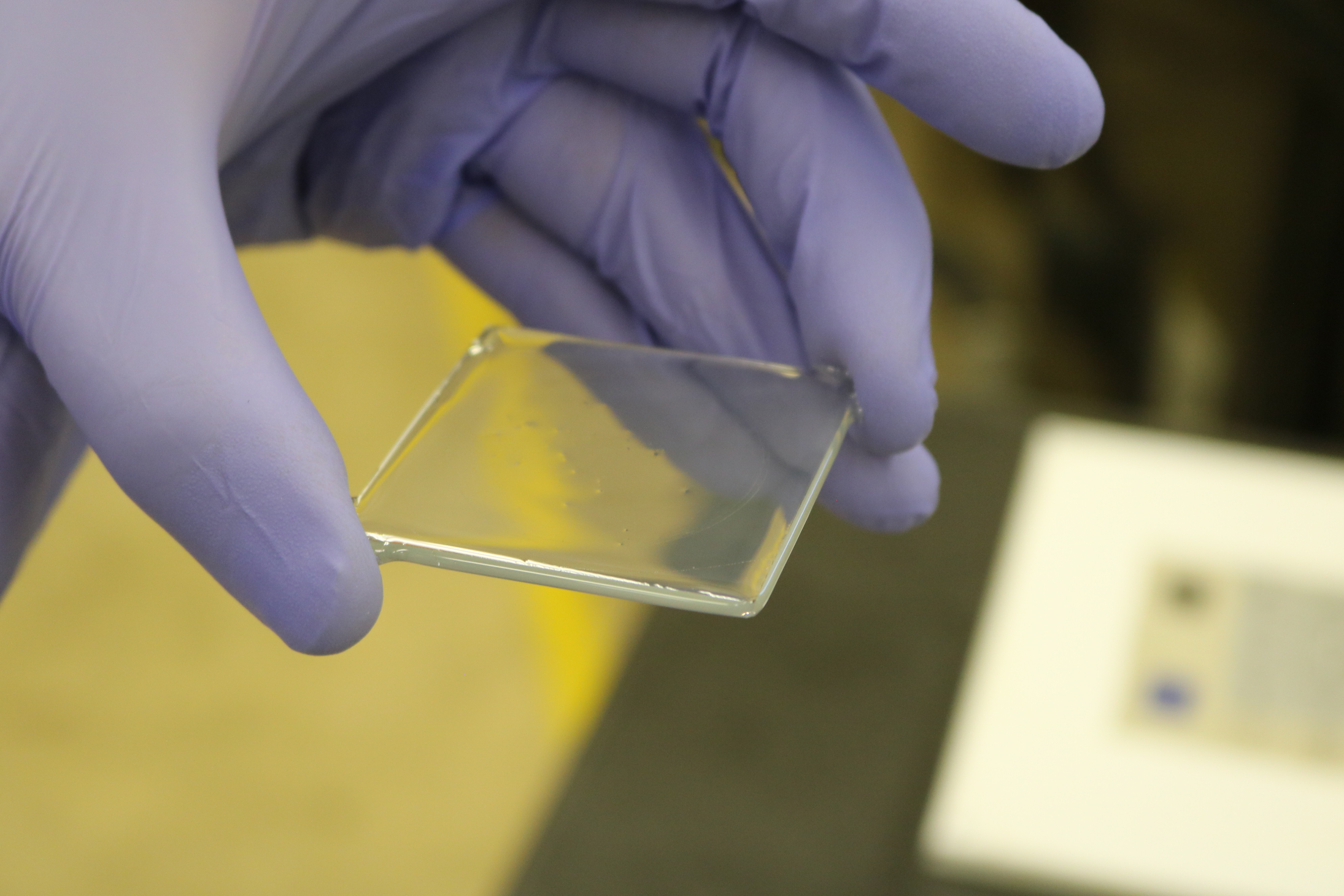
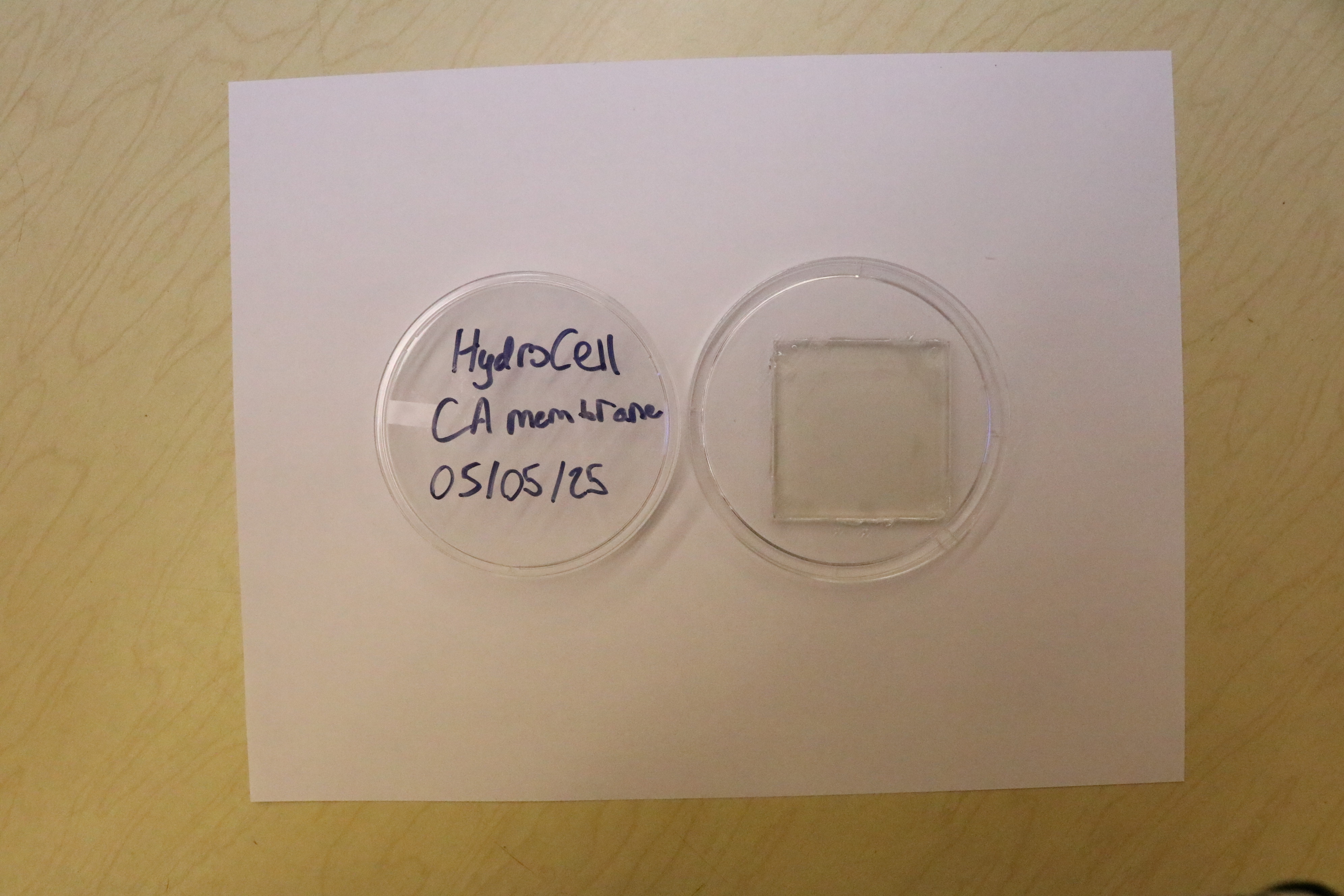
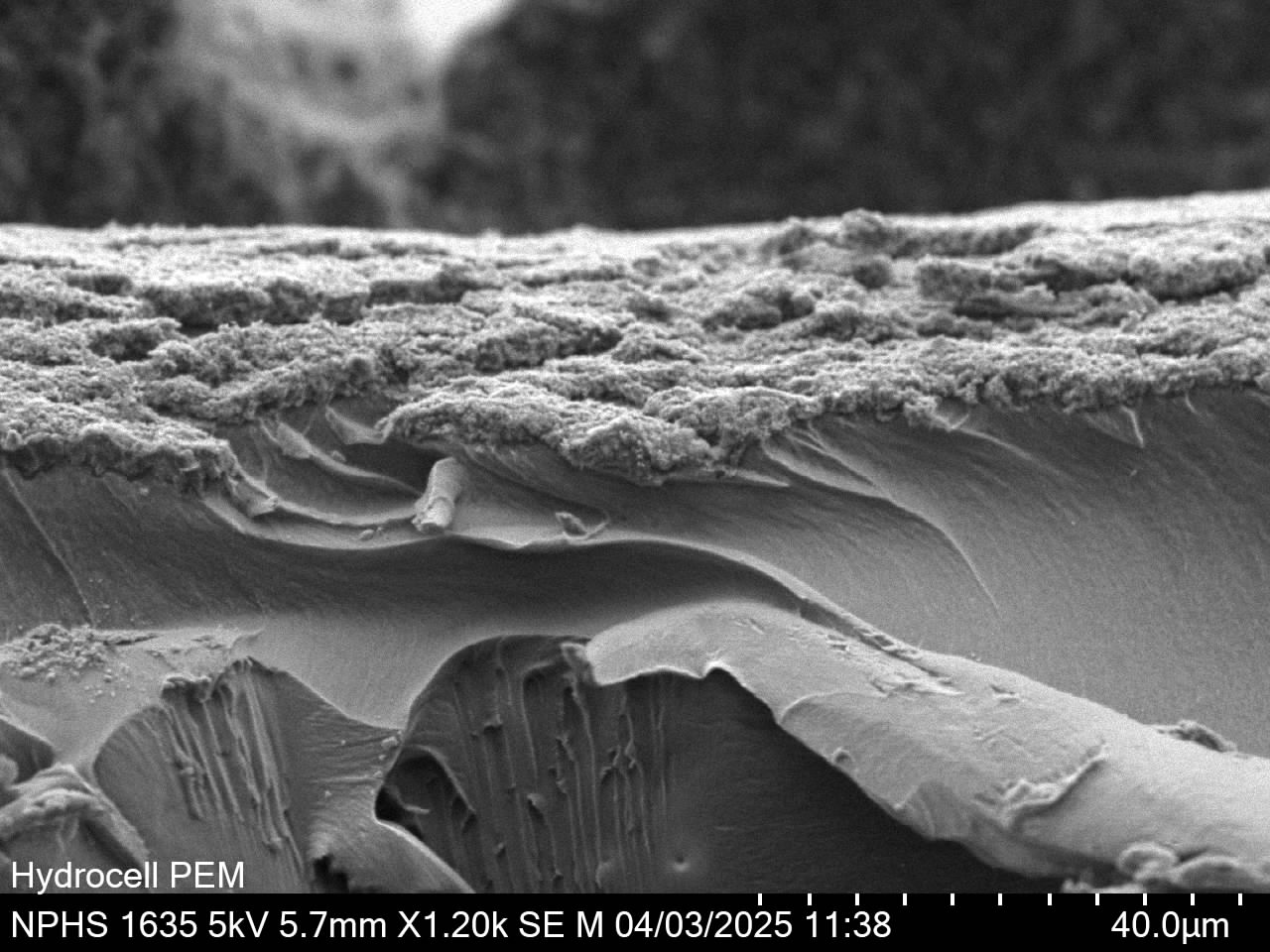
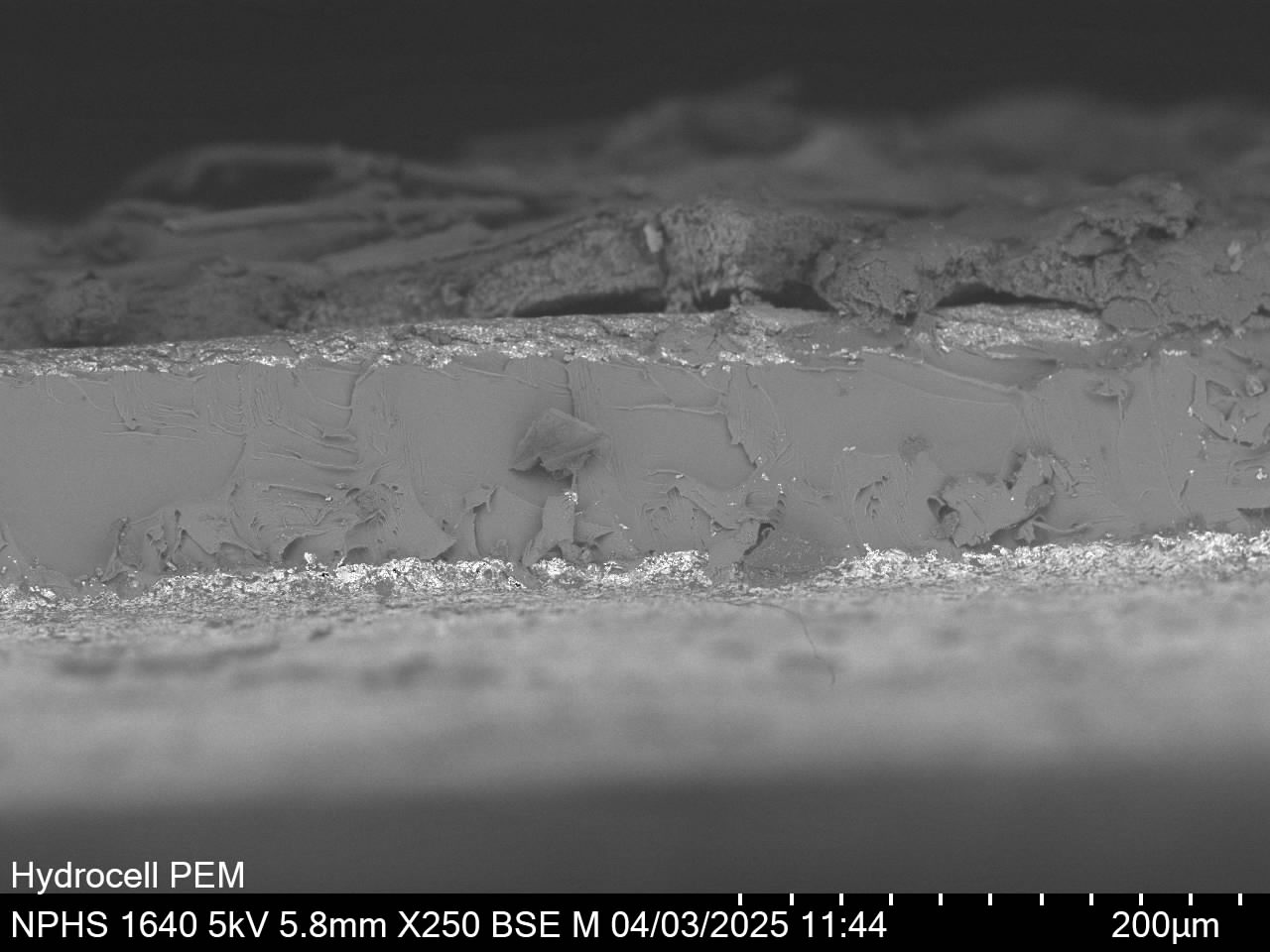
Hydrogen Fuel Cell
Membrane
Energy Research and
Development
ENERGY
RESEARCH
Nathan Au |
Benjamin Dawson | Logan
O'Mara
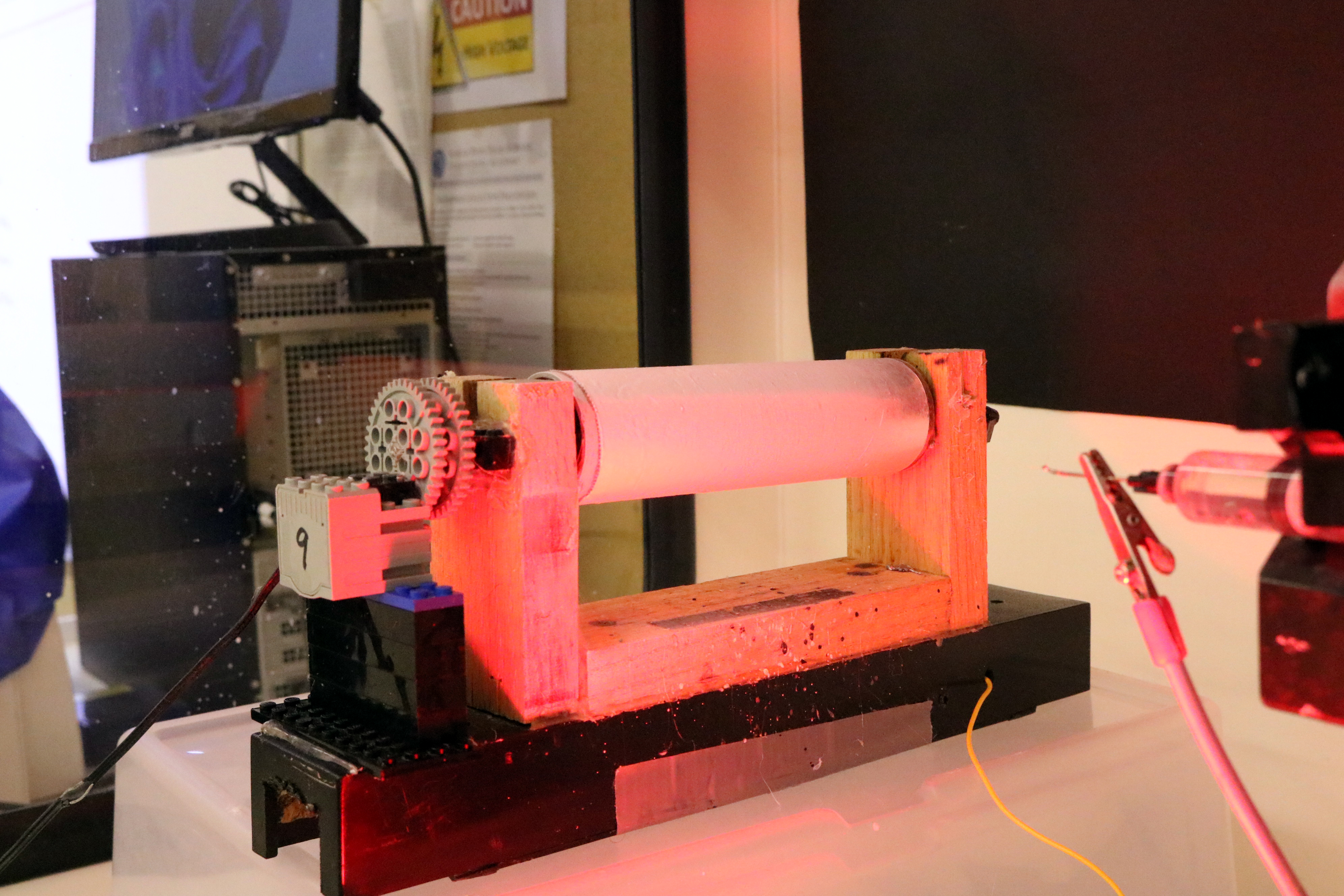
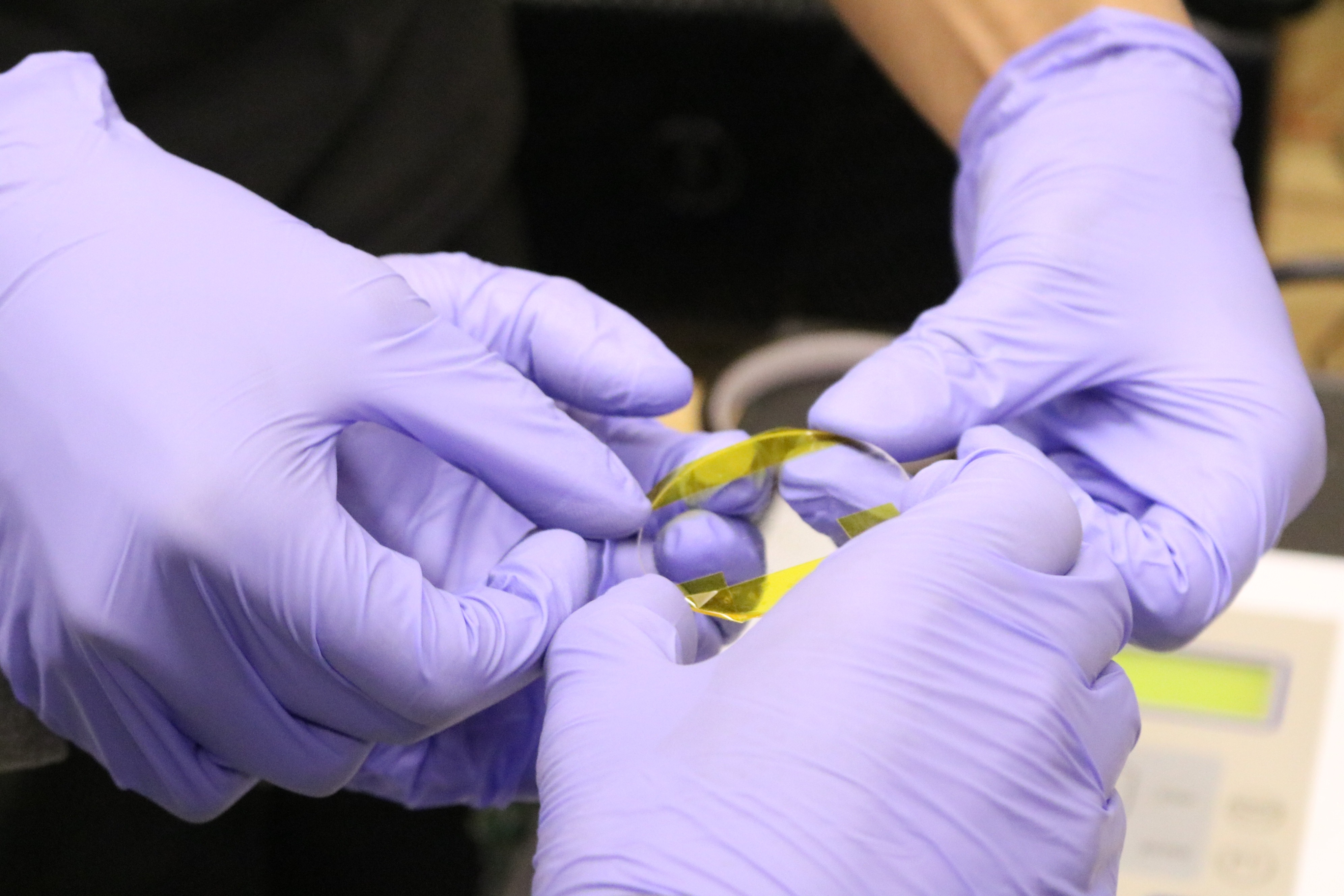
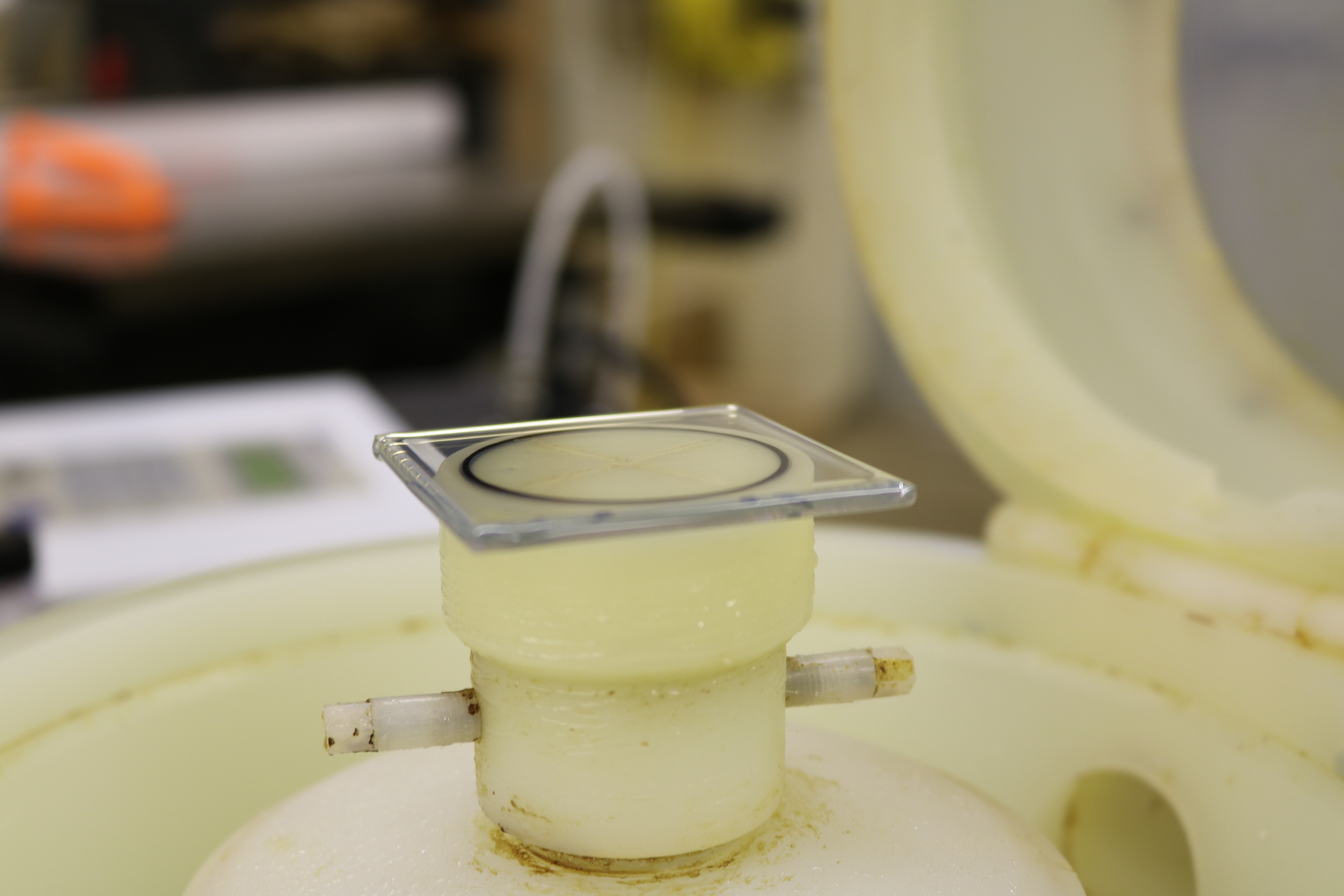
Current energy
production methods account for approximately 72% of air pollution,
causing 99% of people to breathe air exceeding the World Health
Organization standards. Of those methods, Hydrogen Fuel Cells
produce no harmful emissions. Further improvements in Hydrogen Fuel
Cell efficiency would make them widely used across the world, thus
having better effects on the environment.
IMAGE GALLERY
Team Name: Image 01
Team Name: Image 02
Team Name: Image 03
Team Name: Image 04
Team Name: Image 05
Team Name: Image 06
Team Name: Image 07
Team Name: Image 08
Team Name: Image 09
Bioluminescence &
Sustainable Lighting
Energy and Environment
Research and Development
MATERIALS
SCIENCE
RESEARCH
Shafic Henaidy |
Isabella Kee | Munem Khan
In modern society,
light is essential for human survival. All around the world, the
workday does not end at nightfall, creating the need for artificial
light. The electricity grid is crucial to providing lighting
solutions, but approximately 1.4 billion people cannot access it.
QuantumLux aspires to create an alternative light source,
independent from electricity, that is accessible and affordable to
people worldwide. Our research aims to empower underprivileged
communities and achieve global equity in access to light.
IMAGE GALLERY
Team Name: Image 01
Team Name: Image 02
Team Name: Image 03
Team Name: Image 04
Team Name: Image 05
Team Name: Image 05
Team Name: Image 05
Team Name: Image 05
Team Name: Image 05
Team Name: Image 05
Organic LEDs
Materials Science and
Engineering Research and Development
MATERIALS
SCIENCE
RESEARCH
Own Cary |
Ved Vyas
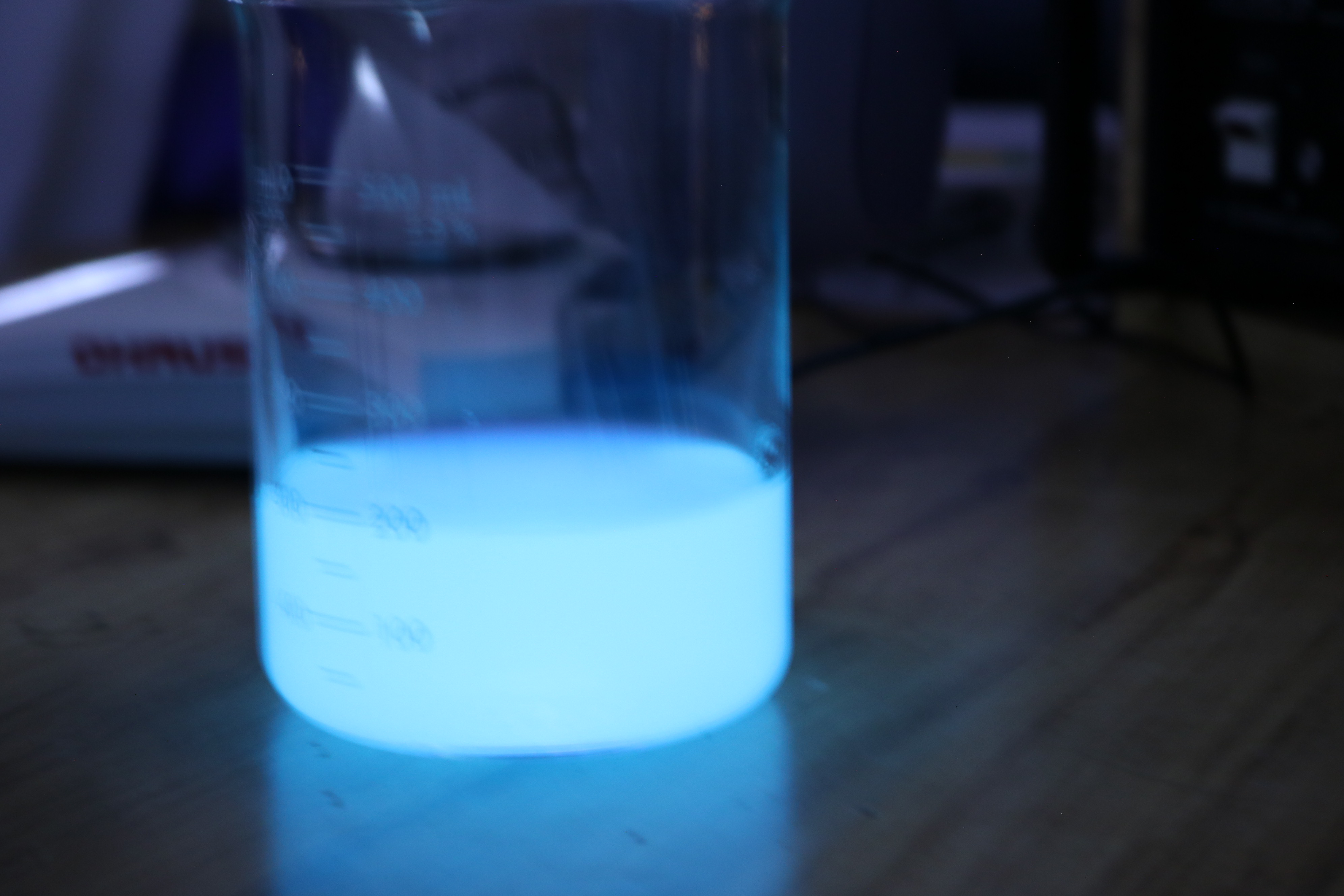
Despite the
widespread adoption of OLED displays, with about 900 million
products sold in 2023, these devices experience degradation from
moisture, heat, oxidation, and continuous operation. Since failure
rates reach about 50% after 5-10 years of typical usage, these
issues increase the maintenance and replacement costs for consumers
and manufacturers. Developing cost-effective solutions to improve
durability and resistance against environmental stressors is
essential to enhancing the competitiveness and lifespan of OLED
technology.
IMAGE GALLERY
Team Name: Image 01
Team Name: Image 02
Team Name: Image 03
Team Name: Image 04
Team Name: Image 05
Team Name: Image 05
Team Name: Image 05
Team Name: Image 05
Team Name: Image 05
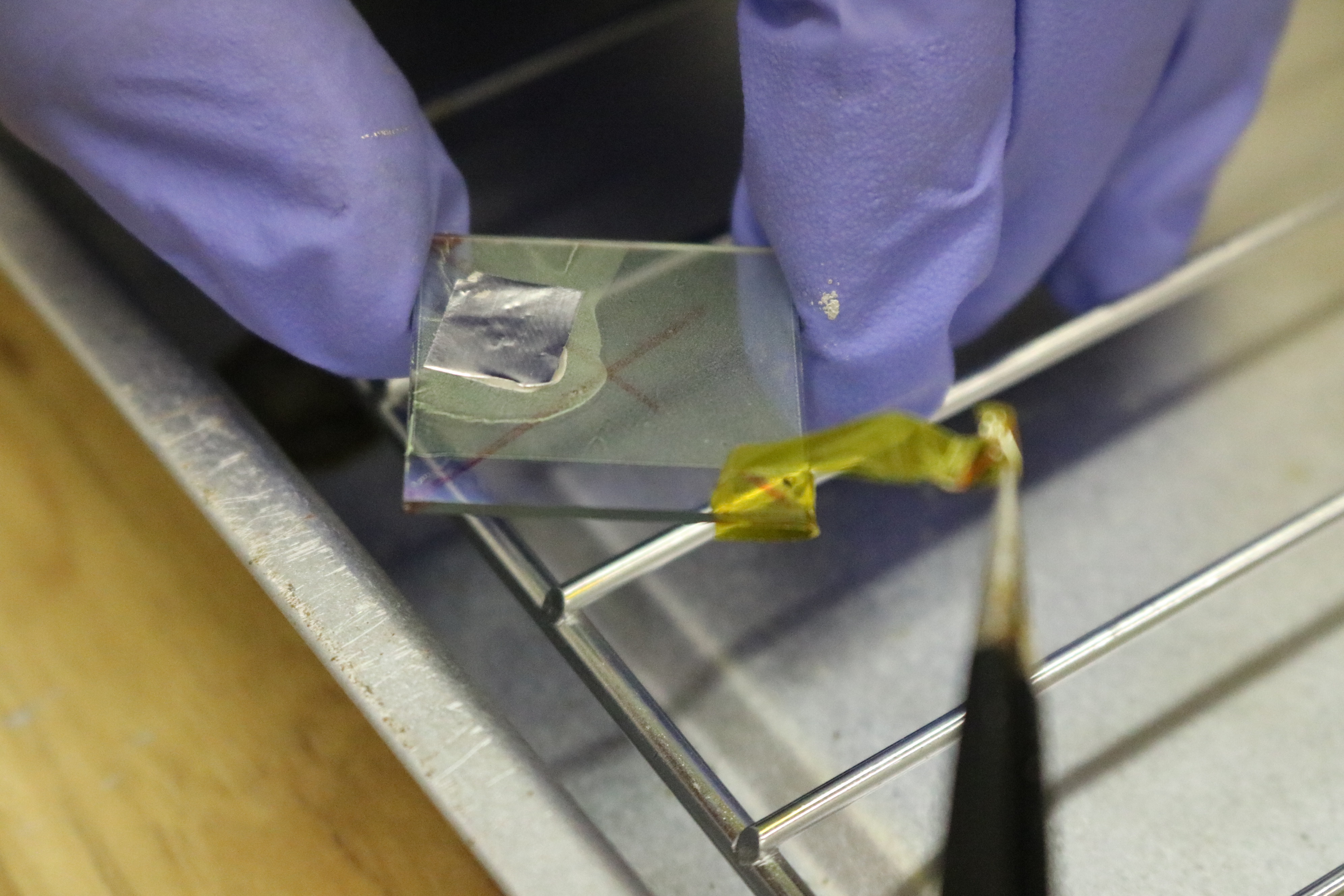
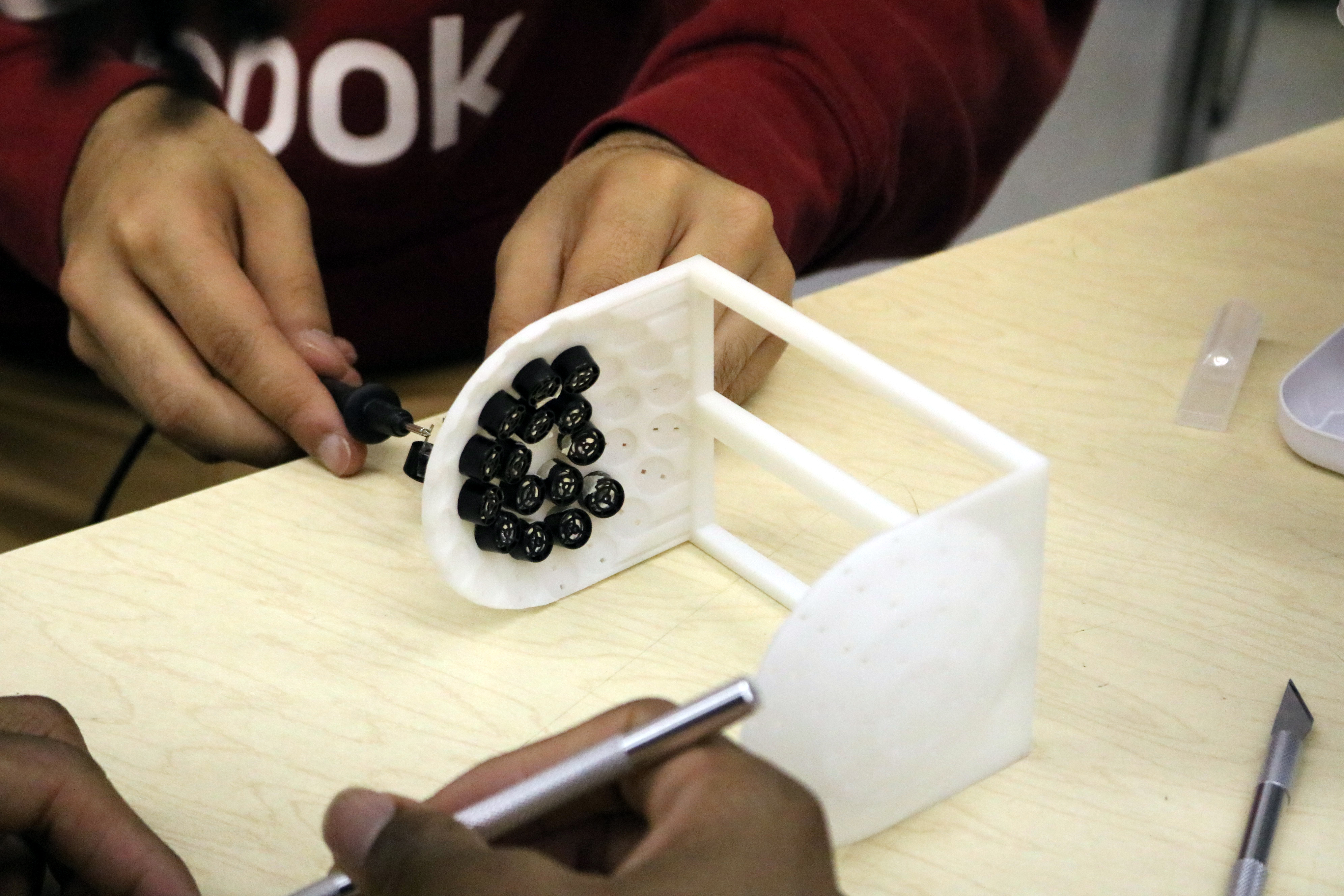
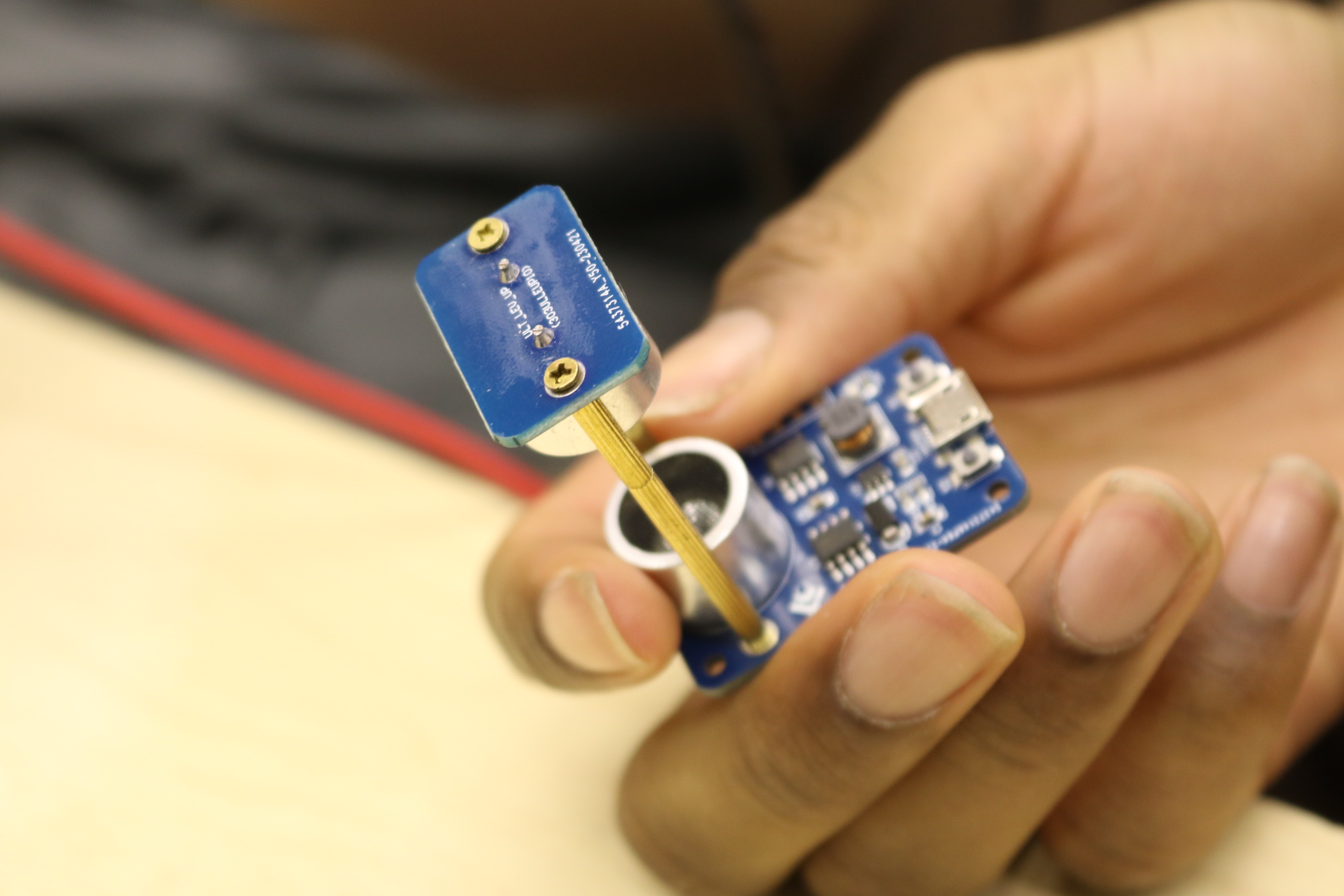
Acoustic Levitation
Materials Science and
Engineering Research and Development
MATERIALS
SCIENCE
RESEARCH
Dax Perry |
Jamir Watkins | Ayush
Yavagal
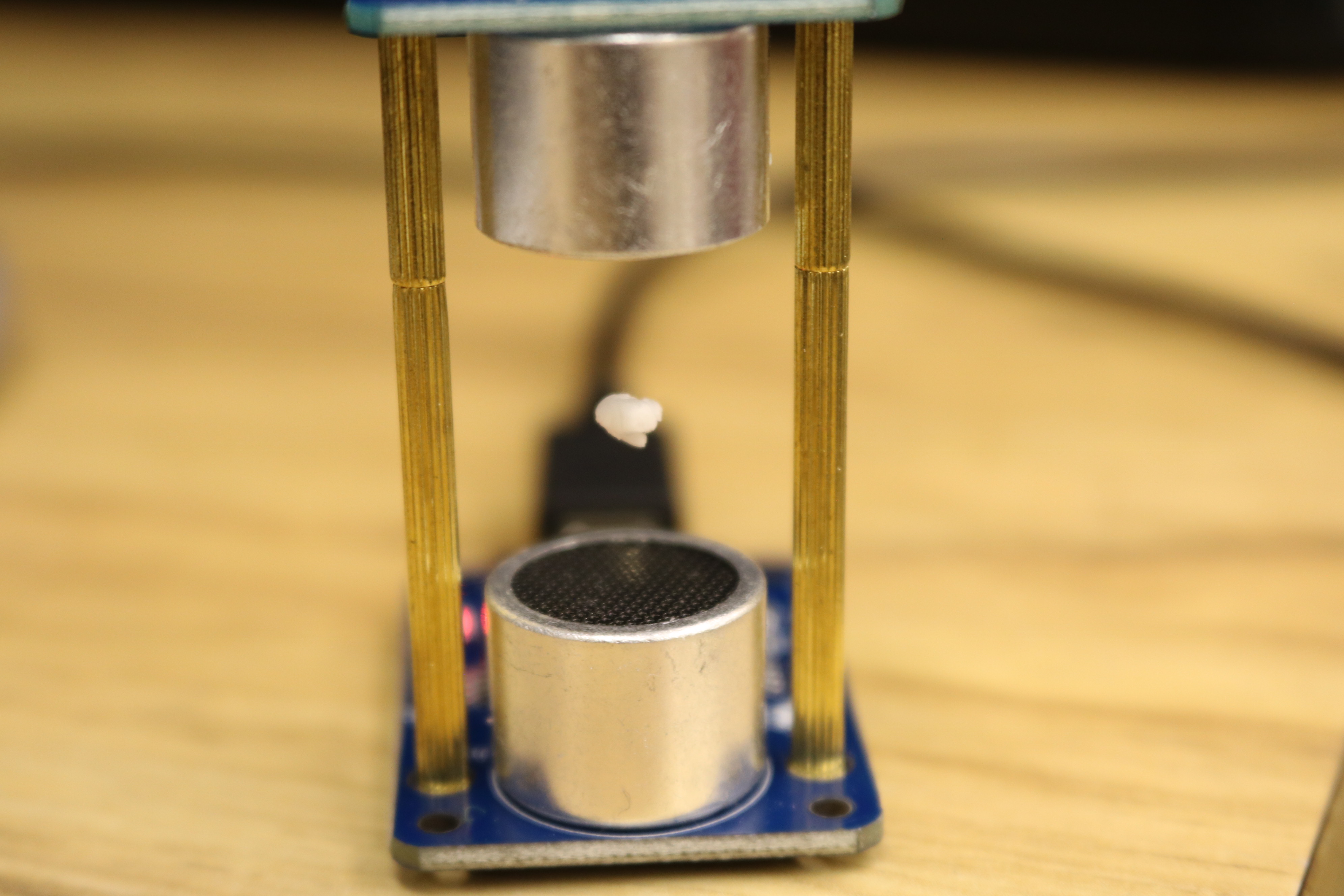
The current methods
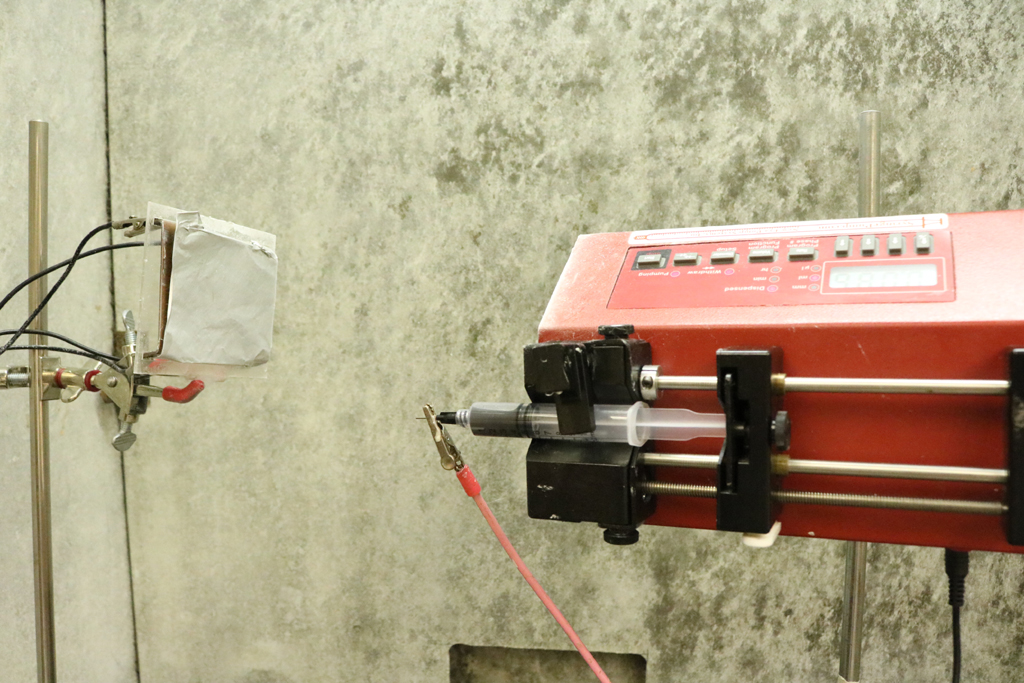
of electrospinning nanofibers are very unstructured, and attempts to
spin more precise fibers do not result in the necessary accuracy.
Without advancing in precise nano-scale fiber production, industries
would be economically stagnant with their current capabilities. To
continue advancing humanity’s technological prowess, it is necessary
to find viable, efficient ways to create precise nano-scale
structures for materials; since current methods either produce
fibers at too slow of a rate to be industrially viable or fail to
match the same nano-scale diameter of fibers produced by
electrospinning methods.
IMAGE GALLERY
Team Name: Image 01
Team Name: Image 02
Team Name: Image 03
Team Name: Image 04
Team Name: Image 05
Team Name: Image 06
Team Name: Image 08
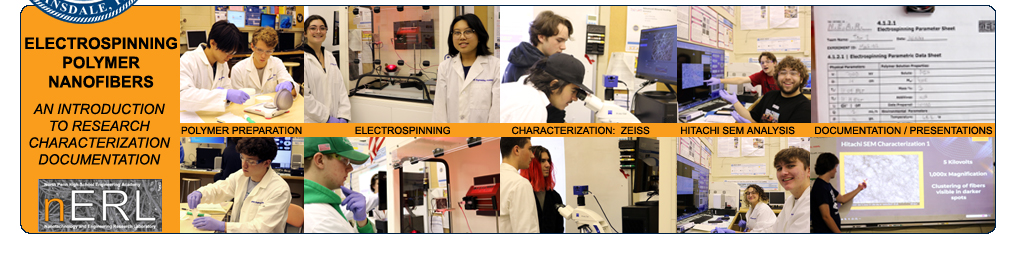
Energy Harvesting
Energy Research and
Development
ENERGY
RESEARCH
Ryan O'Donnell |
Vikesh Patel |
Adam Wauls
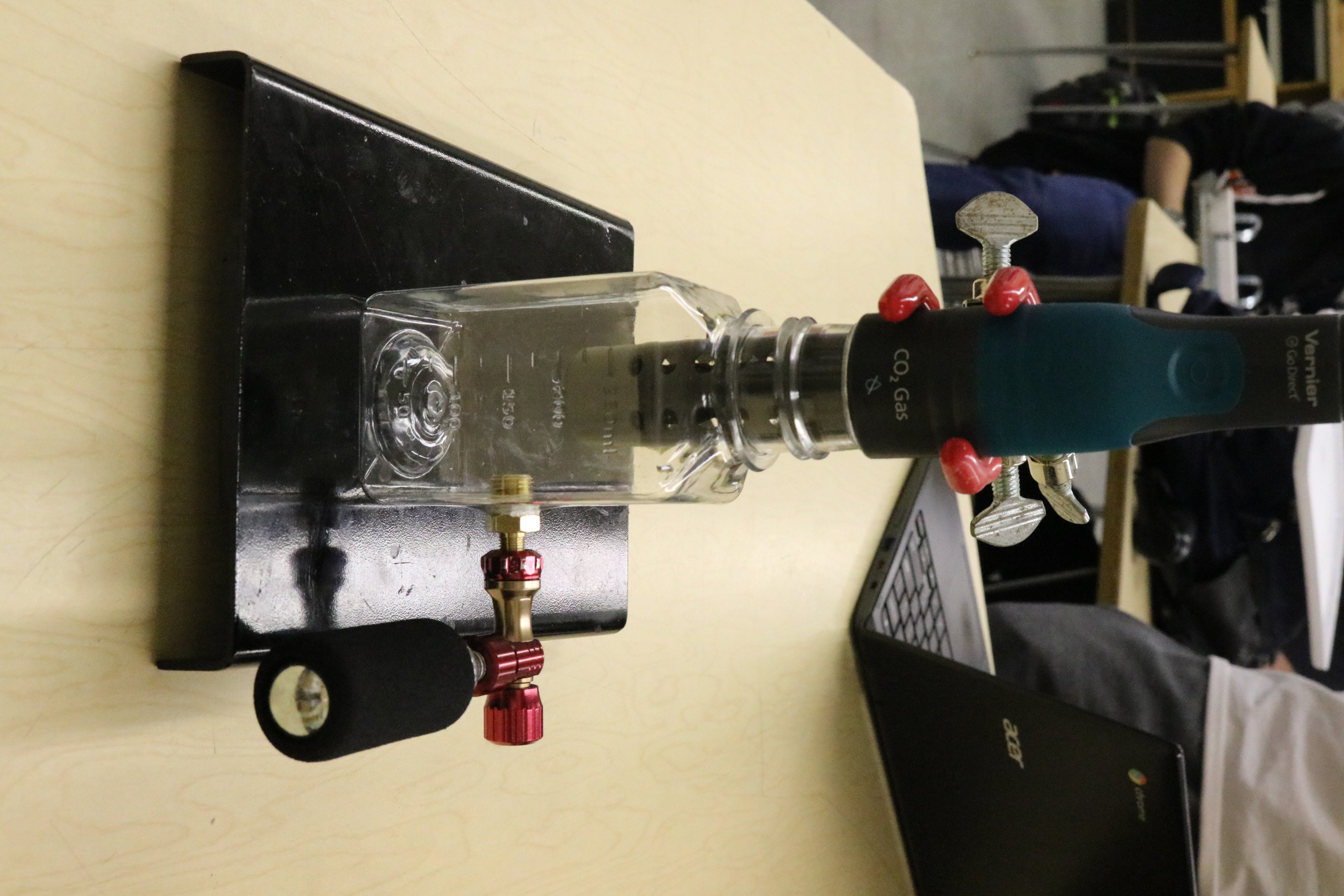
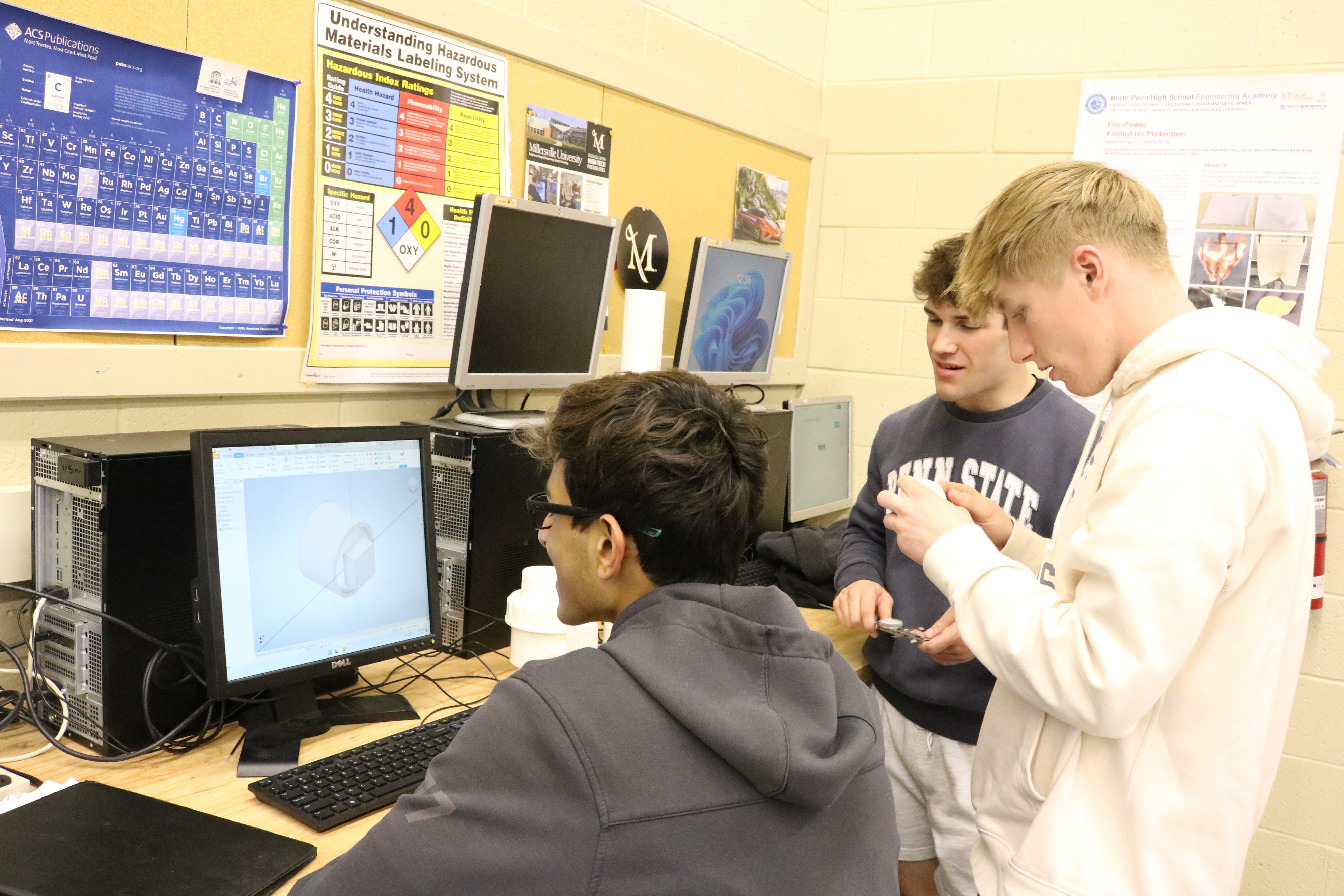
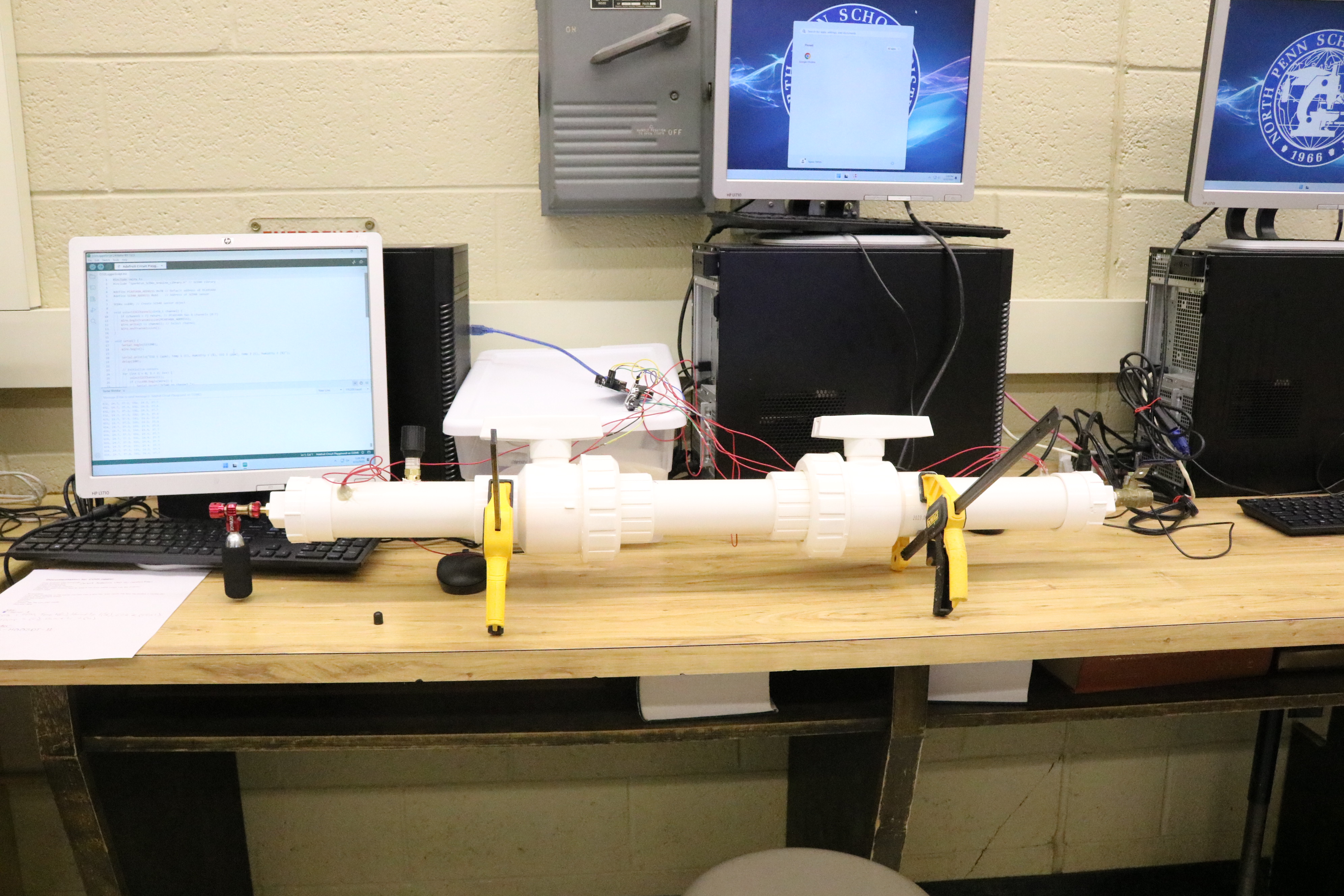
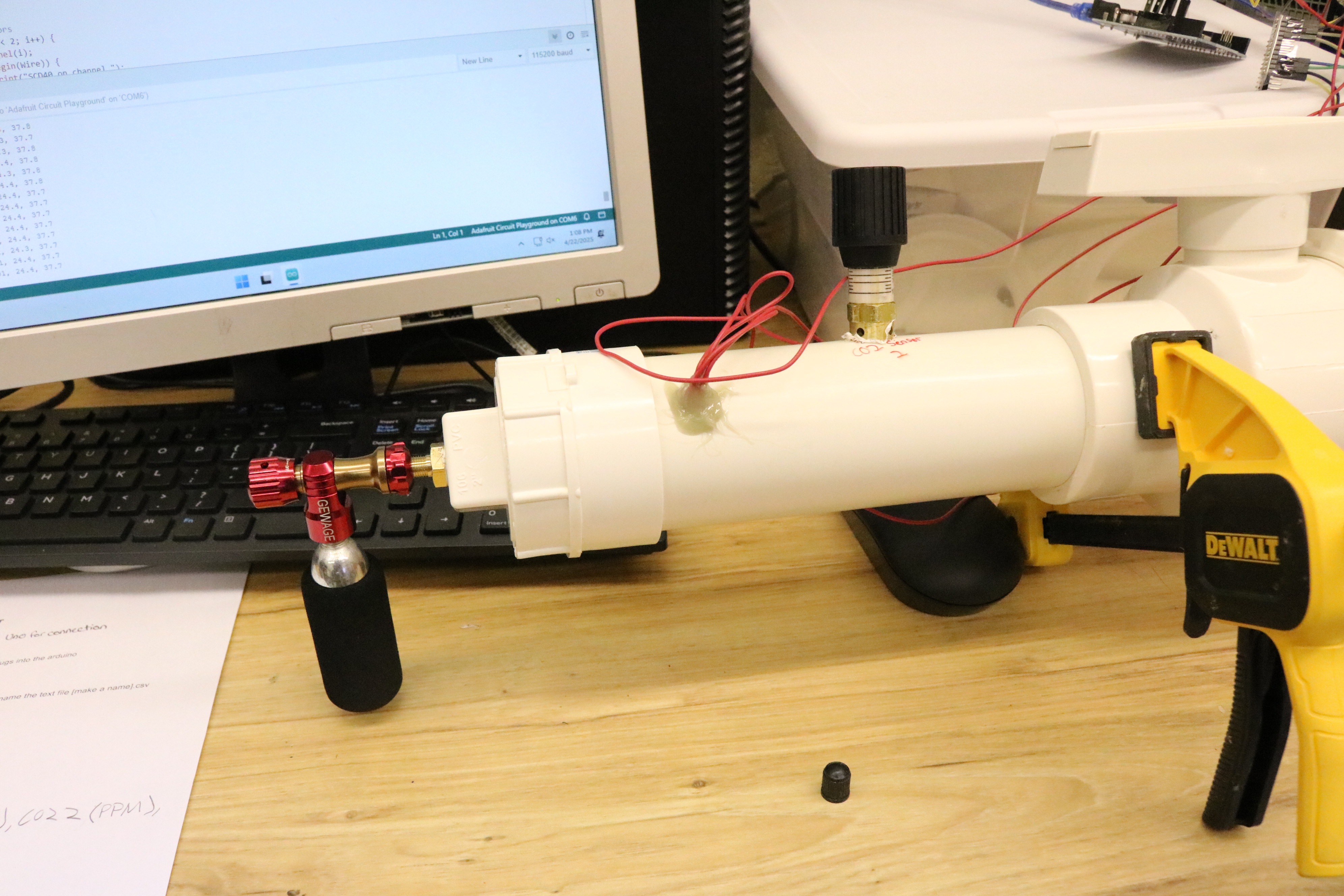
Irreversible damage
is being done to the Earth’s ecosystems due to an increase in
greenhouse gas emissions, specifically carbon dioxide. Over the last
couple of decades, CO2 emissions have spiked alarmingl), leading to
harmful consequences including almost 9 million air
pollution-related deaths in 2021. In an attempt to reverse these
negative effects and prevent the further degradation of our
atmosphere, additional research must be performed on the various
ways to decrease the extreme amounts of carbon dioxide in the
atmosphere.
IMAGE GALLERY
Team Name: Image 01
Team Name: Image 02
Team Name: Image 03
Team Name: Image 04
Team Name: Image 05
Team Name: Image 05
Team Name: Image 05
Team Name: Image 05
Team Name: Image 05
Carbon Capture and
Reduction
Environment Research and
Development
ENVIRONMENTAL
RESEARCH
Rafauel Armanious |
Nathan Pagnoni | Matthew
Pimpinella
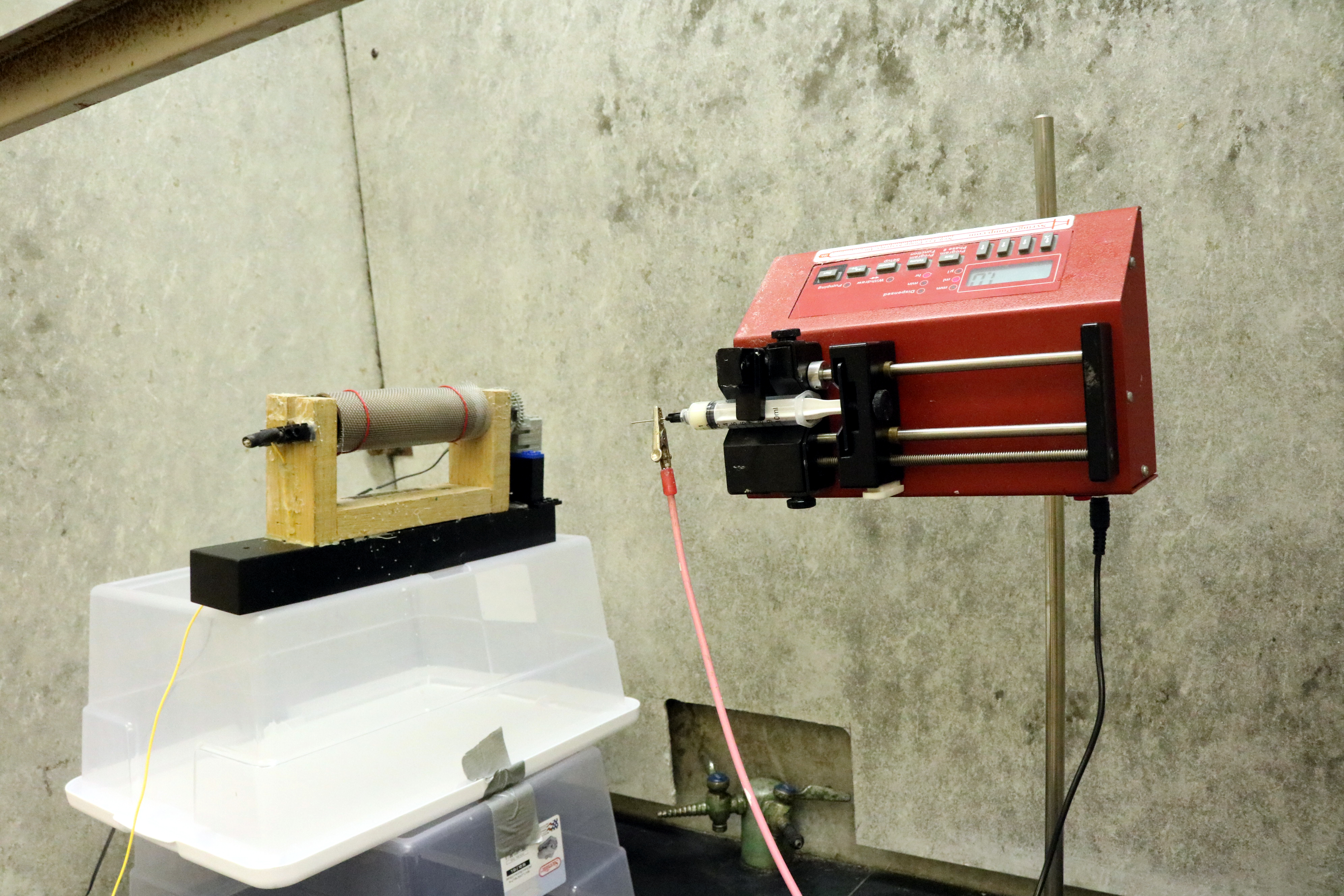
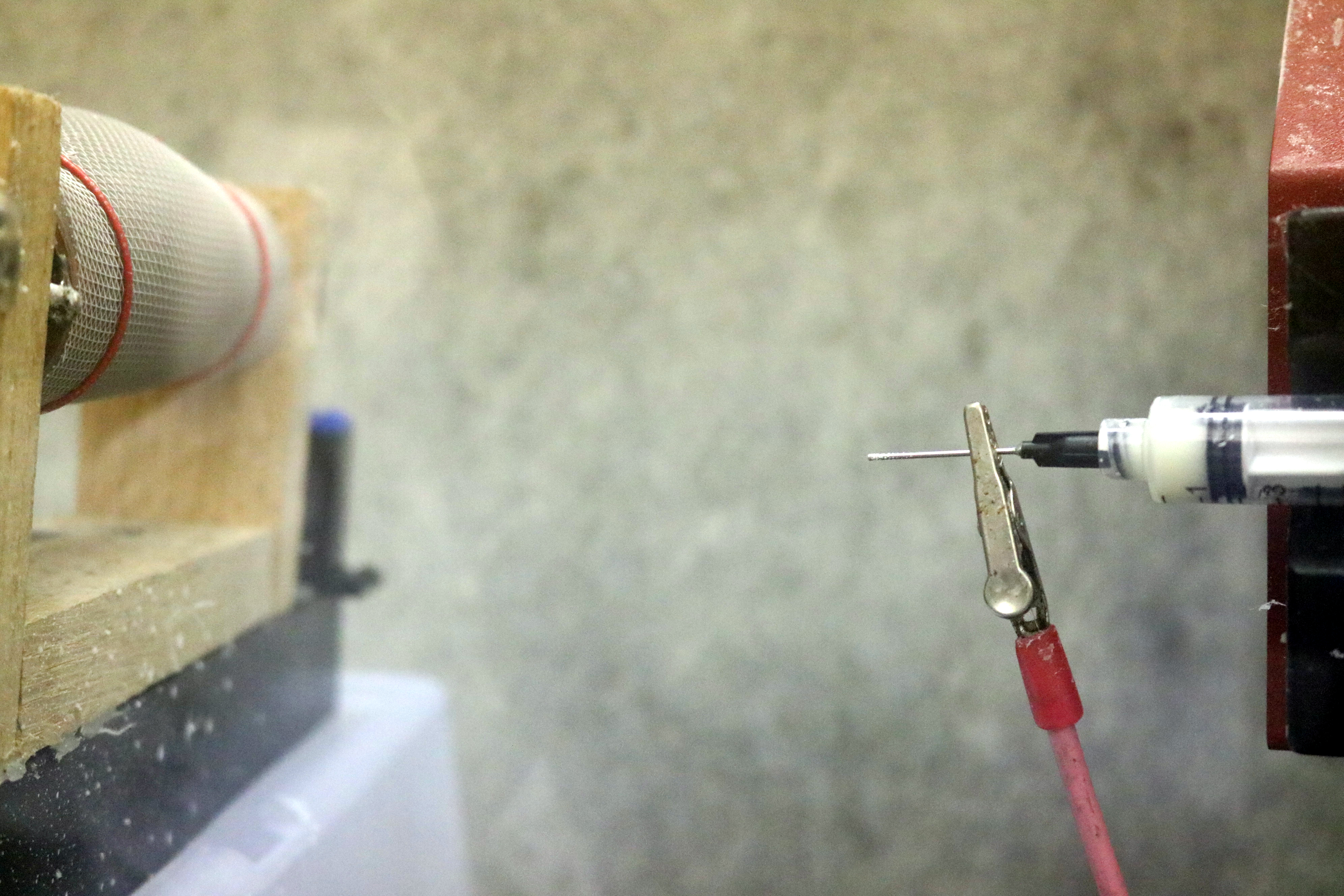
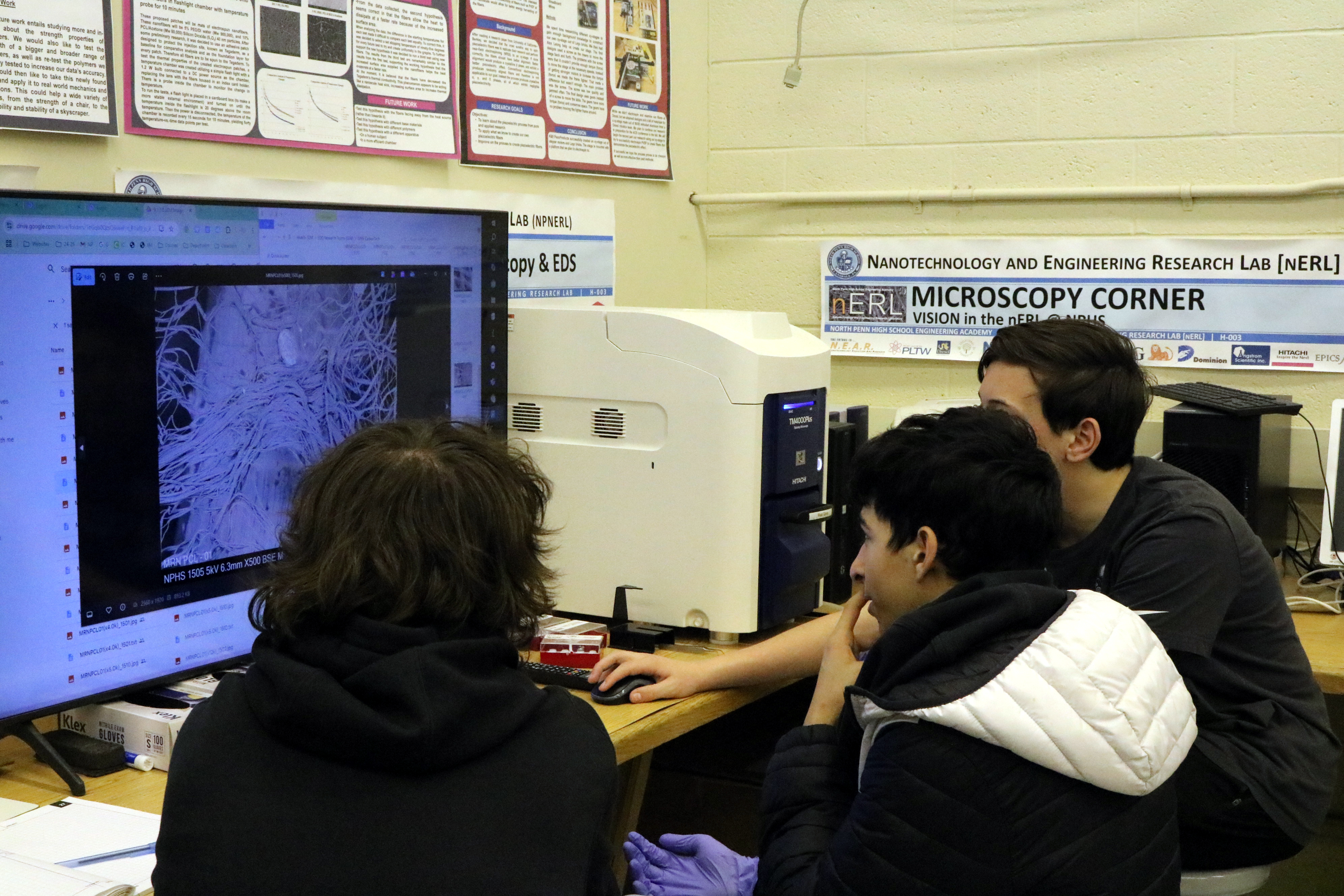
A balanced
environment, where the atmosphere regulates the ecosystem, is
critical to human existence. However, the extensive addition of
carbon dioxide gas will negatively impact humanity. If carbon
dioxide accumulates, the heating factor of the greenhouse gas effect
has changed and unbalanced our environment and will continue to do
so. Further research is required to advance and create methods to
prevent further carbon emissions and its harmful effects.
IMAGE GALLERY
Team Name: Image 01
Team Name: Image 02
Team Name: Image 03
Team Name: Image 04
Team Name: Image 05
Team Name: Image 05
Team Name: Image 05
Team Name: Image 05
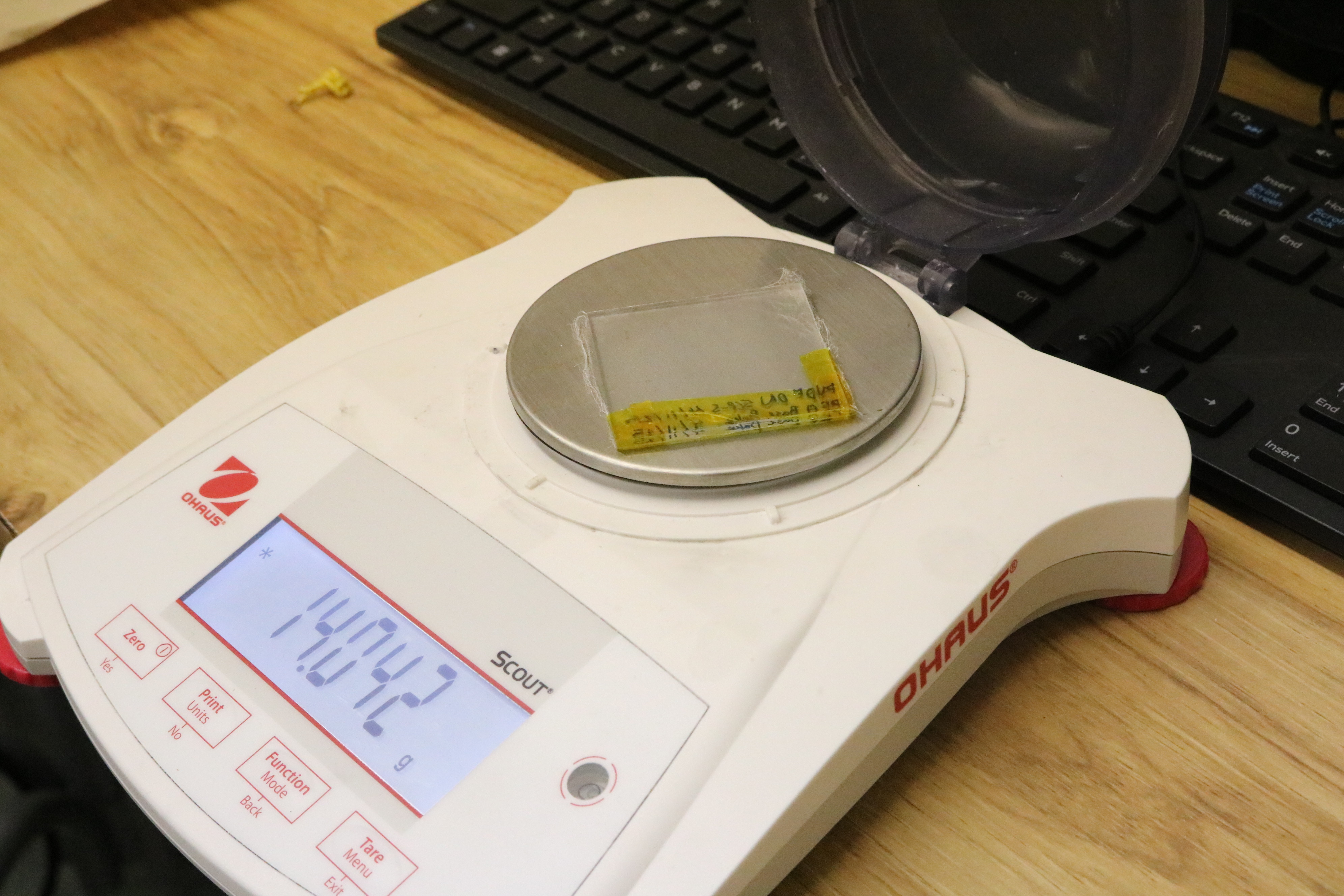
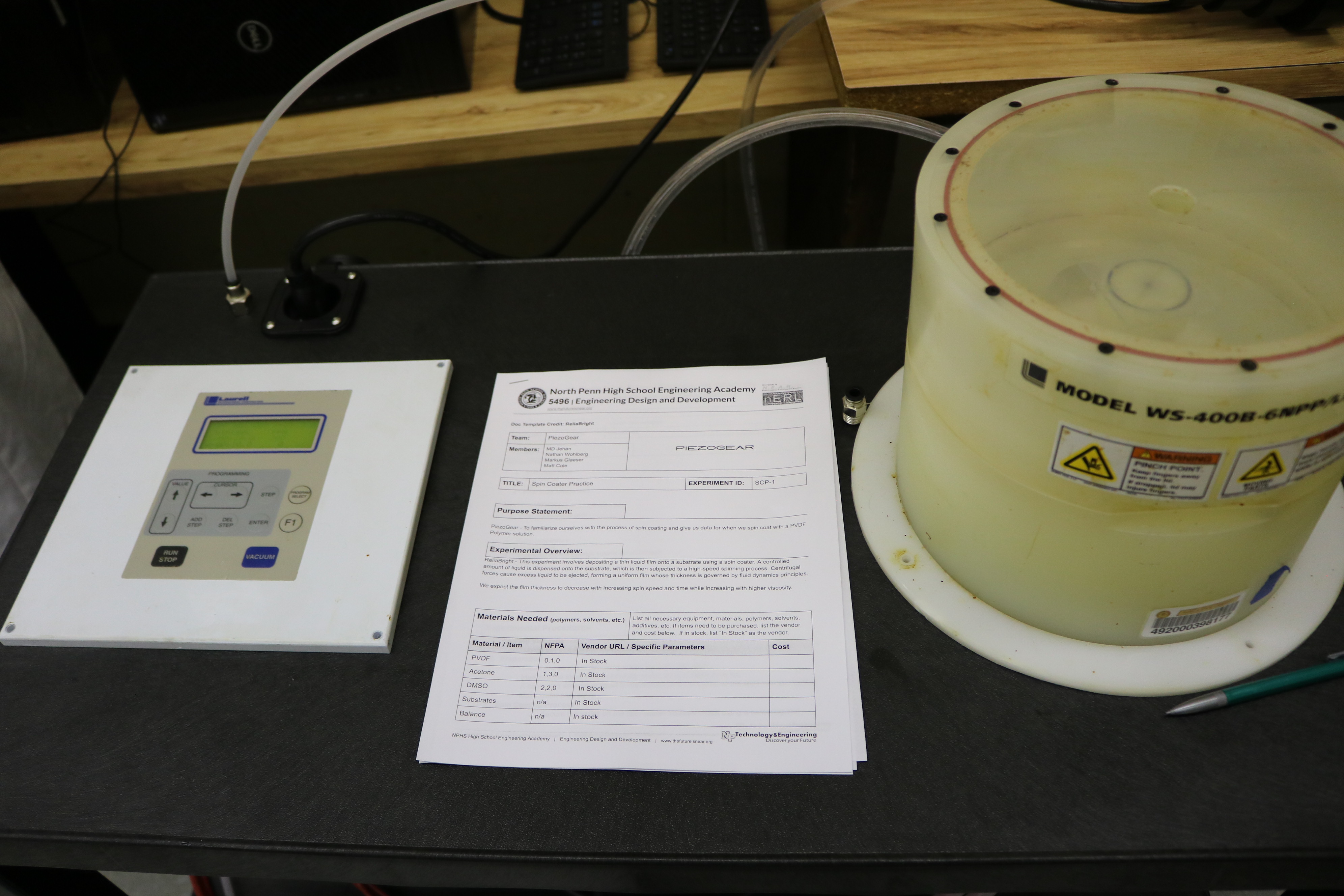
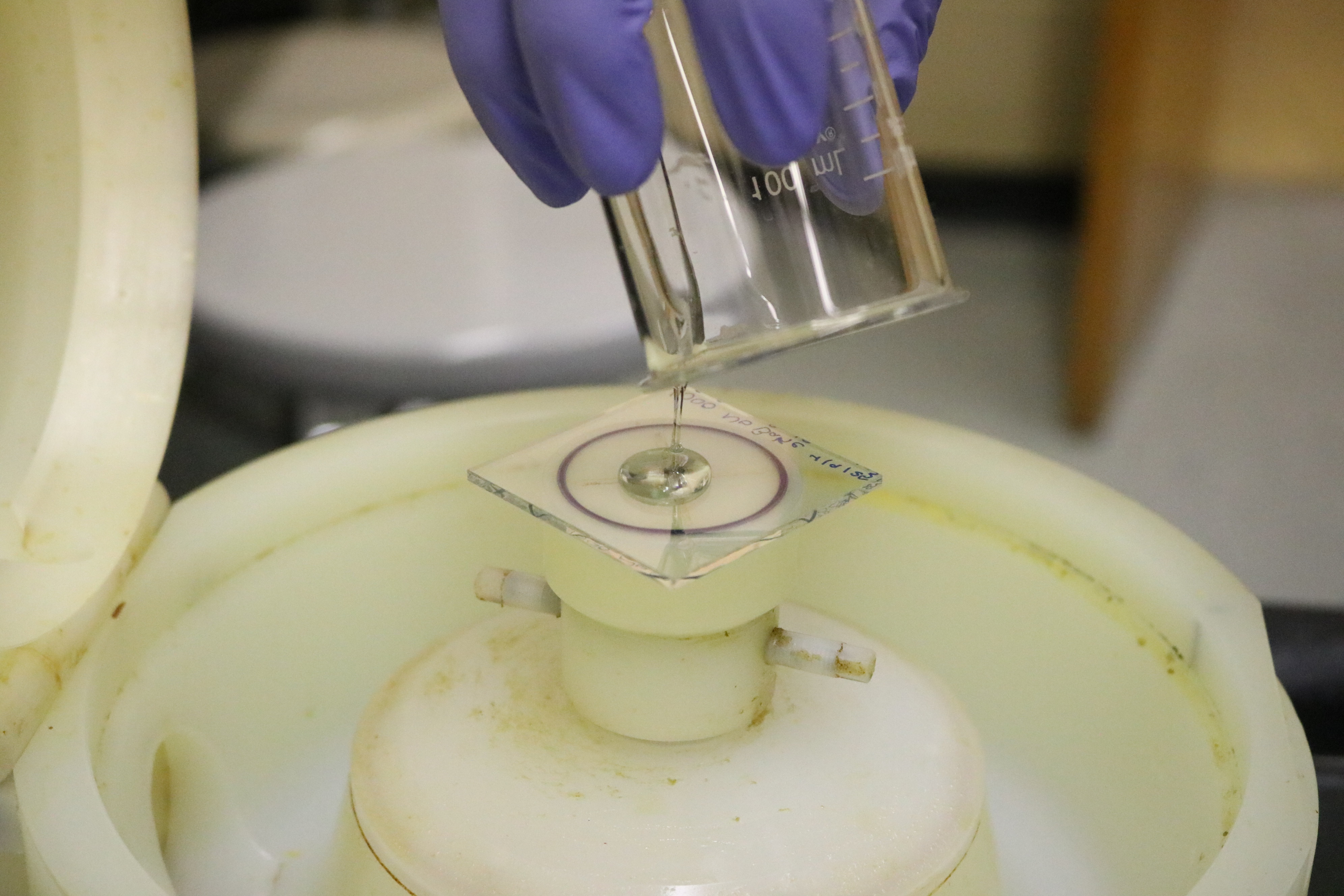
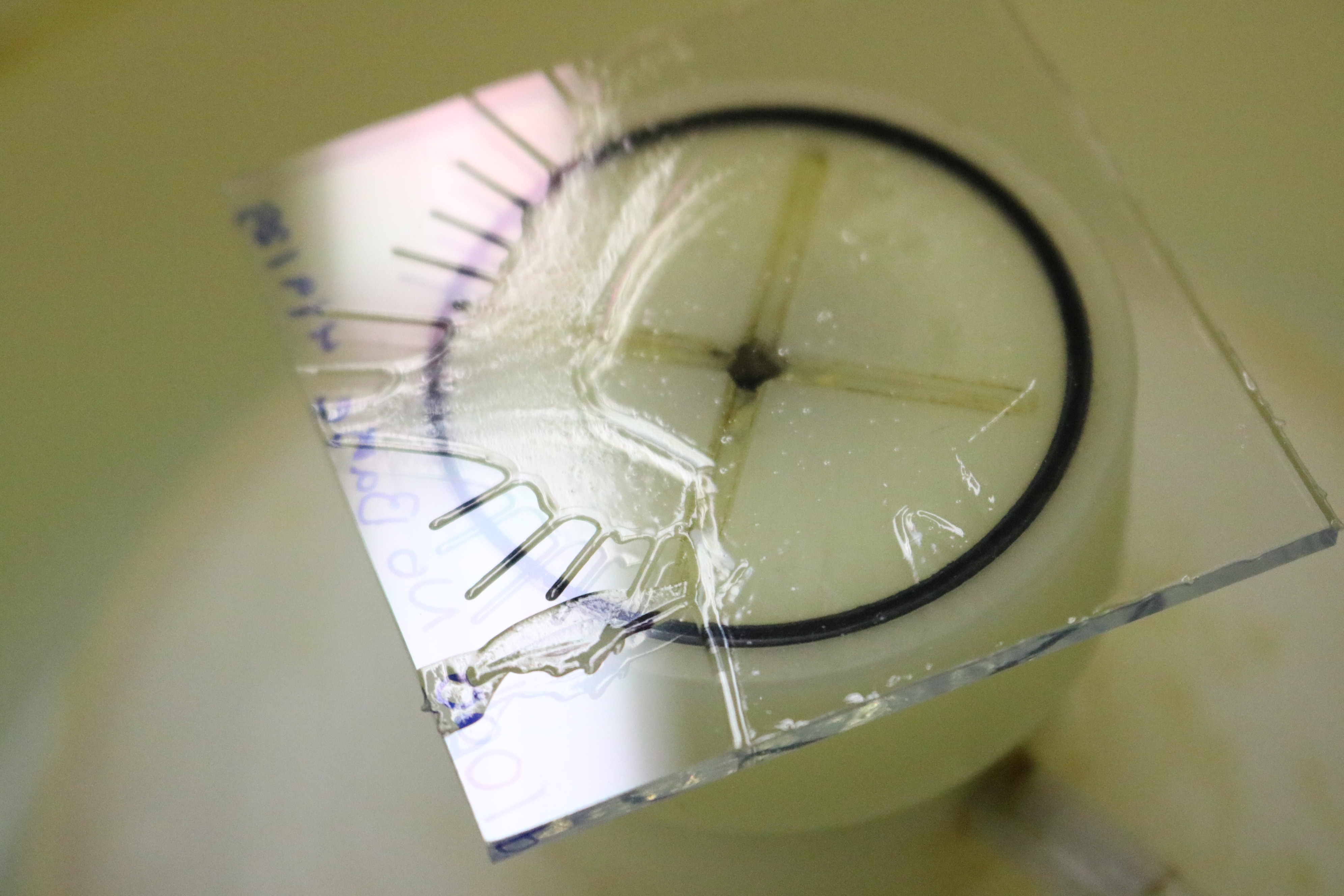
Piezoelectric Energy
Harvesting
Energy Research and
Development
ENERGY
RESEARCH
Matthew Cole |
Markus Glaeser | Md Jehan
|
Nathan Wohlberg
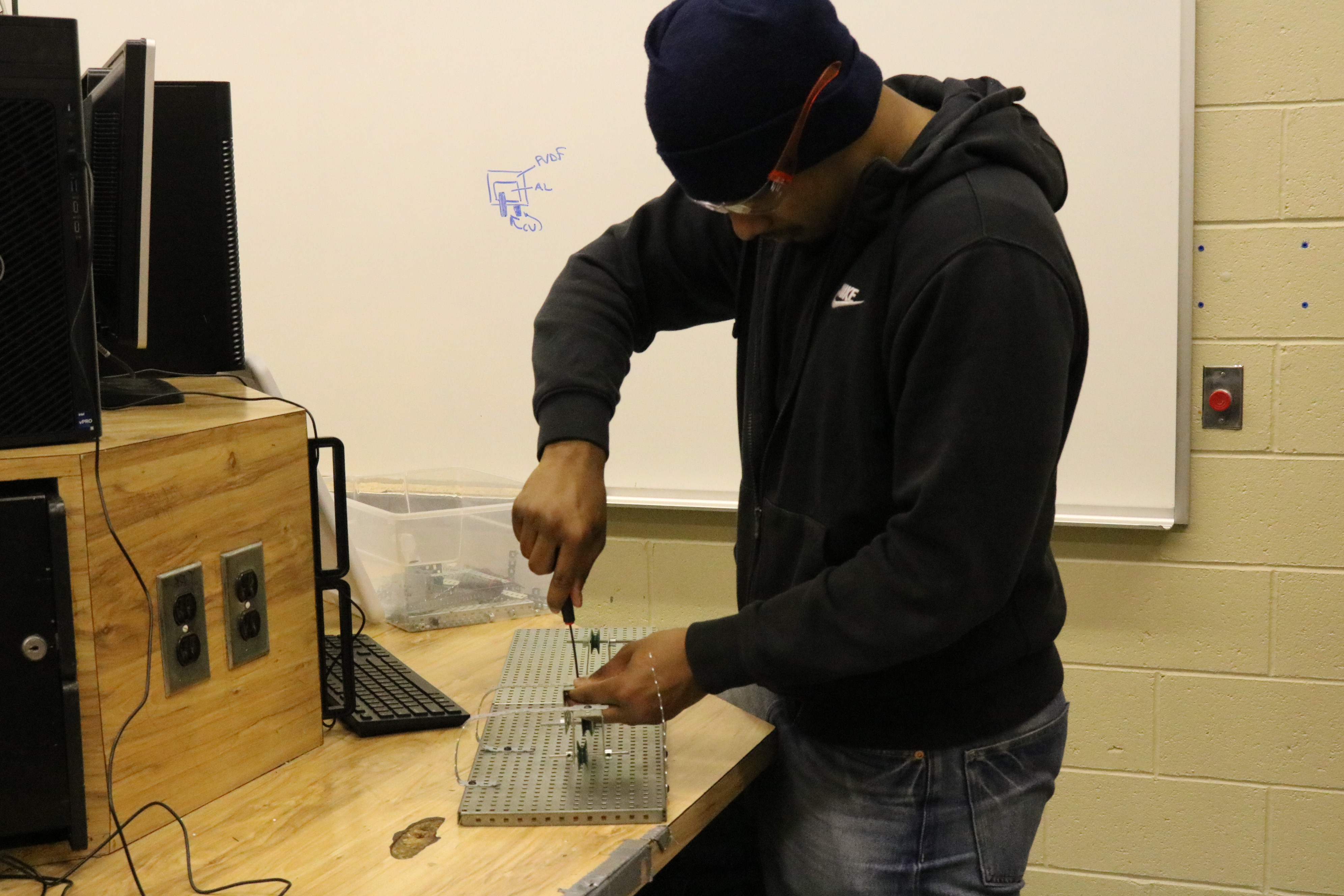
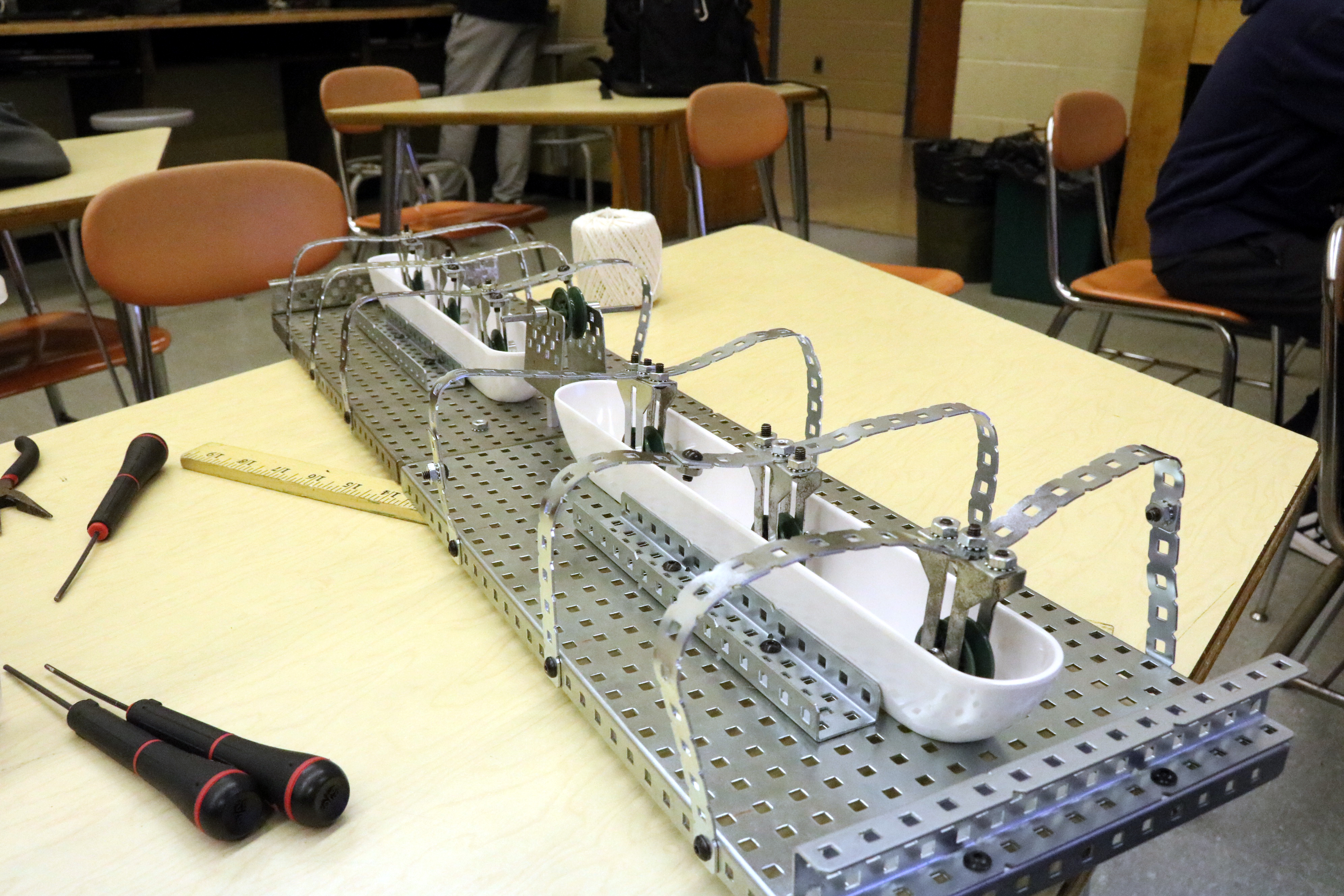
In the energy-hungry
world of today, a significant amount of kinetic energy generated by
passive human movements remains untapped and wasted. Nevertheless,
it's still possible to harvest this energy with the correct
technologies. Without further research and development, energy
inefficiencies are perpetuated and advancements are delayed in
self-sustaining systems that could significantly improve
convenience, reduce reliance on traditional power sources, and
support global sustainability goals.
IMAGE GALLERY
Team Name: Image 01
Team Name: Image 02
Team Name: Image 03
Team Name: Image 04
Team Name: Image 05
Team Name: Image 05
Team Name: Image 05
Team Name: Image 05
Team Name: Image 05
Team Name: Image 05
Team Name: Image 05
Team Name: Image 05
Team Name: Image 05
Team Name: Image 05
Team Name: Image 05
Team Name: Image 05
Team Name: Image 05
Team Name: Image 05
Team Name: Image 05
Team Name: Image 05
Team Name: Image 05
Team Name: Image 05
Energy Storage
Materials Science and
Engineering Research and Development
MATERIALS
SCIENCE
RESEARCH
Evan Rosica |
Landon Welch
Increasing the
storage capacity of large-scale batteries for electrical
transportation and widespread power grid application would
significantly reduce carbon emissions and slow the progression of
climate change. Improving the battery capacity of electric vehicles
would decrease fossil fuel reliance both commercially and
domestically. Greater storage at the power grid level would allow
more widespread use of renewable energy sources. Inadequate
electrical storage capacity also necessitates the use of
gasoline-powered motor vehicles, which are both personal daily-use
cars and large semi-trucks. The loss of electricity generated from
renewable sources due to lack of storage ability reduces the
possibility of their widespread application. Motor vehicles account
for 28% of all carbon emissions in the U.S.A., and electrical power
generation accounts for 25%. A necessary goal of finding
improvements to the storage and transportation of generated
electricity will cut emissions of these fields and be integral in
halting the progression of climate change.
IMAGE GALLERY
Team Name: Image 01
Team Name: Image 02
Team Name: Image 03
2020 Virtual Symposium Video
COMING SOON!
More Past Research Team Endeavors To Come
Soon!
North Penn High
School Engineering Academy | 1340 S. Valley Forge Road
| Lansdale, Pa 19446 | 215.368.9800






















.jpg)










.jpg)