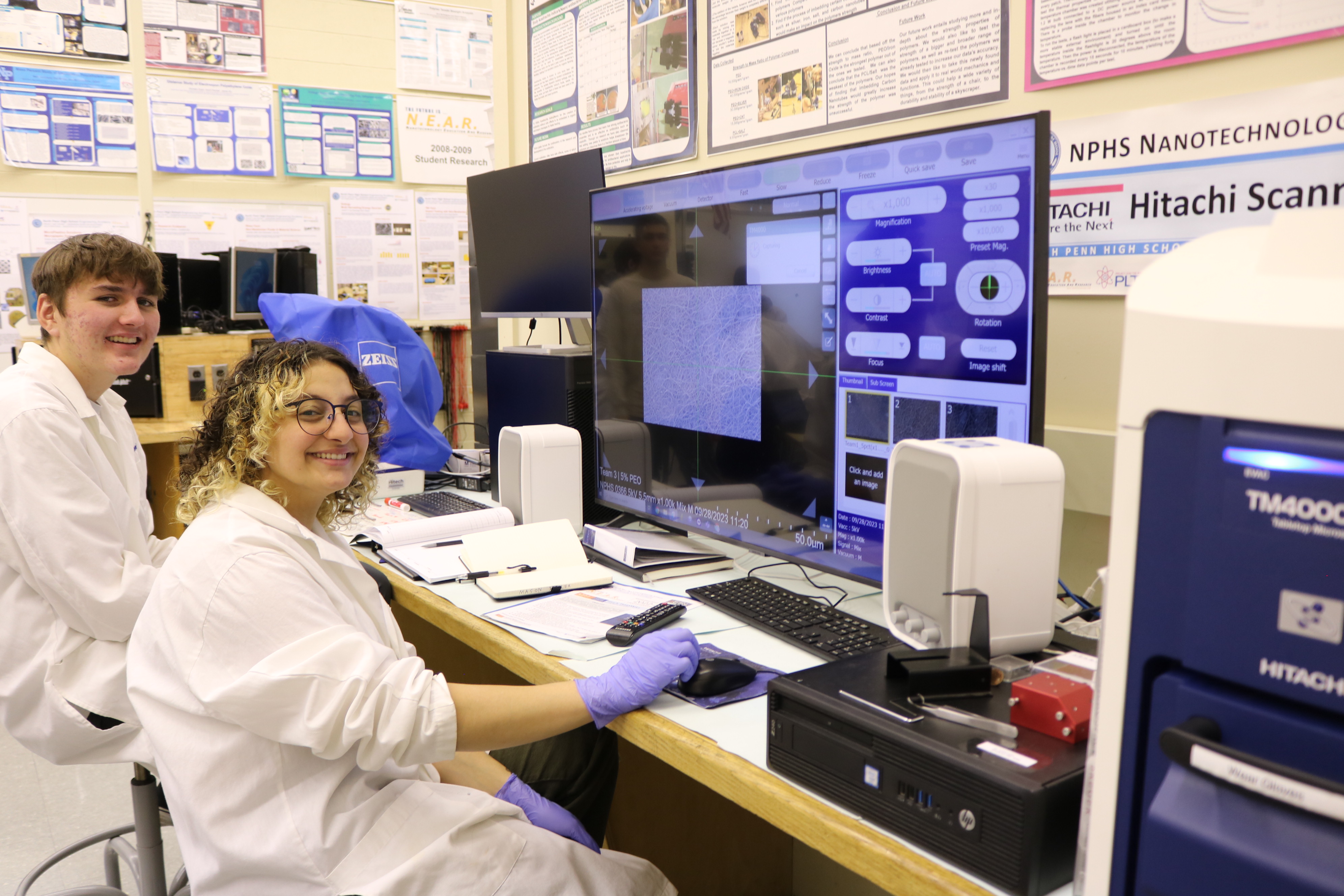
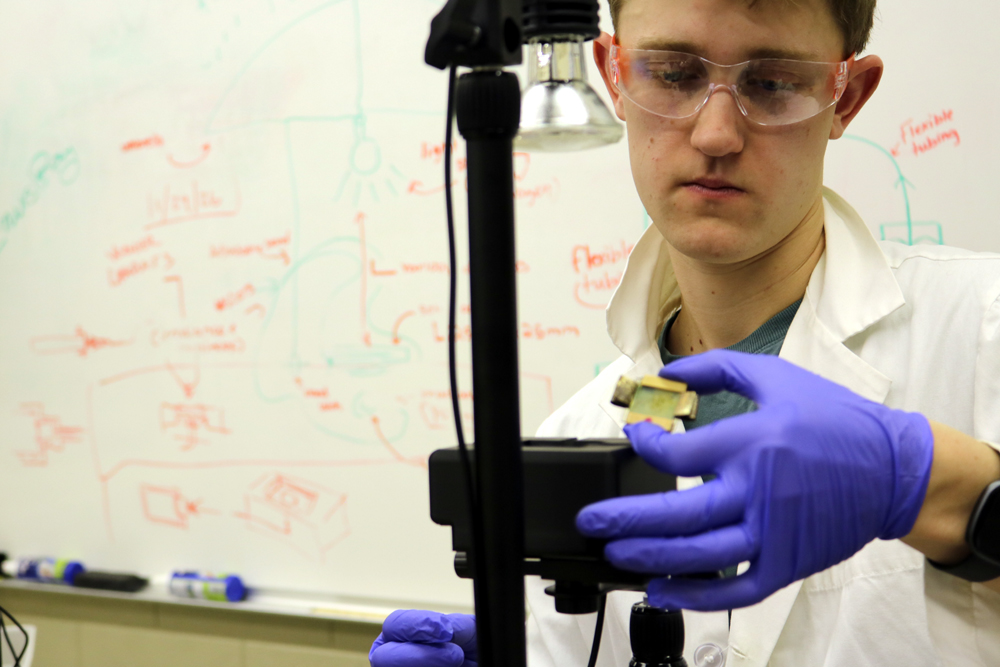
The Future is N.E.A.R. (Nanotechnology Education And
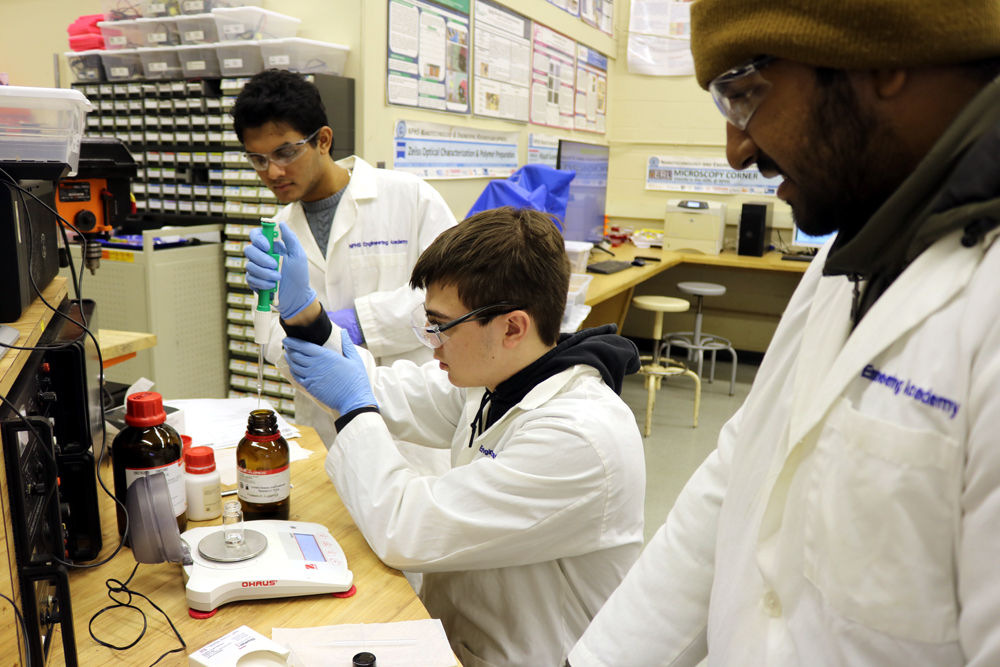
Research) program is an exciting STEM education
opportunity that allows
North Penn High School
students to perform research in the exciting world of
nanotechnology, experimental design, and engineering
research.
The program parallels the Engineering
Design and Development course (EDD) of the
Project Lead the Way
engineering academy and offers its students an opportunity
to gain 21st century STEM skills that prepares them to
become successful leaders in a global society.
READ MORE
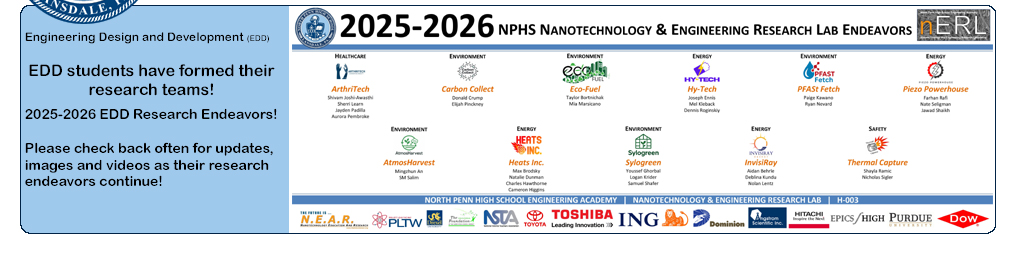
25-26 EDD Teams
NEWS 2
NEWS 3
NEWS 4
NEWS 5
NEWS 6
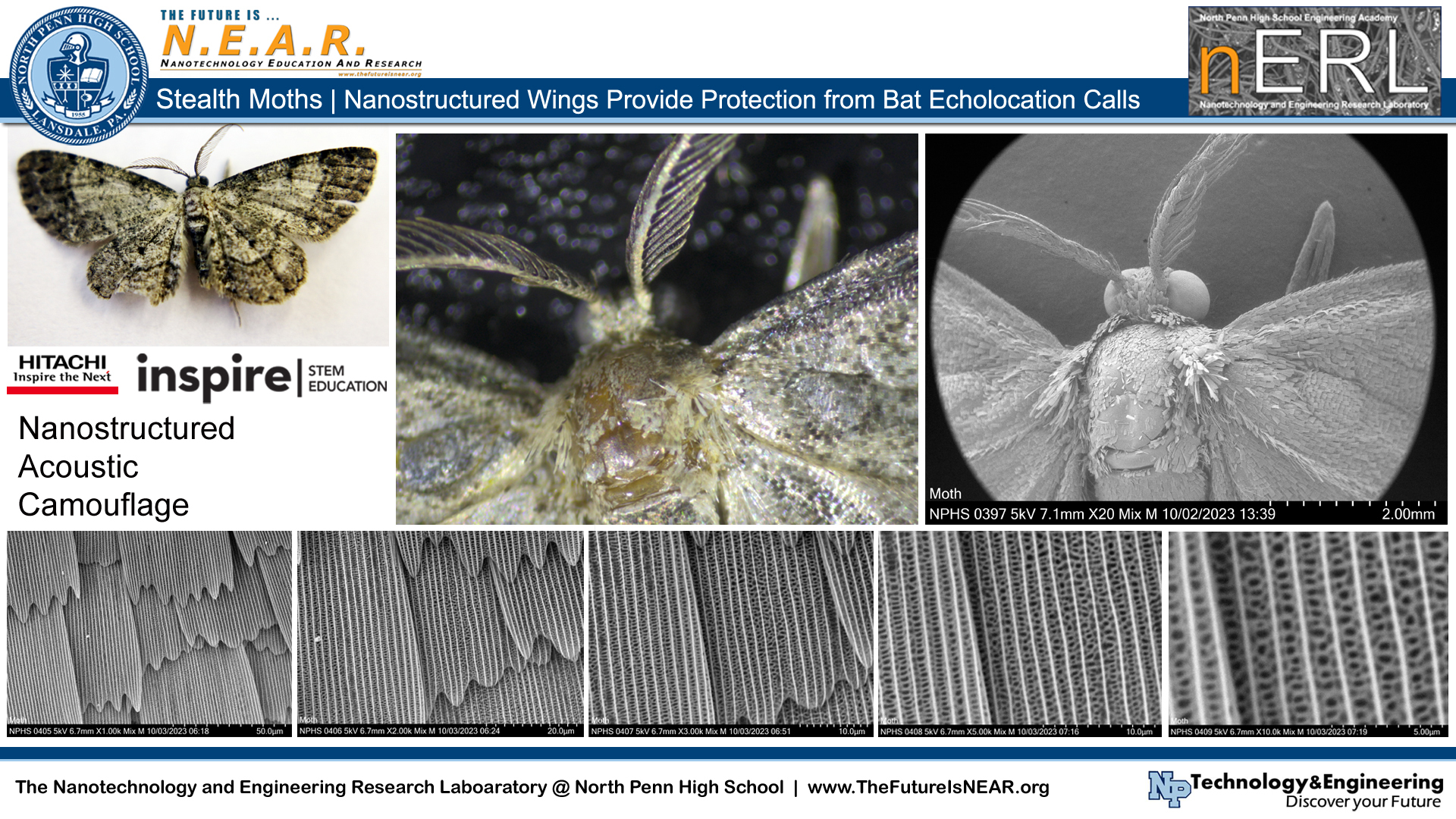
Structural Camouflage
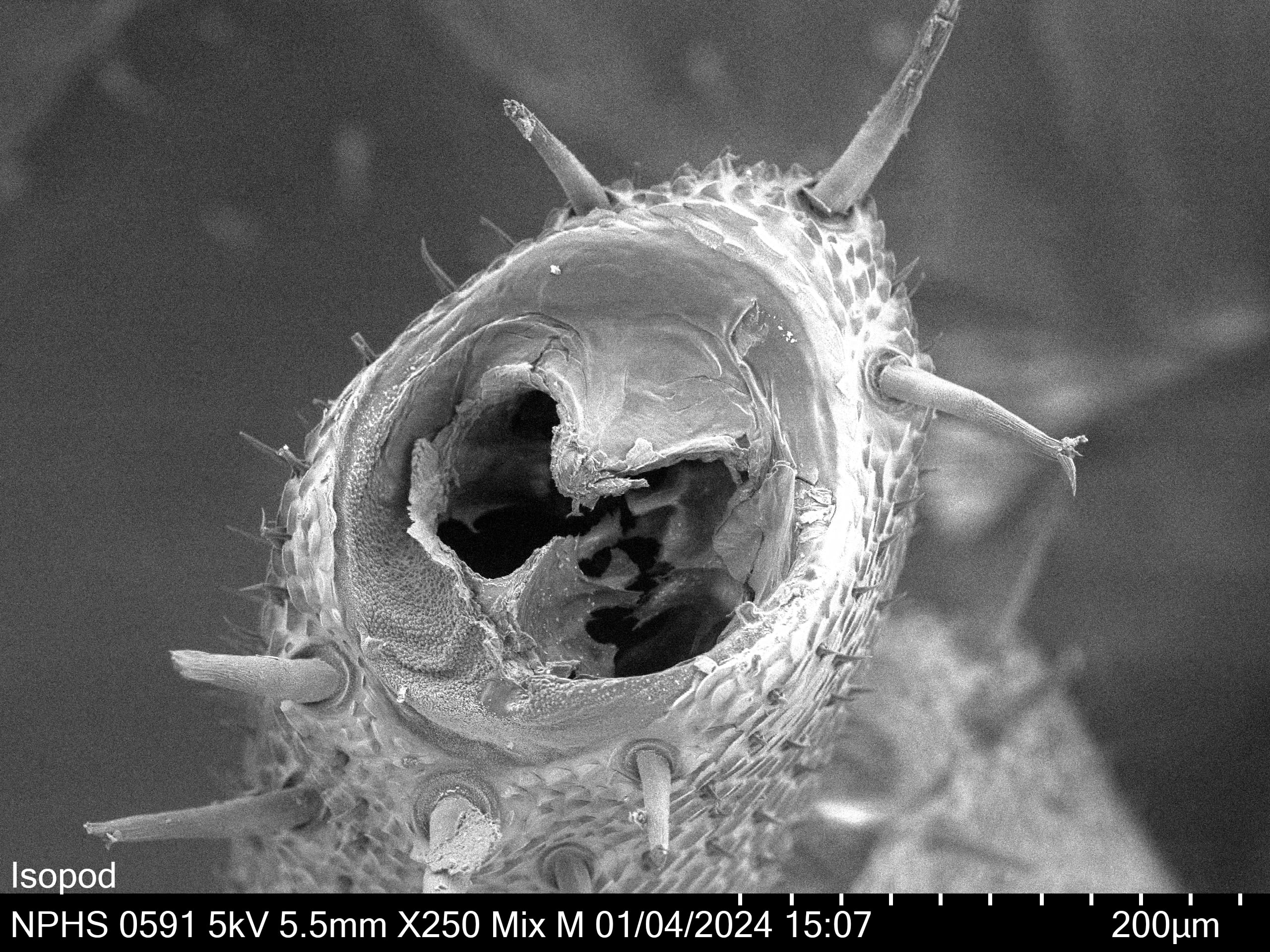
Isopod
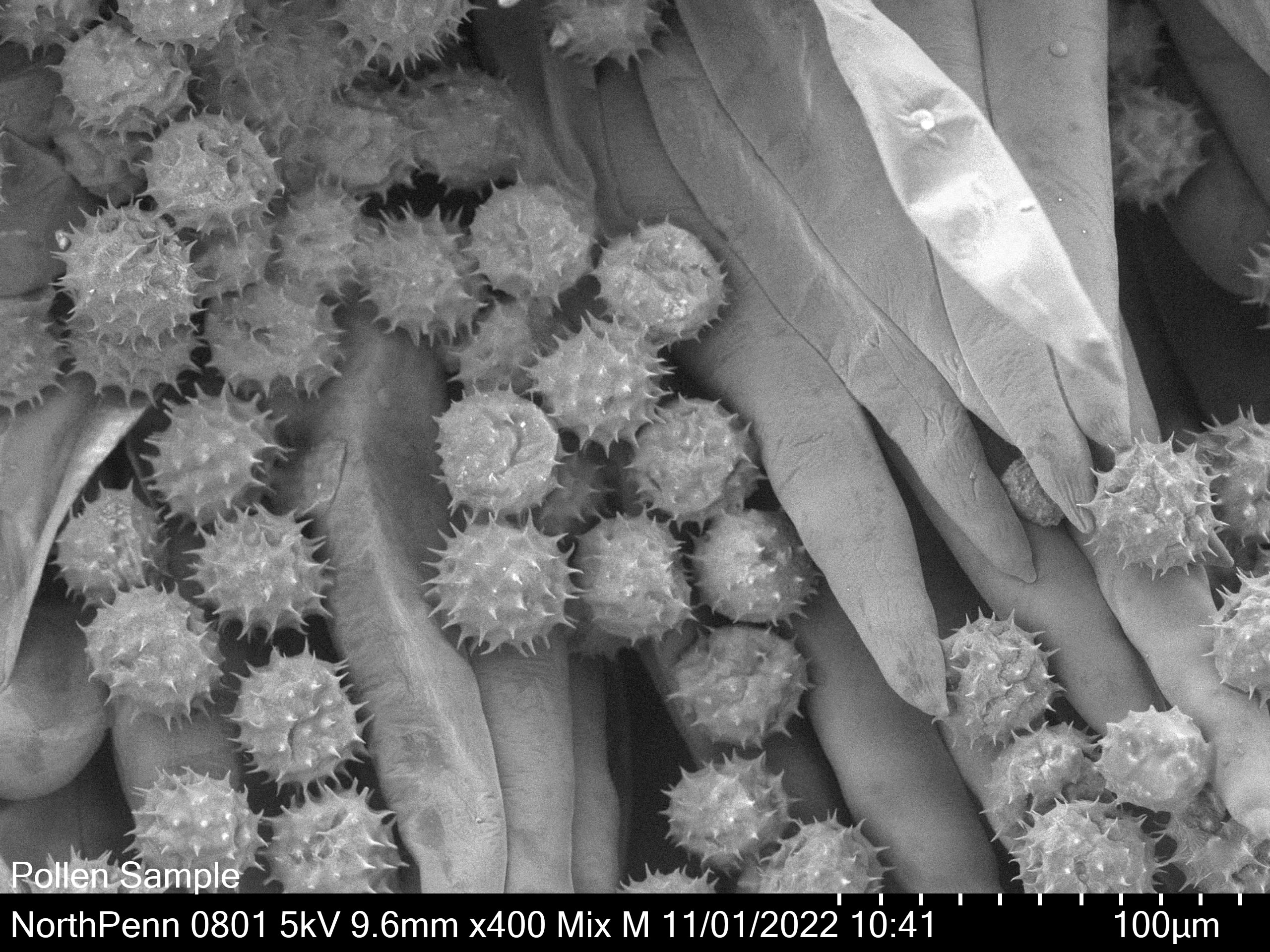
Pollen
Student Research
Student Research
This year, there
are 30 students in 11 research teams in
the Engineering Design and Development Capstone Course of the
North Penn High School Engineering Academy. The main
research endeavors that the students are involved with are
listed below. Many of the students within these teams
will also be performing various extended and supplementary
experiments. A team research section will be added to
the website soon to share various images and videos of the
students' research. Please check back often!
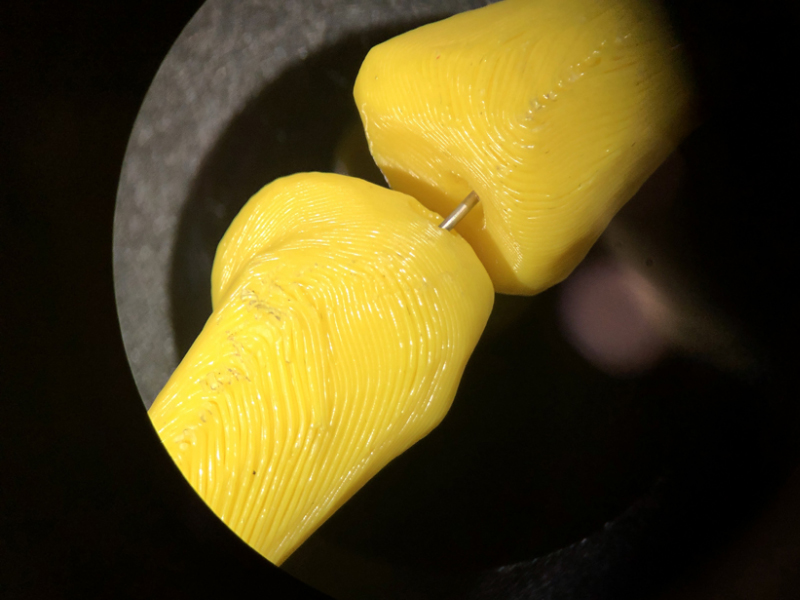
Cartilage Research and Development Tissue Engineering Modlable Scaffolds to Support
Chondrocyte Proliferation
One of the most common genetic
predispositions is osteo- and rheumatoid arthritis, which are
uncontrollable aspects of aging, and affect more than 53 million
U.S. adults. This number is expected to climb to nearly 79 million
people by 2040. Despite its prevalence in 1 out of every 5 U.S.
adults, current treatment paradigms involving pain management are
still expensive and inaccessible, worsening patient outcomes.
Current accessible treatment methods, such as hand exercises, have
proven to have short-term benefits, but are unable to provide
long-lasting relief.
IMAGE GALLERY
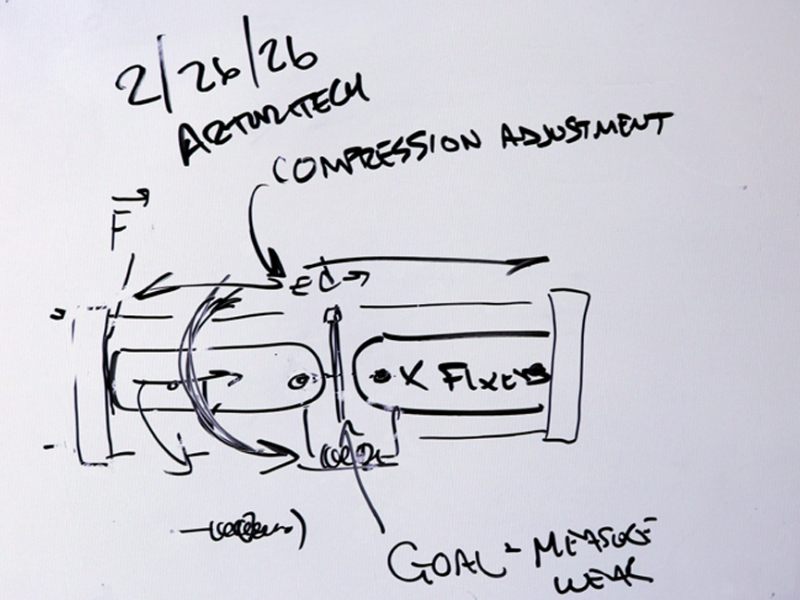
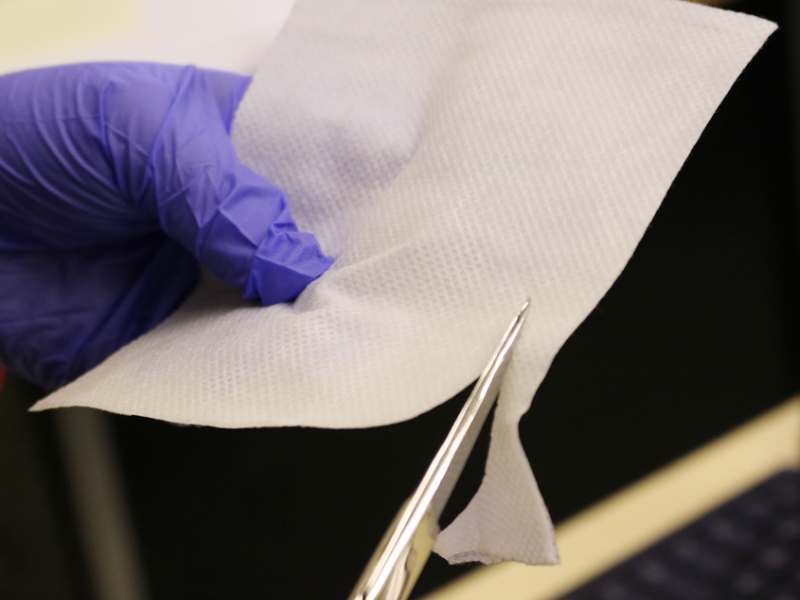
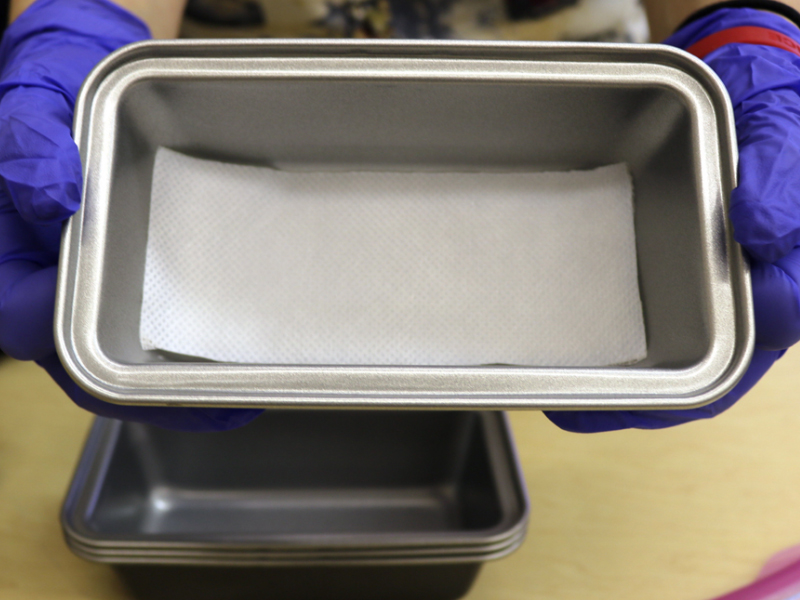
ArthriTech: Image 00
ArthriTech: Image 01
ArthriTech: Image 02
ArthriTech: Image 03
ArthriTech: Image 04
ArthriTech: Image 04
Carbon Capture Solid Amine Sorbents for CO2
Capture
ENVIRONMENTAL
RESEARCH
Donald Crump | Elijah Pinckney
The amount of carbon dioxide in the
atmosphere is reaching new highs nearly every year,(4) causing
global warming, ocean acidification, and altering weather patterns.
Ever since the industrial revolution, the state of the atmosphere
has been deteriorating at an exponential rate. Current carbon
capture methods are inefficient, expensive, and cumbersome to work
with, requiring further research and experimentation to improve the
state of the environment.
IMAGE GALLERY
Carbon Collect: Image 00
Carbon Collect: Image 01
Carbon Collect: Image 02
Carbon Collect: Image 03
Carbon Collect: Image 04
Diesel Fuel
Alternatives
Bio-Based Hydrocarbon Research and
Development
ENERGY
RESEARCH
Taylor Bortnichak | Mia Marsicano
Air pollution is responsible for many
negative environmental and health impacts across the world. The
World Health Organization states that 99% of the global population
breathes air that exceeds recommended air pollution limitations. A
major contributor to air pollution is the combustion of fossil
fuels, which is a fundamental source of energy. Therefore, continued
research is essential to develop reliable and efficient alternatives
that can effectively improve air quality.
IMAGE GALLERY
Eco-Fuel: Image 00
Eco-Fuel: Image 01
Eco-Fuel: Image 02
Eco-Fuel: Image 03
Hydrogen
Transportation & Storage
Energy Research and Development
ENERGY
RESEARCH
Joe Ennis | Mel Kleback | Dennis
Roginskiy
Current energy production methods are efficient but highly
pollutant, causing long term problems that, if not solved now, will
greatly harm our future. In 2023, diesel created roughly 31% of all
CO2 emissions, which if replaced, could prevent approximately 1.3
million premature deaths. Prior research has been done with the goal
of replacing the diesel power sources of consumers, such as heavy
machinery, with other sources, however their inefficiency prevents
them from becoming widely adopted.
IMAGE GALLERY
Hy-Tech: Image 00
Hy-Tech: Image 01
Hy-Tech: Image 02
Hy-Tech: Image 03
Hy-Tech: Image 04
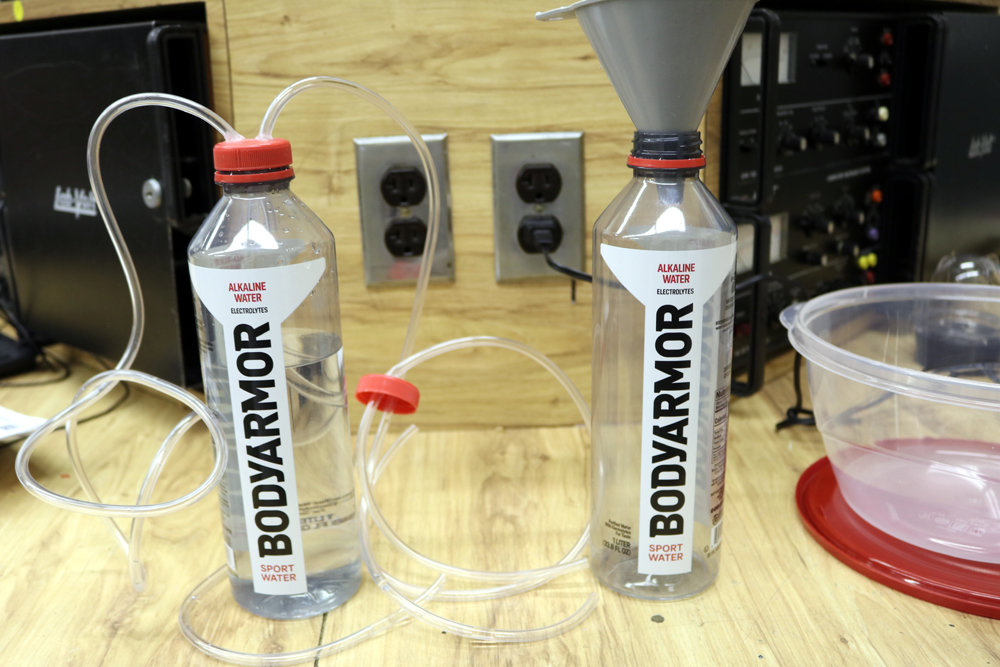
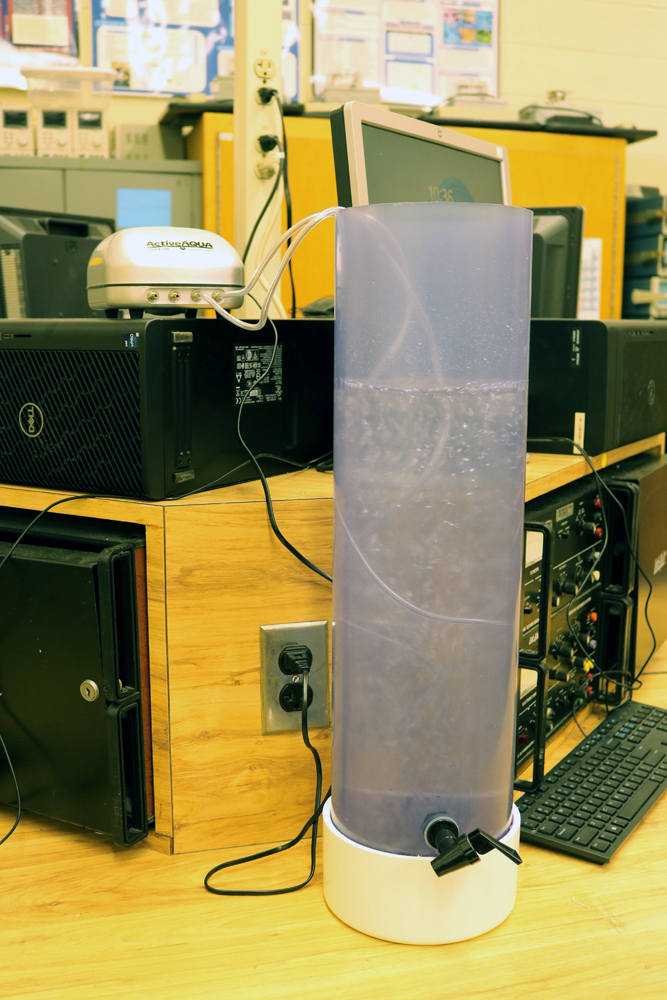
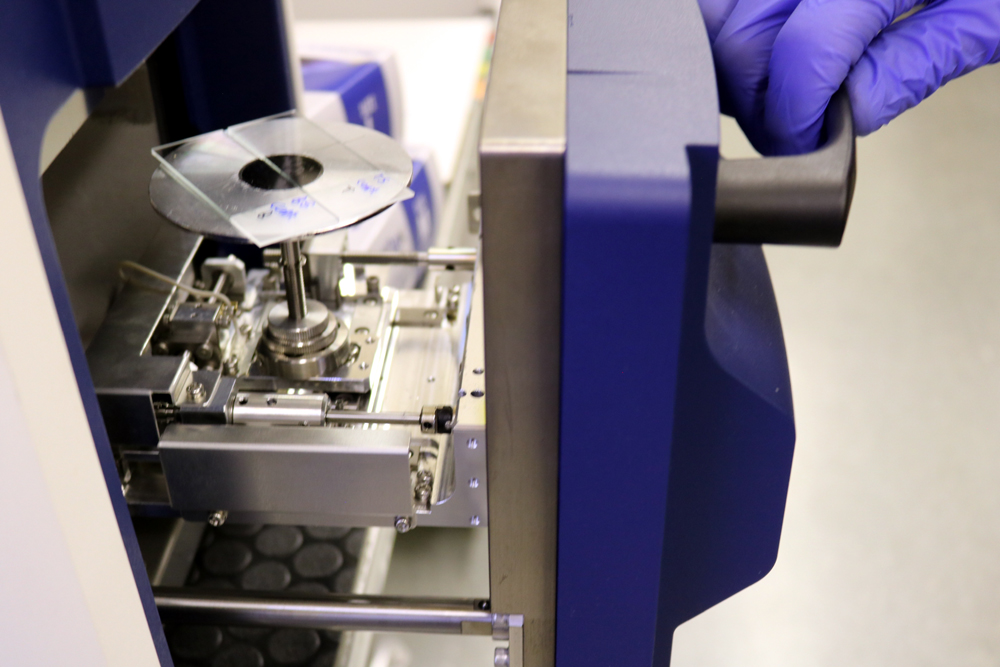
PFAS Detection &
Removal
Environmental Research and Development
ENVIRONMENTAL
RESEARCH
Paige Kawano | Ryan Nevard
A
group of synthetic chemicals known as polyfluoroalkyl substances
(PFAS), often referred to as "forever chemicals", are found in many
products such as: non-stick pans, stain resistant carpet and fire
fighting foam. Consequently, it has been discovered that measurable
levels of PFAS have been detected in approximately 99% of the
population's bloodstreams and have been linked to increased risks of
cancer, reproductive harm, and weakened immune systems. Moreover,
these chemicals often take hundreds or thousands of years to break
down in the environment. Further methods need to be developed to
remove PFAS from the environment.
IMAGE GALLERY
PFASt Fetch: Image 00
PFASt Fetch: Image 01
PFASt Fetch: Image 02
PFASt Fetch: Image 03
PFASt Fetch: Image 00
PFASt Fetch: Image 00
PFASt Fetch: Image 00
PFASt Fetch: Image 00
Piezoelectric Energy
Harvesting
Materials Science and
Engineering Research and Development
MATERIALS
SCIENCE
RESEARCH
Farhan Rafi | Nathan Seligman | Jawad
Shaikh
Recently, researchers have been
experimenting with turning mechanical strain into electrical energy.
However, the current materials produce low power and only achieve
20-40% efficiency. Additionally, the high cost and
difficulties of using materials that are compatible with
piezoelectricity prevents widespread implementation and utilization.
As a result, the current piezoelectric materials are known to be
applicable for only low power electronics. Further research is
needed to develop more efficient and affordable materials to make
them applicable for high power applications.
IMAGE GALLERY
Piezo Powerhouse: Image 00
Piezo Powerhouse: Image 01
Piezo Powerhouse: Image 02
Piezo Powerhouse: Image 03
Piezo Powerhouse: Image 04
Piezo Powerhouse: Image 04
Piezo Powerhouse: Image 04
Piezo Powerhouse: Image 04
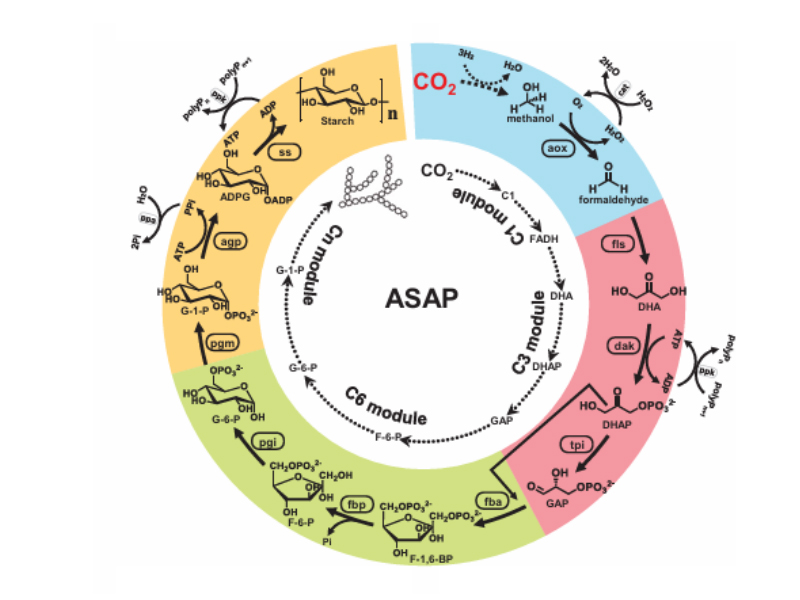
Synthetic Biology Chemoenzymatic Starch Synthesis from
CO2
BIOENGINEERING
Mingzhun An | SM Salim
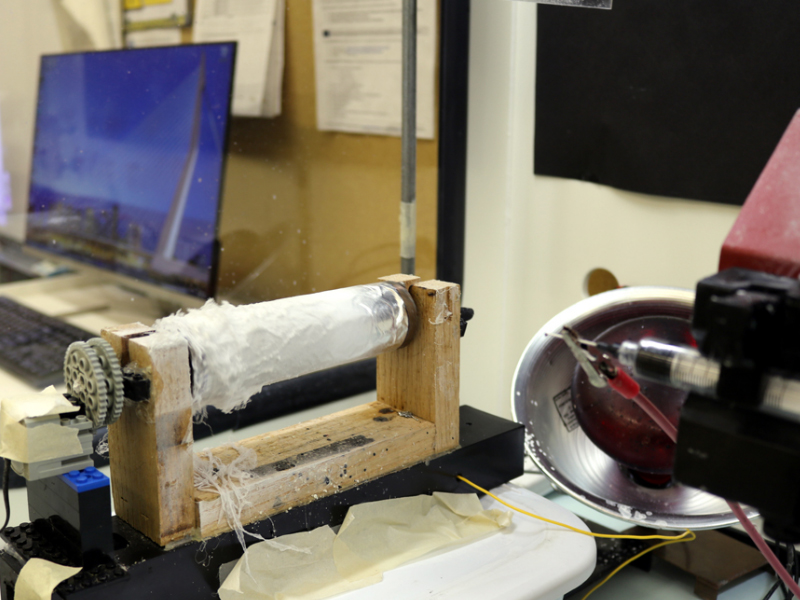
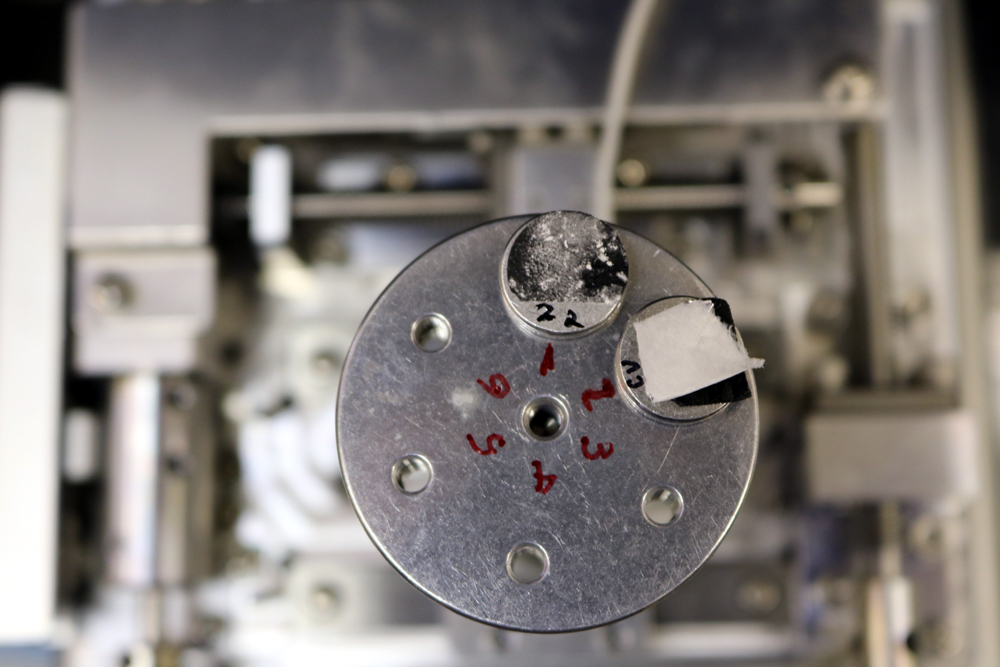
Many industries release massive amounts
of CO2 into the atmosphere, accelerating climate change as global
demand for food and materials continues to rise. Traditional
agriculture cannot scale any further without consuming more land,
water, and energy which increases environmental pressures. As carbon
emissions grow and natural resources become strained, companies face
mounting risks across production, supply chains, and sustainability
compliance. Without new low-carbon solutions, industries will
struggle to meet global needs without worsening the environment.
Companies therefore urgently require sustainable methods to reduce
emissions while still producing essential resources.
IMAGE GALLERY
AtmosHarvest: Image 00
AtmosHarvest: Image 01
AtmosHarvest: Image 02
Thermal Energy Harvesting
Materials Science and Engineering
Research and Development
MATERIALS
SCIENCE
RESEARCH
Max Brodsky |
Natalie Dunman | Charlie Hawthorne | Cameron Higgins
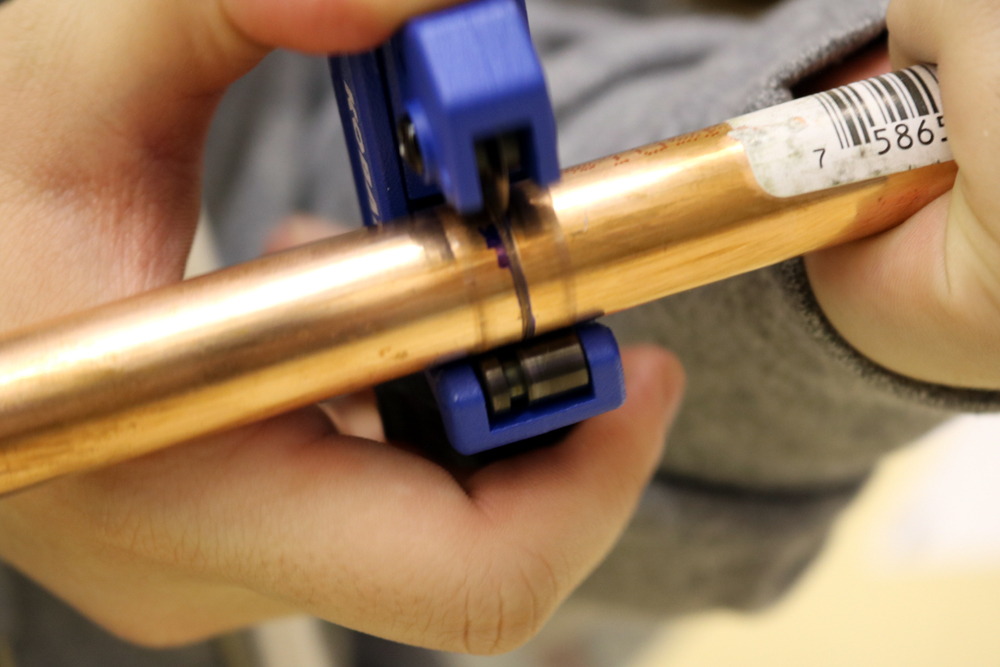
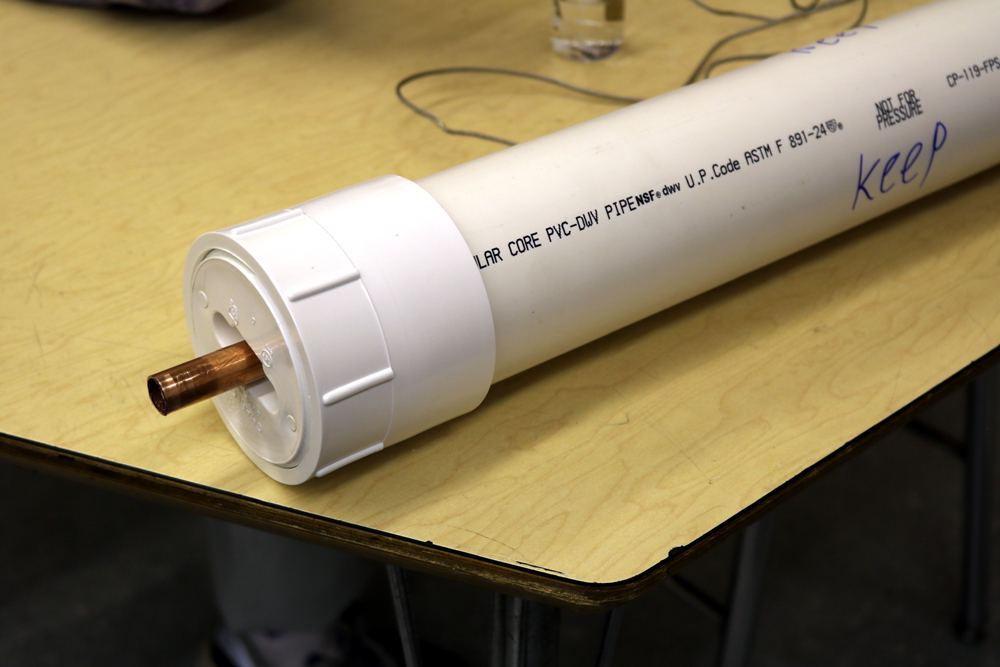
Global energy consumption amounts to
nearly 634 million terajoules annually, which is utilized to power
cars, industrial equipment, and various other technologies.
Unfortunately, many devices possess flaws that reduce their
efficiency, resulting in the waste of 20-50% of the energy they
consume as purposeless heat. Current methods of thermal recycling
face issues with conversion efficiency, implementation, and
financial practicality. Heat that is not repurposed damages the
environment, increases energy costs for consumers and businesses,
and accelerates the material degradation of the instruments
producing it. Further research towards recycling heat waste is
necessary to solve these problems and to make the most of the
world’s available energy.
IMAGE GALLERY
Heats Inc.: Image 00
Heats Inc.: Image 01
Heats Inc.: Image 02
Heats Inc.: Image 03
Heats Inc.: Image 04
Photovoltaic Energy
Harvesting [UV / IR] Materials Science and
Engineering Research and Development
MATERIALS
SCIENCE REARCH
Aidan Behrle |
Deblina Kundu | Nolan Lentz
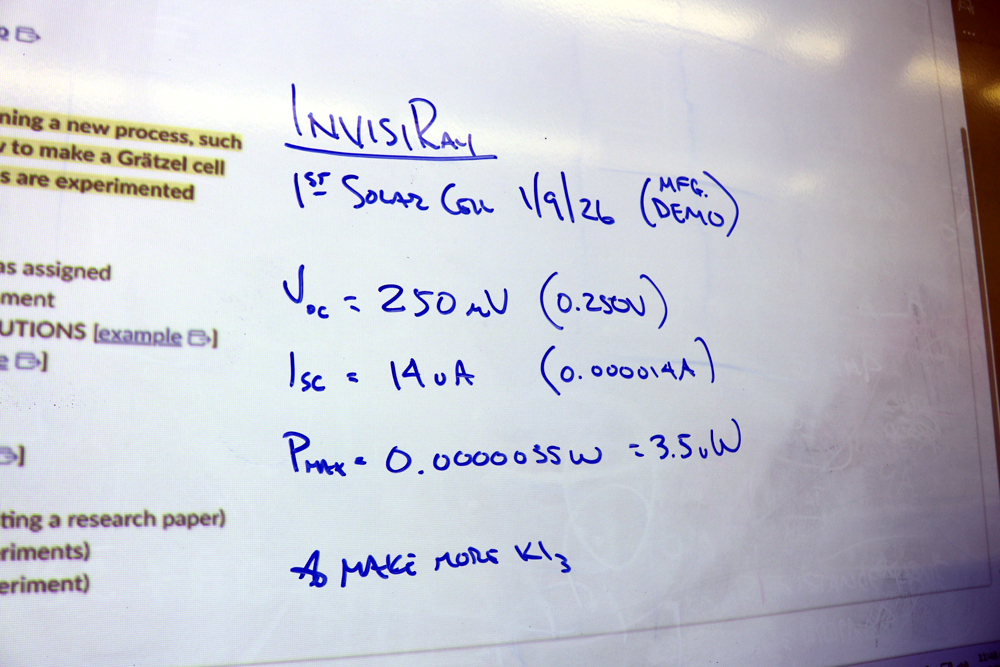
Energy harvesting
methods such as solar, wind, and hydropower are known to reduce
greenhouse gas emissions and pollution; however, their conversion
efficiency and costly materials prompt individuals and entities to
rely on fossil fuels for cheaper and more convenient energy. Fossil
fuels release greenhouse gases that deteriorate the Earth's climate
system. Current alternative energy methodologies, such as solar
power, are less productive as its efficiency drops about 0.38 % pee
degree C increase. Moreover, their aesthetics and bulky
stature make it unappealing to use for energy generation4.
Additionally, piezoelectric power from rain and wind generates only
small voltage pulses, making sensors unreliable for large-scale
energy needs. As a result, existing renewable solutions struggle to
compete with fossil fuels despite their clear environmental
benefits.
IMAGE GALLERY
InvisiRay: Image 00
InvisiRay: Image 01
InvisiRay: Image 02
InvisiRay: Image 03
InvisiRay: Image 04
InvisiRay: Image 04
InvisiRay: Image 04
InvisiRay: Image 04
InvisiRay: Image 04
InvisiRay: Image 04
InvisiRay: Image 04
InvisiRay: Image 04
InvisiRay: Image 04
InvisiRay: Image 04
InvisiRay: Image 04
InvisiRay: Image 04
InvisiRay: Image 04
InvisiRay: Image 04
InvisiRay: Image 04
Biodegradeable Polymers Bioengineered Polymers From Microorganisms
BIOENGINEERING
Youssef Ghorbal |
Logan Krider | Sam Shafer
Single-use plastic packaging makes up about 40% of all plastic
produced. This includes bottles, bags, and containers that, at best,
will get used for a few hours before becoming trash. Of all
discarded plastic, 12% has been incinerated, only 9% has been
recycled, and the remainder has either been disposed of in landfills
or released into the environment. About 370 million tonnes of
non-biodegradable plastics are polluting the earth today.
Researchers have tried to make an alternative to common petroleum
based plastics, however, current solutions like PLA, PCL, and PBS
are brittle, have low melting points, and are hard to manufacture
causing them to fall behind common petroleum based plastics.
IMAGE GALLERY
SyloGreen: Image 00
SyloGreen: Image 01
SyloGreen: Image 02
SyloGreen: Image 03
SyloGreen: Image 04
SyloGreen: Image 04
SyloGreen: Image 04
SyloGreen: Image 04
SyloGreen: Image 04
SyloGreen: Image 04
SyloGreen: Image 04
SyloGreen: Image 04
SyloGreen: Image 04
SyloGreen: Image 04
SyloGreen: Image 04
SyloGreen: Image 04
SyloGreen: Image 04
Thermal Radiation
Detection & Camouflage
Spectral Band Research and Development
MATERIALS
SCIENCE
RESEARCH
Shayla Ramic |
Nick Sigler
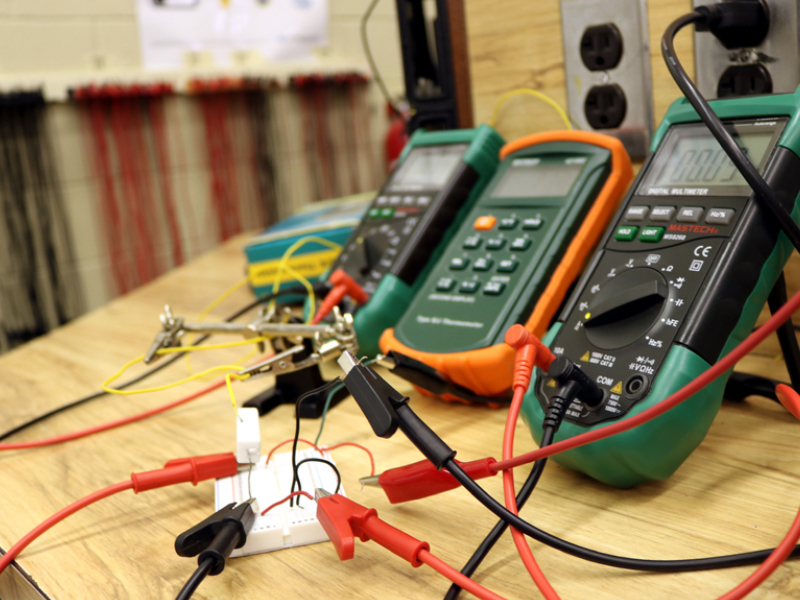
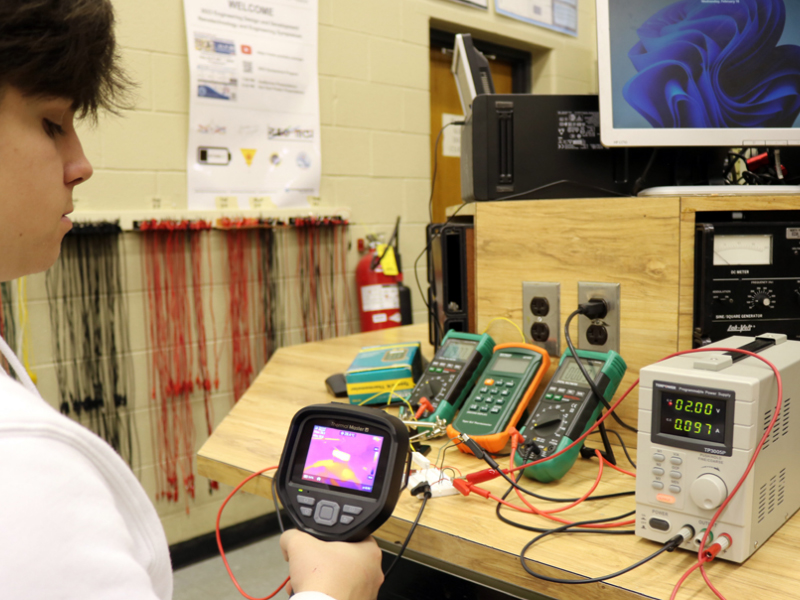
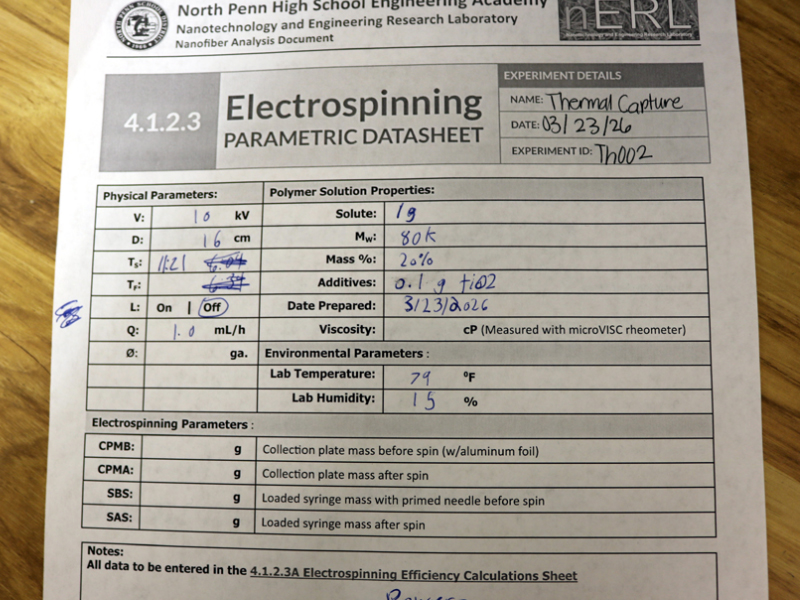
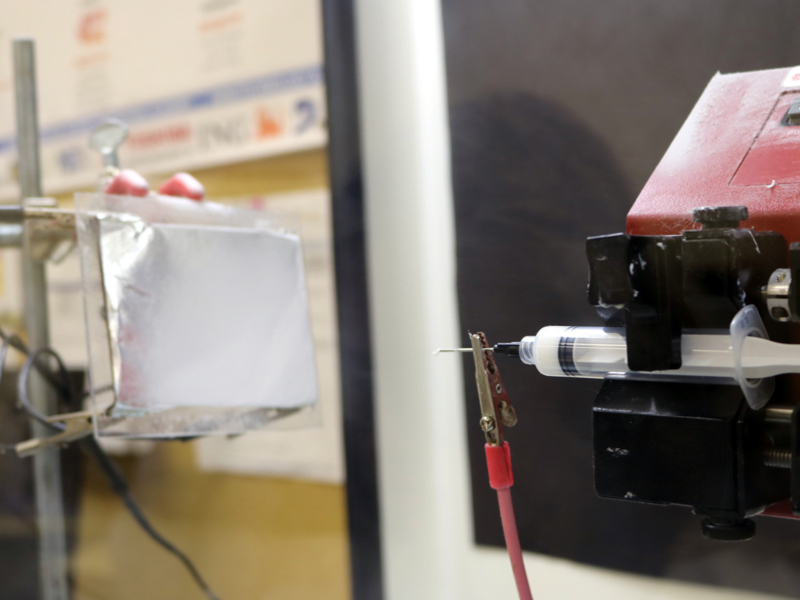
In 2023, the First Person View (F.P.V.)
Drones were being introduced. Soldiers and weapons were now
being seen by adversaries creating the new threat to thermal
imaging. This has led to the creation of anti-thermal materials to
prevent detection. However these materials have shown to be
ineffective. Anti-thermal gear depends highly on the surrounding
area; and when soldiers are constantly moving it is difficult to
maintain invisibility. It has been reported that many nations
have been using anti-thermal materials but they leave cold spots on
thermal cameras rather than blending the temperature gradients into
the surrounding area.
IMAGE GALLERY
Thermal Capture: Image 00
Thermal Capture: Image 01
Thermal Capture: Image 02
Thermal Capture: Image 03
Thermal Capture: Image 04
Thermal Capture: Image 04
2020 Virtual Symposium Video
COMING SOON!
More Past Research Team Endeavors To Come
Soon!
North Penn High
School Engineering Academy | 1340 S. Valley Forge Road
| Lansdale, Pa 19446 | 215.368.9800






















.jpg)



.jpg)